Dog sleeping in orthopedic bed

Benefits of an orthopedic dog bed for a dog’s overall health?

The Ultimate Guide to Orthopedic Dog Beds: The Benefits of an orthopedic dog bed

What is an orthopedic dog bed?

An orthopedic dog bed is a type of bed specifically designed to provide support and comfort for dogs with joint pain, arthritis, or other orthopedic issues. These beds are made of specialized foam and are designed to distribute a dog’s weight evenly, reducing pressure on their joints.

The three most important pieces of information about orthopedic dog beds are:

Orthopedic dog beds are designed to provide support and comfort for dogs with joint pain, arthritis, or other orthopedic issues.
These beds are made of specialized foam and are designed to distribute a dog’s weight evenly, reducing pressure on their joints.
Orthopedic dog beds can help prevent and alleviate pain and discomfort in dogs, improving their overall quality of life.

What are the benefits of using an orthopedic dog bed?

Using an orthopedic dog bed can have numerous benefits for a dog’s overall health and well-being.
The three most important benefits of using an orthopedic dog bed are:

Improved joint health and reduced pain: Orthopedic dog beds provide support and cushioning for a dog’s joints, reducing pressure on them and helping to alleviate pain and discomfort associated with arthritis and other orthopedic issues.

Better sleep quality: The specialized foam used in orthopedic dog beds provides better support and comfort for dogs, which can lead to improved sleep quality and overall restfulness.
Reduced risk of injury: Orthopedic dog beds can help reduce the risk of injury in dogs by providing a stable and supportive surface for them to rest on, especially for dogs with mobility issues.

What should I consider when choosing an orthopedic dog bed?

When choosing an orthopedic dog bed, there are several factors to consider to ensure that you get the right bed for your dog’s needs.
The three most important factors to consider when choosing an orthopedic dog bed are:

Size: It is important to choose a bed that is the right size for your dog, with enough space for them to stretch out comfortably.

Quality of materials: Look for a bed made with high-quality materials, such as memory foam, that will provide the necessary support and comfort for your dog’s joints.

Durability: Consider the durability of the bed, especially if your dog is a heavy chewer or digger, and look for one with a sturdy and well-made cover that can withstand wear and tear.

What are some common types of orthopedic dog beds?

There are several common types of orthopedic dog beds available on the market, each with its own unique features and benefits.

The three most common types of orthopedic dog beds are:

Memory foam dog beds: These beds are made with high-density memory foam that conforms to a dog’s shape, providing customized support and comfort for their joints.
Elevated dog beds: These beds have a raised platform that provides a stable and supportive surface for dogs to rest on, reducing pressure on their joints and helping to keep them cool in warm weather.
Bolster dog beds: These beds have raised sides that provide a sense of security and comfort for dogs, as well as extra cushioning and support for their joints.

What are some additional features to look for in an orthopedic dog bed?

There are several additional features to look for when choosing an orthopedic dog bed, depending on your dog’s specific needs and preferences.

The three most important benefits of using an orthopedic dog bed for dogs with joint problems are:

  1. Reduced pressure on joints: Orthopedic dog beds are designed to distribute weight evenly and reduce pressure on joints, which can help alleviate pain and discomfort.
  2. Improved sleep quality: Dogs with joint problems may have trouble getting comfortable and staying asleep throughout the night. An orthopedic dog bed can provide a comfortable and supportive surface for them to rest on, resulting in better sleep quality.
  3. Increased mobility: By reducing joint pain and discomfort, an orthopedic dog bed can help improve a dog’s mobility and make it easier for them to move around and enjoy their daily activities.

What are some additional features to look for in an orthopedic dog bed?

There are several additional features to look for when choosing an orthopedic dog bed, depending on your dog’s specific needs and preferences.
The three most important additional features to consider are:

Waterproof or water-resistant covers: These are especially important if your dog is prone to accidents or if you live in a rainy climate, as they can help protect the bed from moisture and prevent mould and mildew growth.

Non-slip bottom: A non-slip bottom can help keep the bed in place, especially if your dog likes to move around a lot while sleeping.
Removable and machine-washable cover: This feature can make it easier to keep the bed clean and fresh-smelling, as you can simply remove and wash the cover as needed.

How can an orthopedic dog bed help senior dogs?

Senior dogs can benefit greatly from using an orthopedic dog bed, as they are more prone to joint pain and other orthopedic issues.
The three most important ways that an orthopedic dog bed can help senior dogs are:

Improved mobility: By providing support and cushioning for a senior dog’s joints, an orthopedic dog bed can help improve their mobility and make it easier for them to get up and move around.

Pain relief: Senior dogs are more likely to suffer from arthritis and other joint problems, which can cause chronic pain and discomfort. An orthopedic dog bed can help alleviate this pain and improve their quality of life.

Better sleep quality: As dogs age, they may experience changes in their sleep patterns and habits. Using an orthopedic dog bed can help improve their sleep quality by providing a comfortable and supportive surface for them to rest on.

What are some benefits of using an orthopedic dog bed for dogs with joint problems?

Dogs with joint problems can benefit greatly from using an orthopedic dog bed, as it can provide the necessary support and comfort they need to alleviate their pain.
The three most important benefits of using an orthopedic dog bed for dogs with joint problems are:

Reduced pressure on joints: Orthopedic dog beds are designed to distribute weight evenly and reduce pressure on joints, which can help alleviate pain and discomfort.
Improved sleep quality: Dogs with joint problems may have trouble getting comfortable and staying asleep throughout the night.

An orthopedic dog bed can provide a comfortable and supportive surface for them to rest on, resulting in better sleep quality.
Increased mobility: By reducing joint pain and discomfort, an orthopedic dog bed can help improve a dog’s mobility and make it easier for them to move around and enjoy their daily activities.

In conclusion,

An orthopedic dog bed can provide numerous benefits for dogs of all ages and sizes, particularly those with joint problems or other orthopedic issues. By providing the necessary support and comfort, an orthopedic dog bed can help alleviate pain, improve sleep quality, and increase mobility.

When choosing an orthopedic dog bed, it’s important to consider additional features such as waterproof covers, non-slip bottoms, and machine-washable covers, depending on your dog’s specific needs and preferences. Overall, investing in an orthopedic dog bed can greatly improve your dog’s overall health and well-being, and help them live a happier and more comfortable life.

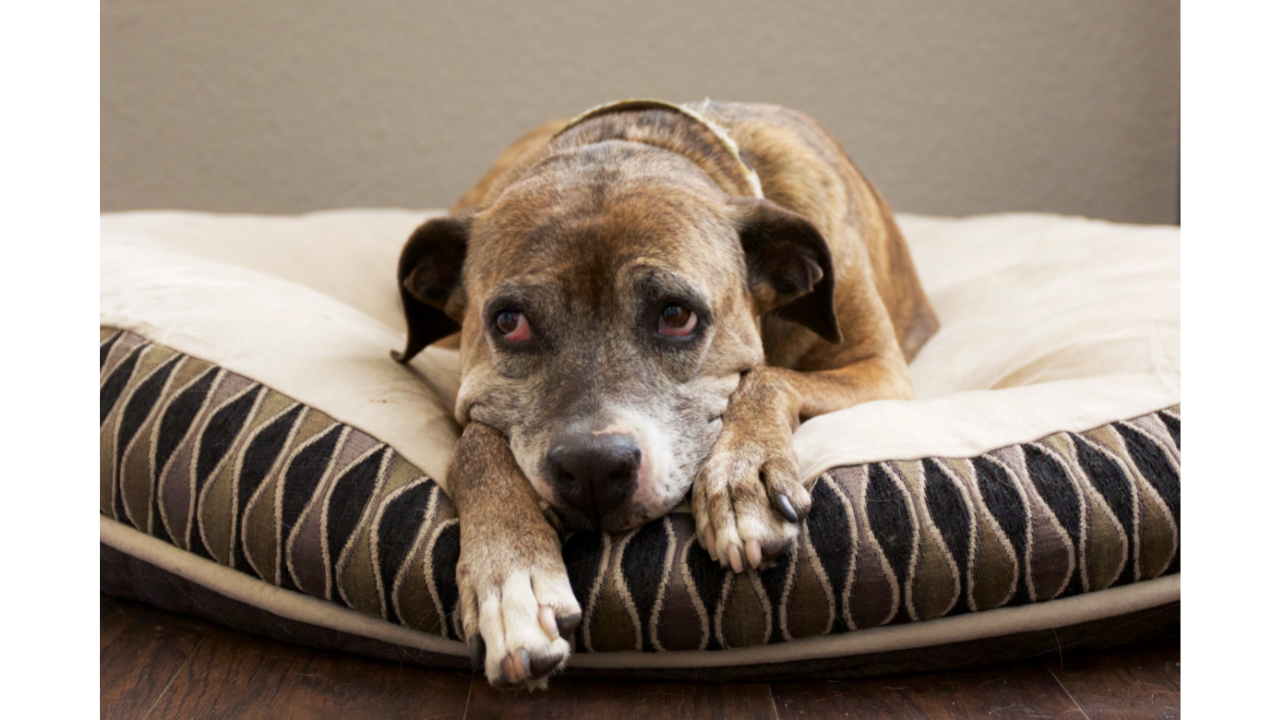
sad dog laying on dog bed

Do stress relief dog beds work?

Stressed-Out Pup? Find Out If Stress Relief Dog Beds Really Work!

Do stress relief dog beds work?

Stress relief dog beds have become popular in recent years as pet owners look for ways to help their furry friends feel more relaxed and comfortable. But do these beds actually work? In this blog post, we’ll explore the effectiveness of stress relief dog beds, their potential benefits, and any drawbacks that you should be aware of. By the end, you’ll have a better understanding of whether these beds are worth investing in for your canine companion.

What are stress relief dog beds?

Stress relief dog beds are specially designed beds that provide a comfortable and supportive sleeping surface for your dog. These beds are made from high-quality materials such as memory foam, orthopedic foam, and cooling gel foam, which offer a wide range of benefits for your furry friend.

How do stress relief dog beds work?

Stress relief dog beds work by providing your pet with a comfortable and supportive sleeping surface that helps to relieve pressure on their joints and muscles. The high-quality foam used in these beds moulds to your dog’s body, providing them with a customized sleeping experience that helps to reduce stress and anxiety.

What are the benefits of stress relief dog beds?

There are many benefits to investing in a stress relief dog bed for your furry friend. Some of the most notable benefits include:

  1. Improved sleep quality: Stress relief dog beds provide a comfortable and supportive sleeping surface that helps to improve the quality of your pet’s sleep. This can lead to improved overall health and wellbeing.
  2. Reduced stress and anxiety: The comfortable and supportive surface of a stress relief dog bed can help to reduce stress and anxiety in your pet. This is particularly beneficial for dogs that suffer from separation anxiety or other types of anxiety disorders.
  3. Relief from joint pain: Stress relief dog beds are designed to provide support for your dog’s joints, which can help to relieve pain and discomfort associated with conditions such as arthritis.
  4. Better posture: The high-quality foam used in stress relief dog beds helps to promote better posture in your pet. This can lead to improved mobility and overall health.
  5. Easy to clean: Most stress relief dog beds are easy to clean and maintain, which can save you time and effort when it comes to keeping your pet’s sleeping area clean and hygienic.

Are stress relief dog beds worth the investment?

If you want to provide your furry friend with a comfortable and supportive sleeping surface that can help to improve their overall health and wellbeing, then investing in a stress relief dog bed is definitely worth considering. While these beds may be more expensive than traditional dog beds, the benefits they offer are well worth the investment.

When choosing a stress relief dog bed, it’s important to consider factors such as the size and weight of your pet, as well as their specific needs and preferences. Look for beds that are made from high-quality materials and that offer the right level of support for your pet’s joints and muscles.

Conclusion


Stress relief dog beds are a great investment for pet owners who want to provide their furry friends with a comfortable and supportive sleeping surface that can help to improve their overall health and wellbeing. These beds offer a wide range of benefits, including improved sleep quality, reduced stress and anxiety, relief from joint pain, better posture, and easy maintenance.

If you are considering investing in a stress relief dog bed for your pet, be sure to do your research and choose a bed that is made from high-quality materials and that offers the right level of support for your pet’s specific needs and preferences.

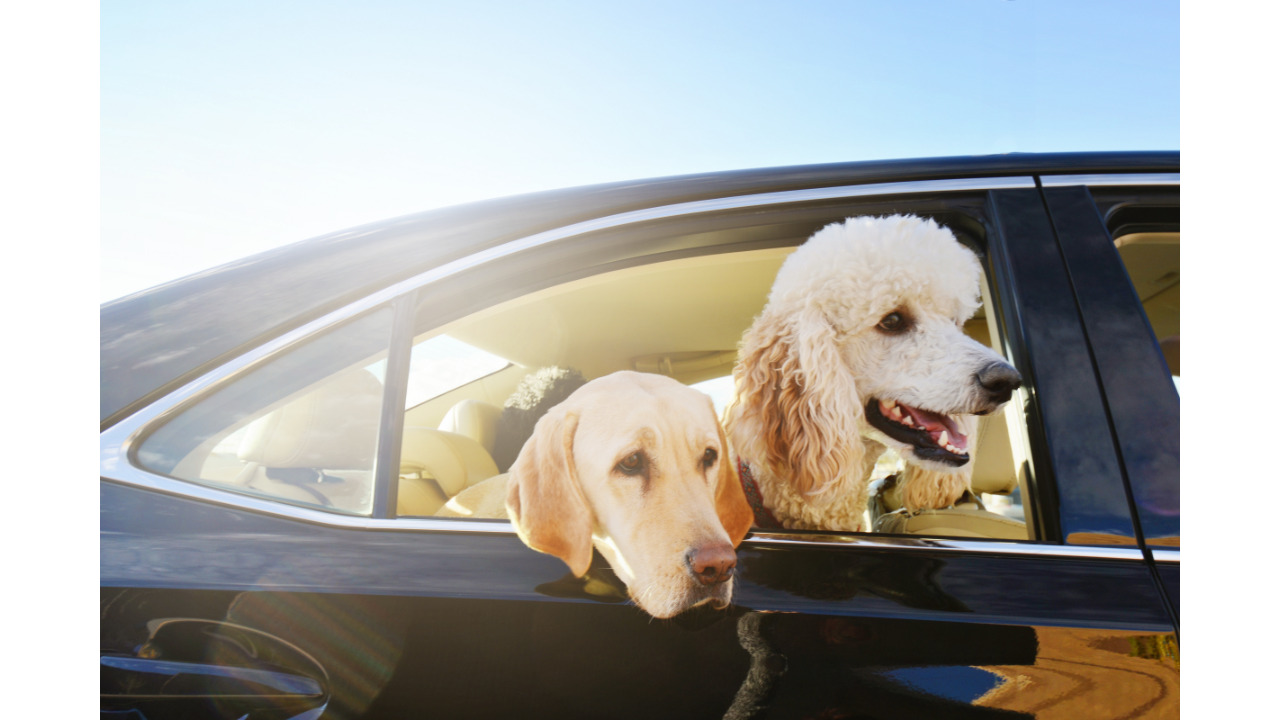
two dogs travelling in a car with heads out of the car window

Best Travel Dog Beds for Maximum Comfort and Portability

Best travel pet bed
best travel pet bed

On the Go? The Best Travel Dog Beds for Comfort and Convenience!

Traveling with your furry friend can be a lot of fun, but it also requires proper planning to ensure their comfort and safety during the trip. One essential item you should consider is a travel dog bed. This compact and portable bed provides your pet with a comfortable sleeping area no matter where your adventures take you. In this article, we will discuss the benefits of using a travel dog bed and what features to look for when choosing one.

Benefits of a Travel Dog Bed

A travel dog bed offers several benefits for both you and your furry companion. Firstly, it provides a familiar sleeping area for your pet, which can reduce their anxiety and help them relax during the trip. Additionally, it can protect them from sleeping on dirty or uncomfortable surfaces, which can lead to health issues such as joint pain, skin irritation, and infections.

Another benefit of a travel dog bed is that it is compact and lightweight, making it easy to carry with you on the go. You can use it in a variety of settings, including hotels, camping trips, road trips, and even at home. Plus, it can serve as a safe and comfortable space for your pet during long layovers or flights.

No products found.

Features to Look for in a Travel Dog Bed

When choosing a travel dog bed, there are several features you should consider to ensure your pet’s comfort and safety. Here are some of the most important ones:

  1. Size and weight: The bed should be lightweight and easy to carry, and it should fit comfortably in your vehicle or luggage. Make sure to choose a size that accommodates your dog’s weight and size.
  2. Durability: A travel dog bed should be made of durable materials that can withstand frequent use and rough handling.
  3. Comfort: Look for a bed that offers good cushioning and support for your dog’s joints and muscles. Memory foam or orthopedic beds are great options for dogs with arthritis or joint pain.
  4. Portability: A good travel dog bed should be easy to set up and pack away. Look for models that fold or roll up for easy storage.
  5. Washability: A travel dog bed can get dirty quickly, so choose one that is easy to clean and machine washable.
  6. Safety: Look for a bed with non-slip bottom to prevent sliding or slipping on slick surfaces, and choose materials that are non-toxic and safe for your pet to sleep on.

No products found.

What to Consider When Choosing a Travel Dog Bed

Size and Fit

The size of your travel bed matters just as much as comfort. A bed that fits well ensures paws don’t hang over the edge or sink in too much. Measure your dog from nose to tail and check height when sleeping. Is your pet a small Chihuahua or a large Labrador? Pick a bed that offers enough space without being bulky.

Portability and Weight

When on the move, every ounce counts. Look for lightweight models that fold or roll up easily. Features like carry handles or shoulder straps make transportation smoother. Compact foldability ensures your dog’s bed fits into car trunks or backpacks without fuss.

Material and Durability

Travel beds face a lot—mud, water, dog claws, and rough handling. Durable fabrics matter here. Waterproof or water-resistant covers protect against spills and accidents. Tear-resistant surfaces keep the bed lasting longer. Breathable mesh panels are great for airflow, preventing your dog from overheating.

Ease of Cleaning

Traveling involves messes. Choose beds that are washable or have removable covers. Machine-friendly options save time and effort. Regular cleaning means your pet’s sleeping spot stays fresh and hygienic. During trips, quick spot cleaning with wipes can keep the bed inviting.

Safety and Non-slip Features

Safety is a top priority. Beds should have non-slip bottoms to keep them steady on slippery surfaces. Secure fastenings or straps prevent shifting during rest. Always check for safety standards or labels confirming the materials are pet-safe.

Top Features of the Best Travel Dog Beds

Waterproof and Water-Resistant Fabrics

Waterproof fabrics are game-changers. They prevent pee accidents from leaking through and resist dirt. For outdoor trips, water resistance helps the bed last longer and stay cleaner.

Foldable and Compact Design

A foldable bed is perfect for packing. It makes storage hassle-free and fits snugly in suitcases or backpacks. Many models fold into small pouches, making travel quick and easy.

Elevated vs. Ground-Level Designs

Do you prefer beds that lift your dog off the ground or ones sitting flat? Elevated beds offer better airflow, keep your dog cooler, and provide insulation from cold floors. Ground-level beds are lighter, simple, and ideal for indoor trips or camping.

Built-in Cushioning and Support

A comfy bed supports your dog’s joints and muscles. Memory foam or foam-encased beds offer extra support. Ergonomic designs help reduce aches during long trips, especially for older or larger dogs.

Storage Pockets and Accessories

Some beds come with pockets for toys, water bottles, or treats. These add convenience and keep essentials close. Plus, they prevent messes and make packing simpler.

Recommended Travel Dog Beds by Category

Best Overall Travel Dog Bed

Look for a model with waterproof fabric, lightweight frame, and easy packability. One top pick is the Kurgo Wander Travel Bed—it folds, is water-resistant, and has side pockets. It’s versatile for on-the-go adventures. It’s a blend of comfort and ruggedness, making it perfect for most dogs.

Best Budget-Friendly Travel Dog Bed

Affordable doesn’t have to mean low quality. The MidWest and Jaspuriea offers great comfort for a low price. It’s washable, lightweight, and compact. Perfect if you travel often but want to save some cash.

No products found.

No products found.

Best Luxury/High-End Travel Dog Bed

For those willing to spend a bit more, the K&H Pet Products Travel Bed features premium foam, insulation, and stylish design. It’s designed for luxury pet owners and can double as indoor or outdoor resting spot. These beds often have extra features like heat-reflective materials.

Best for Small Dogs

If space is limited, look for a small, lightweight bed like the GoFirst Dog Car Seat for Small Dogs or Cats, Pet Booster Seat Travel Car Bed with Storage Pocket and Clip-On Safety Leash, Waterproof Warm Plush Dog Car Safety Seats

No products found.

Best for Large Dogs

Big dogs need extra support and size. The GL GLENSLAVE Dog Car Seat – Comfortable Dog Bed Pet Booster for Back Seat, Fully Detachable & Washable Travel Seat with Thick Cushion.

No products found.

Expert Tips for Maintaining Your Travel Dog Bed

  • Regularly clean fabric with mild soap or wipes.
  • Protect the bed with waterproof covers for outdoor trips.
  • Check for signs of wear; replace if torn or worn.
  • Store the bed in a dry place between travels.
  • Use a portable blanket for added comfort and cleanliness.

Conclusion

A travel dog bed is an essential item for any pet owner who loves to travel with their furry companion. It provides a comfortable and safe sleeping area for your pet, reduces their anxiety, and protects them from dirty or uncomfortable surfaces. When choosing a travel dog bed, make sure to consider important features such as size, durability, comfort, portability, washability, and safety. With the right travel dog bed, you can enjoy your adventures with your pet without worrying about their comfort or safety.

Don't do it sign

How do you wash a dog bed that is not machine washable?

Wash Your Dog’s Bed Even When It’s Not Machine Washable!

How do you wash a dog bed that is not machine washable? Washing a dog bed that is not machine washable can be a bit challenging, but it is necessary to keep your furry friend’s bed clean and free of dirt, dust, and bacteria. Regular cleaning of your dog’s bed can help prevent odour and ensure your dog’s good health. In this article, we will discuss various methods and products that can be used to clean a dog bed that is not machine washable.

Method 1: Hand Wash

Hand washing is the most popular and easiest way to clean a dog bed that is not machine washable. The process is straightforward, and you can use household items to do it. Here are the steps to follow:

Step 1: Remove Loose Dirt and Hair

The first step is to remove any loose dirt and hair from the bed. You can use a brush, vacuum cleaner, or lint roller to remove the dirt and hair. Make sure to remove as much dirt and hair as possible before proceeding to the next step.

Before you begin the cleaning process, it’s essential to remove any loose dirt and hair from your dog’s bed. This step will make the cleaning process more effective and prevent dirt and hair from getting stuck in the washing machine or clogging up the drain.

You can remove loose dirt and hair using a vacuum cleaner, a lint roller, or a brush. Here are some tips for each method:

  1. Vacuum Cleaner

Using a vacuum cleaner with a handheld attachment is an effective way to remove loose dirt and hair from your dog’s bed. Here’s how to do it:

  • Start by removing any large clumps of dirt or hair by hand.
  • Use the vacuum cleaner to suck up any remaining dirt and hair from the surface of the bed. Pay special attention to seams and crevices where dirt and hair can get trapped.
  • If your vacuum cleaner has a brush attachment, use it to loosen any dirt and hair that’s stuck in the fabric.
  • Empty the vacuum cleaner’s canister or change the bag to prevent any dirt or hair from escaping.
  1. Lint Roller

If your dog’s bed is covered in hair but doesn’t have much loose dirt, a lint roller can be a quick and easy way to remove it. Here’s how to use a lint roller:

  • Start by removing any large clumps of hair by hand.
  • Use the lint roller to roll over the surface of the bed, picking up any remaining hair. Press firmly and roll in different directions to ensure you pick up all the hair.
  • If the lint roller becomes full of hair, peel off the used sheet and continue rolling until you’ve covered the entire surface of the bed.
  1. Brush

If your dog’s bed is covered in loose dirt, a brush can be an effective tool for removing it. Here’s how to use a brush:

  • Start by removing any large clumps of dirt by hand.
  • Use a stiff-bristled brush to brush the surface of the bed, loosening any dirt that’s stuck in the fabric.
  • If the bed has any seams or crevices, use a soft-bristled brush to remove any dirt that’s trapped.
  • Once you’ve brushed the entire surface of the bed, use a vacuum cleaner or lint roller to pick up any loose dirt that’s been loosened by the brush.

By following these steps, you can effectively remove loose dirt and hair from your dog’s bed before beginning the cleaning process. This will help to make the cleaning process more effective and prevent any dirt or hair from getting stuck in your washing machine or clogging up your drain.

Step 2: Soak the Bed in Water

Fill a large tub or sink with warm water and add a gentle detergent. Avoid using bleach or other harsh chemicals that can damage the fabric or irritate your dog’s skin. Soak the bed in the water for 10 to 15 minutes, depending on how dirty it is.

Step 3: Scrub the Bed

After soaking the bed, use a soft-bristled brush or sponge to scrub the bed gently. Pay special attention to areas that are heavily soiled or stained. You can also use a toothbrush to clean hard-to-reach areas.

Step 4: Rinse the Bed

Once you have finished scrubbing the bed, rinse it thoroughly with clean water. Make sure to remove all the soap residue to prevent skin irritation and to keep the bed smelling fresh.

Step 5: Dry the Bed

After rinsing the bed, squeeze out the excess water and hang it to dry in a well-ventilated area. Avoid drying the bed under direct sunlight or using a dryer as the heat can damage the fabric.

Method 2: Spot Clean

If your dog’s bed has small stains or spots, you can spot clean it instead of washing the entire bed. Spot cleaning is quicker and easier than hand washing, and you can do it in a few simple steps:

Spot cleaning is an important step in the process of cleaning a non-machine washable dog bed. It involves cleaning specific areas of the bed that are dirty or stained, rather than cleaning the entire bed. Spot cleaning can be done using a variety of methods, depending on the type of stain or dirt that needs to be removed.

Here are some methods for spot cleaning your dog’s bed:

  1. Baking Soda

Baking soda is an effective and natural way to remove odours from your dog’s bed. Here’s how to use baking soda for spot cleaning:

  • Sprinkle baking soda over the stained or dirty area of the bed.
  • Let the baking soda sit for at least 15 minutes to absorb the odour.
  • Use a vacuum cleaner or a lint roller to remove the baking soda and any loose dirt or hair.
  1. White Vinegar

White vinegar is another natural cleaning agent that can be used to remove stains and odors from your dog’s bed. Here’s how to use white vinegar for spot cleaning:

  • Mix one part white vinegar with one part water in a spray bottle.
  • Spray the stained or dirty area of the bed with the vinegar solution.
  • Let the solution sit for 10-15 minutes to penetrate the stain.
  • Blot the area with a clean cloth or paper towel to remove any excess moisture.
  1. Hydrogen Peroxide

Hydrogen peroxide is a powerful stain remover that can be used to remove tough stains from your dog’s bed. Here’s how to use hydrogen peroxide for spot cleaning:

  • Mix one part hydrogen peroxide with one part water in a spray bottle.
  • Spray the stained or dirty area of the bed with the solution.
  • Let the solution sit for 10-15 minutes to penetrate the stain.
  • Blot the area with a clean cloth or paper towel to remove any excess moisture.
  1. Enzymatic Cleaner

Enzymatic cleaners are specifically designed to break down and remove stains caused by urine, feces, vomit, and other bodily fluids. Here’s how to use an enzymatic cleaner for spot cleaning:

  • Apply the enzymatic cleaner to the stained area of the bed.
  • Let the cleaner sit for the amount of time specified on the label.
  • Blot the area with a clean cloth or paper towel to remove any excess moisture.

By using one of these methods for spot cleaning, you can effectively remove stains, odors, and dirt from your dog’s bed without having to wash the entire bed. It’s important to spot clean your dog’s bed regularly to maintain its cleanliness and prevent the buildup of dirt and bacteria.

Step 1: Blot the Stain

If the stain is fresh, blot it with a clean cloth or paper towel to absorb as much liquid as possible. Do not rub the stain as it can spread and make the stain worse.

Step 2: Apply a Stain Remover

Apply a stain remover or a mixture of baking soda and water to the stain. Let the solution sit for a few minutes to break down the stain.

Step 3: Scrub the Stain

After the solution has sat for a few minutes, use a soft-bristled brush or sponge to scrub the stain gently. Be careful not to damage the fabric or irritate your dog’s skin.

If you have a stubborn stain on your dog’s bed, you may need to scrub it to remove it completely. Scrubbing the stain can help to break it down and lift it from the fabric. Here’s how to scrub a stain from your dog’s bed:

  1. Apply Stain Remover

Before you begin scrubbing, apply a stain remover to the affected area. There are many pet-specific stain removers available on the market that are designed to break down and lift stains from pet bedding and fabrics. Apply the stain remover to the stain and let it sit for a few minutes to penetrate the fabric.

Applying a stain remover is an important step in removing stubborn stains from your dog’s bed. Pet-specific stain removers are formulated to break down and lift stains from pet bedding and fabrics without causing any harm to your dog or the bed. Here are the steps to apply a stain remover to your dog’s bed:

  1. Choose a Pet-Safe Stain Remover

When selecting a stain remover, it’s important to choose one that is safe for pets. Pet-specific stain removers are designed to be gentle on your dog’s skin and health, while still being effective at removing stains and odours. Look for products that are free of harsh chemicals and fragrances, and that are specifically labelled as pet-safe.

  1. Test the Stain Remover

Before applying the stain remover to your dog’s bed, it’s a good idea to test it on a small, inconspicuous area first. This will help you ensure that the product won’t damage or discolour the fabric. Apply a small amount of the stain remover to an area of the bed that is not visible, such as under a cushion or on the underside of the bed. Wait a few minutes, then rinse the area with water and blot dry. If there is no damage or discoloration, you can safely proceed with applying the stain remover to the stain.

  1. Apply the Stain Remover

Apply a generous amount of the pet-safe stain remover to the affected area of the bed. Use a cloth or a soft-bristled brush to work the stain remover into the fabric. Be sure to follow the manufacturer’s instructions on how much product to use and how long to let it sit.

  1. Let it Sit

After applying the stain remover, let it sit for the recommended amount of time. This will give the product time to penetrate the fabric and break down the stain. Be sure to keep your dog away from the bed while the stain remover is working, as some products can be harmful if ingested.

  1. Rinse the Area

Once the stain remover has had time to work, rinse the area thoroughly with water. Use a hose or a sink to rinse the area until the water runs clear and there are no suds or residue left on the fabric. Be sure to rinse the area well, as any leftover stain remover can attract dirt and cause the stain to reappear.

By following these steps, you can safely and effectively apply a pet-safe stain remover to your dog’s bed. Remember to always choose pet-safe products and to test them on a small area before applying them to the entire bed.

  1. Scrub the Stain

After the stain remover has had time to work, it’s time to start scrubbing the stain. Use a soft-bristled brush or a clean cloth to gently scrub the affected area. Be careful not to scrub too hard, as this can damage the fabric.

  1. Rinse with Water

Once you have scrubbed the stain, rinse the area with water to remove any leftover stain remover or dirt. You can use a hose or a sink to rinse the area thoroughly. Be sure to rinse the area until the water runs clear and there are no suds or residue left on the fabric.

  1. Blot the Area

After rinsing, use a clean cloth or paper towel to blot the area and remove any excess moisture. Be sure to blot gently to avoid damaging the fabric. You can also use a fan or open window to help the area dry more quickly.

By following these steps, you can effectively scrub a stubborn stain from your dog’s bed. However, it’s important to note that scrubbing should only be done as a last resort, as it can damage the fabric of the bed. In many cases, spot cleaning with a pet-specific stain remover and gentle scrubbing can be enough to remove most stains from your dog’s bed.

Step 4: Rinse the Stain

Once you have finished scrubbing the stain, rinse it thoroughly with clean water. Make sure to remove all the soap residue to prevent skin irritation and to keep the bed smelling fresh.

Step 5: Dry the Spot

After rinsing the spot, blot it with a clean cloth or paper towel to remove excess water. Hang the bed to dry in a well-ventilated area.

Best Products for Cleaning a Dog Bed

There are many products available in the market that can be used to clean a dog bed. Here are some of the best products you can use:

  1. Pet-Safe Detergent

Pet-safe detergent is specially formulated to clean pet bedding, blankets, and other fabrics. It is gentle on your dog’s skin and does not contain any harsh chemicals that can irritate your dog’s skin or cause allergies. Pet-safe detergents are usually made with natural ingredients such as plant-based enzymes and essential oils, which help to break down dirt and stains while leaving a fresh, clean scent.

Some popular pet-safe detergents include:

  • Seventh Generation Laundry Detergent
  • Puracy Natural Laundry Detergent
  • ECOS Pet Laundry Detergent
  1. Stain Remover

Stain removers are effective in removing tough stains and odors from your dog’s bed. They are designed to break down and dissolve stubborn stains caused by urine, feces, vomit, and other bodily fluids. Most stain removers are safe to use on various fabrics, including cotton, polyester, and nylon.

Some popular stain removers for pet beds include:

  • Rocco & Roxie Professional Strength Stain & Odor Eliminator
  • Nature’s Miracle Stain and Odor Remover
  • Simple Solution Extreme Stain and Odor Remover
  1. Fabric Freshener

Fabric fresheners are great for neutralizing odours and keeping your dog’s bed smelling fresh between washes. They come in a variety of scents and are safe to use on all types of fabrics.

Some popular fabric fresheners for pet beds include:

  • Febreze Fabric Refresher
  • Lysol Fabric Mist
  • Zero Odor Fabric Refresher
  1. Carpet Cleaner

If your dog’s bed is placed on a carpeted area, you may want to consider using a carpet cleaner to remove any dirt or stains that may have seeped into the carpet fibers. Carpet cleaners are designed to lift and remove dirt, stains, and odours from carpets and rugs.

Some popular carpet cleaners for pet owners include:

  • Bissell Pet Stain Eraser
  • Hoover Power Scrub Elite Pet Upright Carpet Cleaner
  • Rug Doctor Portable Spot Cleaner

Conclusion

Cleaning your dog’s bed is an important part of maintaining their good health and hygiene. While machine-washable beds are easy to clean, non-machine washable beds require a bit more effort. By following the methods and using the products outlined in this article, you can ensure that your dog’s bed is clean, fresh, and free of harmful bacteria and allergens. Remember to always use pet-safe products and avoid harsh chemicals that can irritate your dog’s skin.

Cleaning a non-machine washable dog bed may seem like a daunting task, but with the right methods and products, it can be done effectively and efficiently. By following the steps outlined above, you can ensure that your dog’s bed is clean, fresh-smelling, and free from dirt, hair, and stains.

When cleaning your dog’s bed, it’s important to use pet-safe products that won’t harm your dog’s skin or health. Pet-specific detergents and enzymatic cleaners are designed to clean pet bedding and fabrics without causing any harm to your dog. These products are also effective at removing stubborn stains and odors caused by bodily fluids.

Removing loose dirt and hair from your dog’s bed before cleaning is also an essential step. This will make the cleaning process more effective and prevent dirt and hair from getting stuck in your washing machine or clogging up your drain.

Spot cleaning is another important step in the process of cleaning a non-machine washable dog bed. This involves cleaning specific areas of the bed that are dirty or stained, rather than cleaning the entire bed. Baking soda, white vinegar, hydrogen peroxide, and enzymatic cleaners are all effective methods for spot cleaning.

In conclusion, keeping your dog’s bed clean is important for their health and well-being. A dirty bed can harbor bacteria, allergens, and pests that can harm your dog’s health. By following the methods and using the products outlined above, you can ensure that your dog’s bed is clean, fresh-smelling, and free from dirt, hair, and stains. A clean bed will also provide your dog with a comfortable and safe place to rest, which is essential for their overall happiness and well-being.

Related posts:

Why written on a piece of paer

Why the type of dog bed you choose matters to your dog

Discover the Surprising Reasons Why the Type of Dog Bed You Choose Matters to Your Furry Friend

Dogs are beloved members of many households, and as such, pet owners often prioritize their comfort and well-being. One way to do this is by providing a comfortable place for them to sleep, and a good quality dog bed is an essential item for any dog owner. However, not all dog beds are created equal, and the type of bed you choose can have a significant impact on your dog’s health and happiness. In this article, we will discuss why the type of dog bed you choose matters to your dog.

  1. Comfort

One of the most important reasons to choose a high-quality dog bed is to ensure that your furry friend is comfortable while sleeping. Dogs require a comfortable place to rest and relax, just like humans do. A good dog bed should provide ample cushioning to support your dog’s body and relieve pressure points. A bed that is too firm or too soft can cause discomfort and lead to joint pain or stiffness. A comfortable bed will help your dog to get the rest they need and keep them feeling happy and healthy.

Comfort is one of the most critical factors to consider when choosing a dog bed. A comfortable bed can provide your dog with a safe and cozy place to rest, reducing their stress and anxiety levels. The right bed should not only be soft and plush but should also provide adequate support for your dog’s body.

The comfort of a dog bed is largely determined by its materials. Beds made from memory foam, for example, are known for their ability to contour to the shape of your dog’s body, providing a supportive and comfortable surface for your pet to sleep on. Beds made from high-density foam, on the other hand, are more rigid and offer greater support to dogs with orthopedic issues.

In addition to the bed’s materials, it’s important to consider the bed’s size and shape. A bed that is too small will not provide enough space for your dog to stretch out, while a bed that is too large may make your dog feel exposed and vulnerable. Look for a bed that is appropriately sized for your dog, with enough room for them to move around and find a comfortable position.

Finally, consider the bed’s temperature regulation capabilities. Dogs are susceptible to temperature changes and may become uncomfortable if they’re too hot or too cold. Look for a bed that is designed to provide temperature regulation, such as beds with cooling gel or heating elements. These types of beds can help to keep your dog comfortable and cozy, no matter what the weather is like outside.

In summary, comfort is essential when it comes to choosing the right dog bed. Make sure you select a bed that is made from high-quality materials, appropriately sized, and provides adequate support for your dog’s body. Additionally, consider a bed’s temperature regulation capabilities to ensure that your dog is comfortable and cozy year-round.

  1. Temperature regulation

Dogs regulate their body temperature differently from humans, and as such, they require a dog bed that can help them maintain an optimal temperature. During hot weather, a bed that is too warm can cause your dog to overheat and become uncomfortable. In contrast, during cold weather, a bed that is not warm enough can lead to hypothermia. A good quality dog bed should be designed to regulate temperature, providing warmth in the winter and ventilation in the summer.

Temperature regulation is an important consideration when it comes to selecting a dog bed, particularly if you live in a climate that experiences extreme temperatures. Dogs are sensitive to changes in temperature, and an uncomfortable bed can lead to restlessness, which can affect their overall health and well-being.

There are various ways in which a dog bed can regulate temperature, including the use of materials that help to maintain a consistent temperature, such as cooling gel or memory foam. These materials can help to keep your dog cool in the summer months and warm in the winter, providing them with a comfortable sleeping environment year-round.

In addition to materials, the bed’s design can also affect temperature regulation. For example, a bed with raised sides can help to trap warmth and provide your dog with a cosy place to rest. Similarly, a bed with ventilation holes or breathable fabric can help to promote airflow, preventing your dog from overheating.

When selecting a dog bed for temperature regulation, it’s important to consider your dog’s individual needs and preferences. For example, if you have a dog that tends to overheat easily, look for a bed that is specifically designed for cooling. On the other hand, if you have a dog that is always cold, look for a bed that provides ample warmth and insulation.

Overall, temperature regulation is an important consideration when selecting a dog bed. By choosing a bed that helps to maintain a consistent temperature, you can ensure that your dog is comfortable and cosy year-round, promoting better sleep and overall health.

  1. Support

Just like humans, dogs can experience joint pain and arthritis, particularly as they age. Choosing the right type of dog bed can help to alleviate these conditions and improve your dog’s mobility. Orthopedic dog beds are designed to provide extra support for joints, and they are particularly useful for dogs that are prone to arthritis or other joint conditions. These beds are typically made from high-density foam that conforms to your dog’s body shape and provides extra cushioning where it is needed most.

Support is a crucial factor to consider when selecting a dog bed, particularly if your dog has any orthopedic issues or is elderly. A supportive bed can help to alleviate joint pain and stiffness, promoting better sleep and overall health.

When considering support, look for a bed that is made from high-quality materials, such as memory foam or high-density foam. These materials can help to distribute your dog’s weight evenly, reducing pressure on their joints and providing a comfortable sleeping surface.

The bed’s design can also affect its level of support. For example, a bed with raised sides can provide additional support for your dog’s neck and head, while a bed with a firm base can help to support your dog’s back and hips.

It’s also important to consider the size and weight of your dog when selecting a bed. Larger dogs will require more support than smaller dogs, and may benefit from a bed with thicker padding or a more substantial frame.

If your dog has any orthopedic issues, such as arthritis or hip dysplasia, it’s particularly important to choose a bed that provides adequate support. Look for a bed that is specifically designed for dogs with orthopedic issues, with features such as memory foam or raised sides that can help to alleviate pain and promote better sleep.

In summary, support is a critical factor to consider when selecting a dog bed. Look for a bed that is made from high-quality materials, appropriately sized for your dog, and designed to provide adequate support for their body. By choosing a bed that promotes good posture and distributes your dog’s weight evenly, you can help to alleviate joint pain and stiffness, promoting better sleep and overall health.

  1. Hygiene

Dogs are not known for their cleanliness, and as such, it’s essential to choose a dog bed that is easy to clean and maintain. A bed that is not hygienic can quickly become a breeding ground for bacteria and other harmful microorganisms. A good quality dog bed should be easy to clean and should have a removable, washable cover. This will help to keep your dog’s bed clean and fresh, reducing the risk of infections or other health issues.

Hygiene is an essential factor to consider when selecting a dog bed. A bed that is not cleaned regularly can lead to the buildup of bacteria, dust mites, and other allergens, which can pose a health risk to both your dog and your family. Choosing a bed that is easy to clean and maintain can help to promote better hygiene and reduce the risk of illness.

One way to promote better hygiene is to choose a bed with a removable cover that can be easily washed. Look for a bed with a cover that can be machine-washed and dried, as this will make it easy to keep the bed clean and fresh. Some covers may also be treated with antimicrobial agents, which can help to inhibit the growth of bacteria and other microorganisms.

Another option is to choose a bed with a waterproof or water-resistant liner. This can help to prevent moisture from seeping into the bed, which can lead to the growth of bacteria and mold. A waterproof liner can also make it easier to clean up any accidents or spills that may occur.

It’s important to clean your dog’s bed regularly, regardless of the type of bed you choose. This can help to prevent the buildup of dirt, hair, and other debris, which can attract bacteria and other allergens. Aim to wash your dog’s bed at least once a week, or more frequently if it becomes soiled or smelly.

In addition to cleaning the bed itself, it’s also important to regularly clean the surrounding area, including floors and carpets. This can help to prevent the buildup of allergens and bacteria, which can be transferred to the bed and potentially harm your dog.

In summary, hygiene is an important consideration when selecting a dog bed. Look for a bed that is easy to clean and maintain, with a removable cover that can be machine-washed and dried. Consider using a bed with a waterproof liner to prevent moisture buildup, and aim to clean the bed regularly to prevent the buildup of bacteria and other allergens. By promoting good hygiene practices, you can help to keep your dog healthy and happy.

  1. Durability

Dogs can be hard on their possessions, particularly if they are active or like to chew. Choosing a durable dog bed is essential to ensure that it can withstand the wear and tear of daily use. A high-quality dog bed should be made from strong, durable materials that can withstand regular use and resist damage from chewing or scratching. A durable bed will last longer, saving you money in the long run, and ensuring that your dog always has a comfortable place to rest.

Durability is an important consideration when choosing a dog bed. Dogs can be rough on their beds, and a bed that is not well-made or durable may not last very long. Choosing a bed that is designed to withstand regular use and washing can help to ensure that your dog’s bed lasts for a long time and provides good value for money.

When selecting a bed, look for one that is made from high-quality materials that are designed to withstand regular use. Materials such as heavy-duty canvas or nylon are often more durable than other fabrics, while metal frames and reinforced stitching can help to provide added strength and durability.

It’s also important to consider the quality of the bed’s construction. Look for a bed that is well-made and sturdy, with no loose threads or weak points that could become damaged over time. A bed with a solid frame and a strong, secure cover will be more durable than a cheaper bed with a flimsy frame and a thin, easily torn cover.

Regular cleaning is also important for maintaining the durability of your dog’s bed. Dirt, hair, and other debris can accumulate in the fibers of the bed, making it more prone to wear and tear over time. Aim to wash the bed cover at least once a week, or more frequently if your dog is particularly active or spends a lot of time outside.

If your dog has a tendency to chew or scratch at their bed, consider choosing a bed with a chew-resistant cover or a raised frame that is less accessible to your dog. You may also want to provide your dog with plenty of chew toys and other distractions to help redirect their attention away from their bed.

In summary, durability is an important consideration when choosing a dog bed. Look for a bed that is made from high-quality materials, with a sturdy frame and reinforced stitching. Regular cleaning and maintenance can also help to prolong the life of the bed. By choosing a durable bed, you can help to ensure that your dog has a comfortable and safe sleeping environment for years to come.

  1. Size and shape

Dogs come in all shapes and sizes, and it’s essential to choose a dog bed that is appropriate for your dog’s size and sleeping style. A bed that is too small can be uncomfortable and lead to joint pain, while a bed that is too large can be difficult for your dog to climb in and out of. Consider your dog’s sleeping style when choosing a bed, as well. Some dogs like to curl up, while others prefer to stretch out. Choosing a bed that accommodates your dog’s sleeping preferences will help them to get the rest they need.

Choosing the right size and shape of dog bed is crucial for your dog’s comfort and well-being. A bed that is too small can be uncomfortable and restrict your dog’s movement, while a bed that is too large can be difficult for your dog to feel secure in. Similarly, the shape of the bed can impact how comfortable and secure your dog feels while sleeping.

When selecting a bed, it’s important to consider your dog’s size and weight, as well as their preferred sleeping position. If your dog likes to stretch out when sleeping, a rectangular or oval-shaped bed may be more comfortable than a circular bed. If your dog likes to curl up when sleeping, a round or donut-shaped bed may be more appropriate.

It’s also important to consider the thickness and firmness of the bed. A bed that is too thin or soft may not provide adequate support for your dog’s joints and spine, while a bed that is too firm may be uncomfortable for your dog to lay on. Look for a bed that strikes a balance between comfort and support, with a filling that is dense enough to support your dog’s weight but still soft and comfortable to lay on.

In addition to size and shape, the location of the bed can also impact your dog’s comfort. Dogs that like to sleep in cooler areas may prefer a bed that is located near a window or in a cooler room, while dogs that get cold easily may prefer a bed that is located in a warmer area of the house.

Finally, it’s important to consider the durability and quality of the bed. A bed that is well-made and durable will last longer and provide better value for money than a cheaper, less well-made bed. Look for a bed with a sturdy frame and high-quality materials that are designed to withstand regular use and washing.

In summary, choosing the right size and shape of dog bed is crucial for your dog’s comfort and well-being. Consider your dog’s size, weight, and preferred sleeping position when selecting a bed, and look for a bed that strikes a balance between comfort and support. Consider the location of the bed and the durability and quality of the materials when making your selection. By choosing a bed that is the right size and shape for your dog, you can help to promote better sleep and overall well-being.

  1. Anxiety relief

Dogs can experience anxiety and stress, particularly when left alone or during times of change. Choosing the right type of dog bed can help to alleviate these conditions and provide a sense of security. Dogs are social animals, and they often feel comforted by being close to their owners. If your dog is prone to anxiety, consider choosing a bed that is designed to provide a sense of security, such as a cave-style bed or a bed with raised sides. These types of beds can help your dog to feel safe and secure, even when you’re not around.

Anxiety relief is another important consideration when selecting a dog bed, particularly if your dog is prone to stress and anxiety. Dogs can experience anxiety for a variety of reasons, including separation anxiety, fear of loud noises, and changes in routine or environment. A comfortable and secure bed can provide your dog with a safe and calming place to rest, reducing their stress levels and promoting better sleep.

One way to provide anxiety relief is to choose a bed with raised sides or a hooded design. This type of bed can help to create a sense of security and privacy for your dog, reducing their exposure to potential stressors such as loud noises or unfamiliar people.

Another option is to choose a bed with calming features, such as aromatherapy or calming music. These types of beds can help to promote relaxation and reduce anxiety, providing your dog with a more peaceful sleeping environment.

It’s also important to consider the bed’s location when providing anxiety relief. Placing the bed in a quiet, low-traffic area of your home can help to reduce your dog’s exposure to potential stressors, while providing them with a safe and comfortable place to retreat to when feeling anxious.

In addition to the bed itself, you may want to consider using other tools and techniques to provide anxiety relief for your dog. This could include the use of calming supplements or pheromone sprays, as well as training and behavior modification techniques to address underlying anxiety issues.

In summary, anxiety relief is an important consideration when selecting a dog bed, particularly if your dog is prone to stress and anxiety. Look for a bed that provides a sense of security and privacy, with raised sides or a hooded design. Consider using additional tools and techniques, such as calming supplements or behavior modification, to help reduce your dog’s anxiety levels and promote better sleep.

  1. Allergies

Dogs can suffer from allergies, just like humans, and it’s essential to choose a dog bed that is hypoallergenic. Some dogs are allergic to certain materials, such as wool or feathers, and choosing a bed that is made from hypoallergenic materials can help to reduce the risk of allergic reactions. Look for a bed that is made from natural materials, such as cotton or hemp, or a bed that is specifically designed for dogs with allergies.

Allergies can be a major concern for some dogs, particularly those with sensitive skin or respiratory issues. Choosing the right type of dog bed can help to alleviate allergy symptoms and provide your dog with a comfortable and healthy sleeping environment.

One of the main sources of allergens in dog beds is dust mites, which can accumulate in the fibers of the bed and trigger allergic reactions in some dogs. To reduce the risk of dust mites, look for a bed with a hypoallergenic cover that is designed to repel allergens. Some covers may also be treated with antimicrobial agents, which can help to inhibit the growth of bacteria and other microorganisms that can exacerbate allergy symptoms.

Another consideration is the type of filling used in the bed. Some fillings, such as down or feathers, can be a source of allergens for dogs. Instead, look for a bed with a filling made from hypoallergenic materials, such as memory foam or synthetic fibers.

If your dog has a specific allergy, such as a sensitivity to certain fabrics or materials, it’s important to choose a bed that is free from those allergens. Consider consulting with your veterinarian to identify any potential allergens and choose a bed that is suitable for your dog’s specific needs.

Regular cleaning is also important for reducing allergens in your dog’s bed. Aim to wash the bed cover at least once a week, or more frequently if your dog has allergies or skin sensitivities. Consider using a detergent that is free from perfumes and dyes, which can be a source of irritants for some dogs.

In addition to choosing the right type of bed, it’s also important to monitor your dog’s allergy symptoms and seek veterinary care if necessary. Allergy symptoms can range from mild itching and skin irritation to more severe respiratory issues, and it’s important to address them promptly to prevent further complications.

In summary, allergies can be a concern for some dogs, but choosing the right type of dog bed can help to alleviate symptoms and provide a healthy sleeping environment. Look for a bed with a hypoallergenic cover and filling, and consider consulting with your veterinarian if your dog has specific allergies. Regular cleaning is also important for reducing allergens in the bed. By taking these steps, you can help to keep your dog comfortable and healthy.

  1. Travel

If you like to travel with your dog, choosing a portable dog bed is essential. A good quality travel bed should be lightweight, easy to pack, and provide your dog with a comfortable place to sleep when you’re on the go. Look for a bed that is made from durable, waterproof materials, and that can be easily cleaned. A travel bed is an essential item for any dog owner who likes to take their pet on adventures.

Traveling with your dog can be a fun and rewarding experience, but it’s important to make sure that your dog has a comfortable and secure place to sleep while on the road. Choosing the right type of dog bed for travel can help to reduce stress and anxiety for both you and your dog, and ensure that your dog has a comfortable place to rest at night.

One option for traveling with your dog is to bring along a portable dog bed. Portable dog beds are lightweight and easy to pack, and can be used in a variety of different settings, such as in a car or in a hotel room. Look for a bed that is compact and easy to pack, with a durable cover that is resistant to wear and tear.

Another option for traveling with your dog is to use a travel crate with a comfortable bedding inside. Travel crates provide a secure and familiar environment for your dog, and can help to reduce stress and anxiety while on the road. Look for a crate that is the right size for your dog, with plenty of ventilation and a comfortable bedding inside.

If you plan to stay in a hotel or other accommodations with your dog, it’s important to check ahead of time to see if pets are allowed, and what the pet policy is. Some hotels may provide dog beds or other amenities for pets, while others may require that you bring your own.

When selecting a travel dog bed, it’s important to consider your dog’s individual needs and preferences. Some dogs may prefer a soft, cushioned bed, while others may prefer a firmer bed with more support. Look for a bed that is comfortable and supportive, and that can accommodate your dog’s size and weight.

In addition to choosing the right type of bed, it’s also important to make sure that your dog is comfortable and safe while traveling. Provide plenty of fresh water and food, and make sure that your dog has access to frequent potty breaks. Consider bringing along familiar toys or blankets to help your dog feel more at home while on the road.

In summary, choosing the right type of dog bed for travel is important for your dog’s comfort and well-being while on the road. Look for a bed that is portable and easy to pack, with a durable cover that can withstand wear and tear. Consider your dog’s individual needs and preferences when selecting a bed, and make sure that your dog is comfortable and safe while traveling. By providing your dog with a comfortable and secure place to sleep while on the road, you can help to reduce stress and anxiety, and ensure that your dog has a happy and healthy travel experience.

  1. Style

Finally, while the primary consideration when choosing a dog bed should be your dog’s comfort and health, it’s also important to choose a bed that complements your home décor. Dog beds are available in a wide range of styles, from traditional to modern, and you’re sure to find one that fits your home’s aesthetic. Choosing a bed that looks great in your home will not only keep your dog comfortable, but it will also enhance the overall look of your living space.

Conclusion

Choosing the right type of dog bed is important for your dog’s overall health and well-being. A good bed provides comfort, temperature regulation, support, anxiety relief, hygiene, allergy control, size and shape appropriate for your dog, and durability. Comfort is crucial to ensuring that your dog gets a good night’s sleep and can help to alleviate conditions such as arthritis and joint pain. Temperature regulation is important for dogs that are sensitive to heat or cold, and support is essential for dogs with orthopedic issues. Anxiety relief can help to reduce stress and promote relaxation, while hygiene and allergy control can help to keep your dog healthy and free from irritants.

Size and shape are also important considerations when choosing a dog bed. Your dog’s bed should be large enough to accommodate their size and weight, with enough space to move around comfortably. The shape of the bed should also be appropriate for your dog’s sleeping style and preferences.

Durability is another important consideration, particularly if your dog is active or prone to chewing or scratching. A durable bed made from high-quality materials will last longer and provide better value for money in the long run.

Finally, it’s important to consider your dog’s needs and preferences when selecting a bed. Different dogs have different sleeping habits and preferences, and choosing a bed that accommodates these needs will help to ensure that your dog gets a good night’s sleep and wakes up feeling rested and refreshed.

In conclusion, choosing the right type of dog bed requires careful consideration of your dog’s individual needs and preferences. By providing your dog with a comfortable, supportive, and durable bed, you can help to ensure that they stay healthy, happy, and well-rested.

water droplets on waterproof material

Best Waterproof Dog Beds for Easy Cleaning

Best Waterproof Dog Beds for Easy Cleaning

Introduction:

Pets are a beloved part of many households, providing companionship and joy to their owners. However, pet ownership also comes with its fair share of challenges, including dealing with messes and accidents. Pets can be messy creatures, and accidents can happen even to the most well-trained pets. In fact, accidents are a common occurrence for pets with medical conditions or older pets that may have lost some of their mobility or control. This is where waterproof pet beds come in – they offer a practical and convenient solution for pet owners who want to protect their furniture and carpets from spills, urine, and other messes.

Waterproof pet beds are designed to provide a layer of protection against accidents, ensuring that your pet’s bed stays clean and dry. They are typically made from materials that are resistant to water, spills, and other messes, making them easy to clean and maintain. Additionally, many waterproof pet beds are also designed to be comfortable and supportive for your pet, with features such as memory foam or orthopedic support.

In this article, we will explore the advantages and disadvantages of waterproof pet beds, providing you with the information you need to make an informed decision when shopping for a pet bed. We will also provide some examples of popular models to help you find the perfect waterproof pet bed for your furry friend.

Advantages of Waterproof Dog Beds:

  1. Protection Against Accidents: The primary advantage of waterproof pet beds is that they offer protection against accidents. Whether your pet has urinary incontinence, is recovering from surgery, or simply has a tendency to drool, a waterproof pet bed can help prevent damage to your furniture or carpets.
  2. Easy to Clean: Another advantage of waterproof pet beds is that they are easy to clean. Most models can be wiped down with a damp cloth or sprayed with a hose, making them a convenient option for busy pet owners.
  3. Durable: Waterproof pet beds are typically made from durable materials, such as nylon or vinyl, that can withstand wear and tear. This means that they can last longer than traditional pet beds, making them a cost-effective option in the long run.
  4. Comfortable: Many waterproof pet beds are made from memory foam or other supportive materials that can provide comfort and support for your pet. This is especially important for older pets or those with arthritis or other mobility issues.

Disadvantages of Waterproof Dog Beds:

  1. Can Be Noisy: Some waterproof pet beds can be noisy, especially if they are made from plastic or vinyl. This can be a problem if your pet is a light sleeper or if you have hardwood floors that amplify the noise.
  2. Limited Design Options: While there are many different models of waterproof pet beds available, they tend to have a more limited range of design options than traditional pet beds. This means that it may be more difficult to find a waterproof pet bed that matches your home décor.
  3. Can Be Less Breathable: Some waterproof pet beds can be less breathable than traditional pet beds, which can make them uncomfortable for pets that tend to get hot. This is especially true for models that are made from plastic or vinyl.
  4. May Not Be Chew-Proof: While waterproof pet beds are typically made from durable materials, they may not be completely chew-proof. This can be a problem if you have a pet that likes to chew on everything in sight.

Examples of Popular Waterproof Pet Beds:

  1. K&H Pet Products Bolster Couch Waterproof Bed: This waterproof pet bed features a soft, microsuede cover and a waterproof liner. It is machine washable and comes in a range of sizes.The K&H Pet Products Bolster Couch Waterproof Bed is a popular waterproof pet bed that is designed to provide both comfort and protection for your pet. This pet bed features a soft, microsuede cover that is comfortable for your pet to rest on, while also being durable enough to withstand wear and tear.One of the standout features of the K&H Pet Products Bolster Couch Waterproof Bed is its waterproof liner, which helps to protect against spills, accidents, and other messes. This liner is made from a waterproof material that is designed to keep the bed clean and dry, while also being easy to wipe down or machine wash as needed.Another great feature of the K&H Pet Products Bolster Couch Waterproof Bed is its bolster design, which provides a comfortable place for your pet to rest their head. The bolster is also removable, allowing you to customize the bed to your pet’s specific needs.The K&H Pet Products Bolster Couch Waterproof Bed is available in a range of sizes, making it suitable for pets of all breeds and sizes. It is also available in a variety of colours to match your home décor, including grey, green, and tan.Overall, the K&H Pet Products Bolster Couch Waterproof Bed is a great option for pet owners who want a comfortable and practical pet bed for their furry friend. With its waterproof liner, soft microsuede cover, and supportive bolster design, this pet bed offers everything you need to keep your pet comfortable and your home clean.
  2. BarksBar Orthopedic Waterproof Dog Bed: This waterproof pet bed features a solid orthopedic foam base and a waterproof cover that can be removed for easy cleaning. It is available in a range of sizes.The BarksBar Orthopedic Waterproof Dog Bed is another popular option for pet owners looking for a comfortable and durable waterproof pet bed. This pet bed is designed with a solid orthopedic foam base that provides support and comfort for your pet’s joints, making it a great option for older pets or pets with arthritis or other mobility issues.One of the key features of the BarksBar Orthopedic Waterproof Dog Bed is its waterproof internal liner, which helps to protect the bed from spills, accidents, and other messes. The liner is made from a high-quality, waterproof material that is easy to clean and maintain. In addition, the bed’s cover is made from a soft, plush fabric that is comfortable for your pet to rest on, while also being durable and easy to clean. It also features a non-slip bottom, which helps to keep the bed in place even on smooth surfaces. This can be particularly useful for pets who like to move around while they sleep, as it helps to prevent the bed from sliding or shifting.This pet bed is available in a range of sizes to accommodate pets of different breeds and sizes, from small dogs to large breeds. It is also available in a variety of colours, including gray, brown, and cream, to match your home décor.Overall, the BarksBar Orthopedic Waterproof Dog Bed is a great choice for pet owners who want a durable, comfortable, and practical pet bed for their furry friend. With its waterproof liner, orthopedic foam base, and non-slip bottom, this pet bed offers everything you need to keep your pet comfortable and your home clean.
  1. PetFusion Ultimate Dog Bed & Lounge: This waterproof pet bed features a solid memory foam base and a waterproof liner. It also has a machine-washable cover that is available in a range of colours.The PetFusion Ultimate Dog Bed & Lounge is a high-quality waterproof pet bed that is designed to provide comfort and support for your furry friend. This pet bed features a solid 4-inch memory foam base, which conforms to your pet’s body shape and provides excellent support for their joints, helping to reduce pain and discomfort. One of the key features of the PetFusion Ultimate Dog Bed & Lounge is its waterproof liner, which protects the bed from spills, accidents, and other messes. This liner is made from a high-quality, waterproof material that is easy to clean and maintain. The bed’s cover is also made from a durable and soft fabric that is resistant to wear and tear, ensuring that it will last for years to come. Another great feature of the PetFusion Ultimate Dog Bed & Lounge is its unique design, which features raised edges that provide a supportive headrest for your pet. This can be particularly useful for pets who like to rest their heads on a pillow or other elevated surface. Additionally, the bed’s non-skid bottom helps to keep it in place even on slippery surfaces, providing a stable and secure sleeping surface for your pet.The PetFusion Ultimate Dog Bed & Lounge is available in a range of sizes to accommodate pets of different breeds and sizes, from small dogs to large breeds. It is also available in a variety of colours to match your home décor, including brown, gray, and sandstone.Overall, the PetFusion Ultimate Dog Bed & Lounge is an excellent choice for pet owners who want a high-quality, comfortable, and practical pet bed for their furry friend. With its waterproof liner, memory foam base, raised edges, and non-skid bottom, this pet bed offers everything you need to keep your pet comfortable and your home clean.
  2. Paws & Pals Orthopedic Pet Bed: This waterproof pet bed features a solid foam base and a waterproof cover that is machine washable. It is available in a range of sizes and colours. The Paws & Pals Orthopedic Pet Bed is a waterproof pet bed that provides excellent support and comfort for pets of all sizes. This pet bed is designed with a solid foam base that helps to alleviate pressure on your pet’s joints, reducing pain and discomfort. One of the key features of the Paws & Pals Orthopedic Pet Bed is its waterproof liner, which helps to protect the bed from spills, accidents, and other messes. This liner is made from a high-quality, waterproof material that is easy to clean and maintain. The bed’s cover is also made from a soft and durable fabric that is resistant to wear and tear, ensuring that it will last for years to come.In addition to its waterproof liner, the Paws & Pals Orthopedic Pet Bed also features a non-skid bottom, which helps to keep the bed in place even on smooth surfaces. This can be particularly useful for pets who like to move around while they sleep, as it helps to prevent the bed from sliding or shifting. The Paws & Pals Orthopedic Pet Bed is available in a range of sizes to accommodate pets of different breeds and sizes, from small dogs to large breeds. It is also available in a variety of colours to match your home décor, including blue, brown, gray, and tan.Overall, the Paws & Pals Orthopedic Pet Bed is a great choice for pet owners who want a durable, comfortable, and practical pet bed for their furry friend. With its waterproof liner, solid foam base, non-skid bottom, and range of sizes and colours, this pet bed offers everything you need to keep your pet comfortable and your home clean.

Conclusion:

Waterproof dog beds offer many advantages for pet owners, including protection against accidents, easy cleaning, durability, and comfort. However, they also have some disadvantages, such as limited design options and potential noise or breathability issues. Overall, a waterproof pet bed can be a great investment for pet owners who want to keep their pets comfortable and their homes clean.

Investing in a waterproof bed for your pet can offer numerous benefits for both pets and their owners. With a waterproof pet bed, you can ensure that your pet is comfortable and dry, even if they have an accident or spill. Additionally, a waterproof pet bed can help to protect your furniture and flooring from damage caused by spills, accidents, and other messes.

There are many high-quality waterproof pet beds available on the market, each with its own unique features and benefits. From the K&H Pet Products Bolster Couch Waterproof Bed to the BarksBar Orthopedic Waterproof Dog Bed, the PetFusion Ultimate Dog Bed & Lounge, and the Paws & Pals Orthopedic Pet Bed, there is a waterproof pet bed to suit every pet and every home.

When choosing a waterproof bed, it is important to consider factors such as size, comfort, durability, and ease of maintenance. Look for a pet bed that is made from high-quality materials, such as waterproof liners and durable covers, and that offers the right level of support for your pet’s joints and muscles.

Ultimately, a waterproof pet bed is a great investment for pet owners who want to keep their pets comfortable and their homes clean and dry. By choosing the right waterproof pet bed for your furry friend, you can ensure that they have a comfortable and supportive sleeping surface, even in the event of an accident or spill.

Top Waterproof Dog Beds

[amalinkspro_table id=”6798″ aff-id=”undefined” new-window=”on” nofollow=”on” addtocart=”off” /]

dog sat with pee stained pad

How do you pee proof a dog bed?

How to Pee Proof Your Dog Bed? Get the Ultimate Solution!

As a pet owner, it is not uncommon to deal with the problem of a dog urinating on their bed. Whether it is due to old age, medical conditions, or behavioral issues, it can be frustrating to constantly wash and replace dog beds. However, there are several ways to pee-proof a dog bed and keep it clean and fresh.

  1. Choose the right material

The first step in pee-proofing your dog bed is to choose the right material. Avoid fabrics that absorb liquids, such as cotton or wool. Instead, opt for waterproof or water-resistant materials, such as nylon, polyester, or vinyl. These materials repel liquids and are easy to wipe clean.

  1. Use a waterproof liner

Another way to pee-proof your dog bed is to use a waterproof liner. A waterproof liner is a thin layer of material that goes between the dog bed and the cover. It helps protect the bed from urine, and you can easily remove and wash the liner. You can purchase waterproof liners separately, or some dog beds come with a built-in liner. ehomegoods Waterproof Water Resistant Internal Inner Dog Cat Bed Pillow Zipper Cover Liner Case (40X35X4 INCHES)

  • Designed to fit over any inserts such as: memory foam, poly filling, beans, blankets, etc. This special leak proof, waterproof feature is great to protect your pet’s bed from accidents, spills, and other liquid messes. It is also a great protection against allergens, mould and mildew and dust mites.
  1. Opt for removable and washable covers

When choosing a dog bed, look for one with a removable and washable cover. This way, you can easily remove and wash the cover if your dog has an accident. It is also a good idea to have a spare cover on hand, so you can quickly replace the soiled cover while washing the other one. GYHAUSCOY Orthopedic Dog Bed Large Washable Grey Plush Camling Memory Foam Dog Mattress Cushion Waterproof Liner Sofa for Crate Reversible Pet Soft Pillow Mat with Removable Cover and Non-Slip Bottom

The washable cover and liner is zipped,are easily removable. Machine washable cover to keep the dog cushion clean. The liner is waterproof, keep the pet bed in clean and comfortable conditions. Bottom non-slip, prevent sliding to ensure safety, let your pets have a deep sleep and good dream.handle design,easy to move.High-quality foam, better support for pets.

  1. Use a pee pad

If your dog is prone to accidents, you can place a pee pad on top of the bed. Pee pads are designed to absorb liquids, and you can easily remove and dispose of them after use. However, it is important to note that some dogs may try to chew or shred the pee pad, which can be a choking hazard. In this case, it may be best to use a different solution. Reusable Dog Training Pads, 2 Pack Washable puppy training pads, Super Absorbent Waterproof Dog Mat Pee Pads for Dogs, Fast Drying Training Pads for Home, Car, Travel (60cm*50CM)

This reusable dog training pads can be use in pet kennel, sofa, pet car seat, floor or carpet in living room, bedroom and can be used for Travel, furniture and bedding protection, kennel liner, post-surgery pad, food placement, or litter tray mat.

  1. Invest in a waterproof dog bed

If your dog has frequent accidents, you may want to invest in a waterproof dog bed. Waterproof dog beds are made with materials that are resistant to urine and other liquids. They also have a waterproof liner and a removable and washable cover. While they may be more expensive than regular dog beds, they can save you money in the long run by avoiding constant replacements.[amalinkspro_table id=”6732″ aff-id=”undefined” new-window=”on” nofollow=”on” addtocart=”on” /]

  1. Train your dog

Training your dog to not urinate on their bed is the most effective way to pee-proof a dog bed. If your dog has medical issues that cause them to urinate frequently, consult with your veterinarian for advice on how to manage the condition. However, if your dog is urinating on their bed due to behavioural issues, such as separation anxiety, boredom, or stress, training can help.

One way to train your dog is to reward them for using the designated potty area. Take your dog outside to the designated area at regular intervals throughout the day and praise them when they urinate. If your dog has an accident, do not punish them. Instead, clean up the mess and redirect them to the designated area. Consistency is key, and with time and patience, your dog will learn to associate the designated potty area with urination.

Another way to train your dog is to limit their access to the bed. If your dog has accidents while you are away from home, consider crating them or confining them to a designated area. This limits their access to the bed and reduces the likelihood of accidents. Over time, as your dog learns to control their bladder, you can gradually increase their access to the bed.

Why does my dog pee on his bed?


There could be several reasons why a dog may pee on their bed:

  1. Medical Issues: Dogs may pee on their bed due to underlying medical conditions like urinary tract infections, bladder stones, or kidney disease. It is essential to take your dog to the vet to rule out any medical conditions.
  2. Anxiety or Stress: Dogs may also urinate on their bed if they are experiencing anxiety or stress. This can happen if there have been changes in their routine or environment or if they are left alone for extended periods.
  3. Lack of Proper Training: If your dog has not been correctly house-trained, they may not understand that peeing on their bed is not acceptable behaviour.
  4. Aging: As dogs age, they may become incontinent, and peeing on their bed may be a sign of this condition.
  5. Marking: Male dogs, in particular, may mark their territory by urinating on their bed or other areas of the house.

To address this behaviour, you should first take your dog to the vet to rule out any medical conditions. If the issue is not medical, you can try to provide your dog with more opportunities to go outside to eliminate and to keep their bed clean and dry. If your dog is experiencing anxiety or stress, you can try to reduce their stress by providing them with more exercise, attention, and mental stimulation. It is also essential to ensure that your dog is correctly house-trained and not marking their territory. If these strategies do not work, you may need to consult with a professional dog trainer or behaviourist for further assistance.

Conclusion

There are several ways to pee-proof a dog bed, from choosing the right material to training your dog. By investing in a waterproof liner, removable and washable covers, or a waterproof dog bed, you can protect your dog’s bed from accidents. Training your dog to use a designated potty area and limiting their access to the bed can also help prevent accidents and encourage good behaviour. Remember to always be patient and consistent in your training, and avoid punishing your dog for accidents. With these tips and strategies, you can keep your dog’s bed clean and fresh and ensure a comfortable and safe sleeping environment for your furry friend.

yellowwarning sign

Are Dog beds from China safe?

Are Chinese Dog Beds Safe? Shocking Truth Revealed!

Are Dog beds from China safe? Dog beds are a popular accessory for pet owners around the world. As the demand for affordable pet supplies continues to increase, more and more dog beds are being imported from countries like China. However, concerns have been raised about the safety of these products, particularly in terms of the materials used in their production. In this article, we will explore the question of whether dog beds from China are safe and what factors should be considered when making a purchase.

One of the primary concerns with dog beds from China is the potential use of toxic materials in their production. China has a history of using toxic chemicals in the manufacturing of consumer goods, including pet products. In particular, there have been cases of Chinese manufacturers using formaldehyde, lead, and other harmful chemicals in the production of pet beds. These chemicals can cause a variety of health problems for pets, ranging from skin irritation to respiratory issues.

It’s important to note, however, that not all dog beds from China are made with toxic materials. Many manufacturers in China are committed to producing safe and high-quality products. The key is to do your research and choose a reputable brand with a proven track record of quality and safety.

One way to ensure that you’re buying a safe dog bed is to look for certifications and standards. In the United States, the Consumer Product Safety Commission (CPSC) sets safety standards for pet products, including dog beds. Look for dog beds that meet these standards, as well as other certifications like the Global Organic Textile Standard (GOTS), which ensures that the bed is made with organic materials.

Another important factor to consider when purchasing a dog bed from China is the quality of the materials used. Low-quality materials are more likely to contain harmful chemicals or break down quickly, leading to potential safety hazards. Look for dog beds made with high-quality materials like natural fabrics, non-toxic foam, and durable stitching.

In addition to concerns about toxic materials and quality, some pet owners worry about the ethical implications of buying products made in China. China has a reputation for poor working conditions and labour practices, and there have been reports of Chinese manufacturers using forced labour in the production of pet products. It’s important to consider the ethical implications of your purchase and choose a brand that is transparent about its labour practices and committed to ethical production.

Ultimately, the safety of a dog bed from China depends on a variety of factors, including the materials used, the manufacturing process, and the reputation of the brand. While there are certainly risks associated with buying products made in China, it’s important to remember that not all Chinese products are created equal. By doing your research and choosing a reputable brand that prioritizes safety and quality, you can ensure that your dog’s bed is a safe and comfortable place to rest.

When it comes to buying dog beds from China, there are a few things to keep in mind. First, it’s important to research the brand and make sure they have a good reputation for producing safe and high-quality products. Look for certifications and standards that indicate the bed meets safety requirements, and choose a bed made with high-quality, non-toxic materials. Finally, consider the ethical implications of your purchase and choose a brand that is committed to ethical production practices.

In conclusion, dog beds from China can be safe, but it’s important to be diligent when making a purchase. By doing your research and choosing a reputable brand, you can ensure that your pet’s bed is a safe and comfortable place for them to rest. While there are certainly risks associated with buying products made in China, it’s possible to find a high-quality, safe dog bed that meets your needs and budget.

What makes a safe dog bed


A safe dog bed is essential for the comfort and health of your pet. It provides a comfortable place for your dog to rest and helps prevent injury and illness. When choosing a dog bed, there are several factors to consider to ensure that it is safe for your furry friend. Here are some of the key things to look for in a safe dog bed:

  1. Size and shape: The size and shape of a dog bed should be appropriate for your pet. It should be large enough for your dog to stretch out comfortably but not so large that they feel exposed or uncomfortable. The shape should also be suitable for your dog’s sleeping style. For example, if your dog likes to curl up in a ball when they sleep, a round or oval-shaped bed may be more comfortable than a rectangular one.
  2. Materials: The materials used to make the bed should be safe and non-toxic. Avoid beds made with materials that can cause allergic reactions, such as synthetic fabrics or foam. Natural materials like cotton, wool, or bamboo are a good option for sensitive dogs. If your dog has a tendency to chew or scratch, choose a bed made with durable, chew-resistant materials.
  3. Cushioning: The cushioning of the bed should be firm enough to provide support for your dog’s joints but not so firm that it causes discomfort. Look for beds with a thick, supportive mattress or cushioning made from high-quality memory foam. Avoid beds with thin or poorly constructed padding that can compress and lose support over time.
  4. Breathability: A safe dog bed should be breathable to prevent overheating and reduce the risk of bacterial growth. Beds made with breathable materials like cotton or bamboo allow air to circulate, keeping your dog cool and comfortable. Avoid beds made with synthetic materials that trap heat and moisture, as these can lead to skin irritation or bacterial infections.
  5. Easy to clean: A dog bed should be easy to clean to prevent the buildup of bacteria and odors. Look for beds with removable covers that can be machine washed or wiped down with a damp cloth. Avoid beds with non-removable covers or those made with materials that cannot be cleaned easily.
  6. Stability: The bed should be stable and not tip over easily, particularly if your dog is a large breed or has mobility issues. Look for beds with a sturdy frame or base and non-slip feet to prevent sliding or tipping. Avoid beds that are too lightweight or flimsy, as these can be easily knocked over.
  7. Safety certifications: Look for dog beds that have been certified by reputable organizations for safety and quality. In the United States, the Consumer Product Safety Commission (CPSC) sets safety standards for pet products, including dog beds. Look for beds that meet these standards, as well as other certifications like the Global Organic Textile Standard (GOTS), which ensures that the bed is made with organic materials.

Do pet beds have to be fire retardant?


Yes, pet beds must be fire retardant to comply with safety regulations in many countries. Fire retardant pet beds are designed to prevent the spread of fire and reduce the risk of injury to your pet in case of a fire.

In the United States, the Consumer Product Safety Commission (CPSC) sets safety standards for pet products, including pet beds. The CPSC requires pet beds to meet certain flammability standards to ensure that they are safe for use in the home.

Similarly, in the United Kingdom, the Furniture and Furnishings (Fire) (Safety) Regulations 1988 require all pet beds to be fire retardant.

When purchasing a pet bed, it is essential to check that it meets safety regulations and has been tested for fire safety. Look for products that have been certified by reputable safety organizations, such as UL (Underwriters Laboratories) or Intertek.

Additionally, you should always keep your pet’s bed away from potential fire hazards, such as heaters, open flames, or electrical sockets. Regularly inspect your pet’s bed for any signs of damage or wear and tear that could increase the risk of a fire.

In conclusion


Choosing a safe dog bed is essential for your pet’s comfort, health, and safety. By considering factors such as size, shape, materials, cushioning, breathability, ease of cleaning, stability, and safety certifications, you can find a bed that is suitable for your dog’s needs. A good quality dog bed can provide your furry friend with a comfortable and supportive place to rest, which can improve their overall health and wellbeing.


sick fog with first aid kit and thermometer in it's mouth

What to consider when buying a Bed for an Incontinent Dog

Buying a Bed for an Incontinent Dog? Here’s What You Need to Know!

What to consider when buying a Bed for an Incontinent Dog As pet owners, we know how much our furry friends mean to us, and we want to do everything we can to ensure their comfort and well-being. However, when our dogs suffer from incontinence, choosing the right bed can become even more important. In this article, we’ll go over some key factors to consider when picking a bed for an incontinent dog.

  1. Waterproof or Water-Resistant Material

When it comes to a bed for an incontinent dog, the most important factor to consider is the material. You want to make sure that the bed is made from waterproof or water-resistant material to prevent any accidents from seeping into the bed and causing unpleasant odours or bacteria growth.

Many beds designed for incontinent dogs will feature waterproof covers, which can be removed and easily washed. Other options include beds made from vinyl or other waterproof materials. Look for beds with a removable cover that can be easily washed or replaced if necessary.

  1. Comfort and Support

While keeping the bed clean and hygienic is crucial for your dog’s health, it is also important to consider their comfort and support. Dogs suffering from incontinence may spend more time in their bed than other dogs, and a comfortable, supportive bed can help alleviate any discomfort or pain they may be experiencing.

Look for beds with thick padding or orthopedic foam to support your dog’s joints and provide a comfortable sleeping surface. Consider the size of the bed as well, as it should be large enough for your dog to stretch out and move around comfortably.

  1. Durability

Another important factor to consider when picking a bed for an incontinent dog is durability. The bed will likely need to withstand regular washing and cleaning, so it should be made from materials that can withstand wear and tear.

Look for beds made from sturdy materials that can hold up to repeated washing and drying. Beds with reinforced seams and stitching can also be a good choice, as they will be less likely to come apart over time.

  1. Easy to Clean

As mentioned earlier, keeping the bed clean is crucial for your dog’s health and well-being. You want to make sure that the bed is easy to clean and maintain, so you can quickly and easily remove any urine or faeces that may have leaked onto the bed.

Look for beds with removable covers that can be easily washed in the washing machine. Some beds may also be machine washable, making it even easier to keep them clean and hygienic.

  1. Non-Slip Bottom

Finally, consider the bottom of the bed when picking a bed for an incontinent dog. A non-slip bottom can help keep the bed in place and prevent it from sliding around on slick surfaces, which can be especially important for older dogs or those with mobility issues.

Look for beds with non-slip bottoms or consider adding a non-slip pad underneath the bed to keep it in place.

In summary, when picking a bed for an incontinent dog, you should look for a bed made from waterproof or water-resistant material, with thick padding or orthopedic foam for comfort and support. The bed should also be durable and easy to clean, with a non-slip bottom to keep it in place. By considering these factors, you can find a bed that will provide your furry friend with the comfort and support they need while also being easy to maintain and keep clean.

Incontinent Bed – Recommendations


[amalinkspro_table id=”6696″ aff-id=”undefined” new-window=”on” nofollow=”on” addtocart=”on” /]

How to Maintain Your Incontinent Dog’s Bed

Dogs suffering from incontinence can create a challenge for their owners, as they require extra attention and care to maintain their hygiene and comfort. One of the most important aspects of caring for an incontinent dog is keeping their bed clean and hygienic. Here are some tips on how to maintain your incontinent dog’s bed.

  1. Choose the Right Bed

When selecting a bed for an incontinent dog, it is important to choose one that is easy to clean and maintain. Look for beds with removable covers that can be easily washed in the washing machine, and make sure the bed is made from waterproof or water-resistant material to prevent urine and other fluids from seeping into the mattress.

  1. Spot Cleaning

To keep your dog’s bed clean on a daily basis, it is important to do spot cleaning regularly. As soon as you notice any urine or faeces on the bed, remove the cover and wash it immediately. Use a mild detergent and warm water to clean the cover thoroughly, and let it dry completely before putting it back on the bed.

  1. Deep Cleaning

In addition to spot cleaning, your incontinent dog’s bed should undergo a deep cleaning every few weeks. This involves removing the cover and washing it, as well as cleaning the mattress underneath. Use a pet-safe cleaner to thoroughly disinfect the mattress and remove any odours or stains.

  1. Dry Thoroughly

After washing your dog’s bed, it is important to dry it thoroughly before putting it back together. A damp bed can harbor bacteria and mould, which can be harmful to your dog’s health. Let the cover and mattress dry completely before reassembling the bed.

  1. Use a Waterproof Pad

To protect your dog’s bed from accidents and make cleaning even easier, consider using a waterproof pad underneath the cover. These pads can be easily removed and washed, and they provide an extra layer of protection against fluids.

  1. Rotate the Bed

To prevent wear and tear on one spot of the bed, consider rotating it every few weeks. This can also help prevent the build-up of bacteria and odours in one area of the bed.

  1. Replace the Bed

Over time, even the best-maintained dog beds can wear out and lose their effectiveness. If you notice that your incontinent dog’s bed is no longer providing the support and comfort they need, it may be time to replace it.

In summary, maintaining your incontinent dog’s bed requires regular cleaning and attention to hygiene. Choose a bed that is easy to clean and made from waterproof or water-resistant material. Spot clean regularly, and deep clean the bed every few weeks. Make sure the bed is completely dry before putting it back together, and consider using a waterproof pad for extra protection. Rotate the bed to prevent wear and tear, and replace it if it is no longer providing the support and comfort your dog needs. By following these tips, you can ensure that your incontinent dog’s bed is clean, hygienic, and comfortable.

Pet stain odour removers


[amalinkspro_table id=”6698″ aff-id=”undefined” new-window=”on” nofollow=”on” addtocart=”on” /]

Why Do Dogs Suffer from Incontinence?

Dogs can suffer from incontinence for various reasons, including medical conditions, age, and genetics. Here are some common causes of incontinence in dogs:

  • Urinary Tract Infection (UTI): A bacterial infection in the urinary tract can cause inflammation and irritation, leading to incontinence.

A Urinary Tract Infection (UTI) is a common cause of incontinence in dogs, especially in females. It is caused by bacteria that enters the urethra and travels up to the bladder, causing inflammation and irritation. The most common type of bacteria that causes UTIs in dogs is Escherichia coli (E. coli), which is found in the intestinal tract.

Dogs with UTIs may show symptoms such as frequent urination, straining to urinate, and dribbling urine. They may also experience pain or discomfort while urinating, and in some cases, they may develop blood in their urine. If left untreated, UTIs can lead to more serious health problems such as kidney damage and sepsis.

Diagnosing a UTI in dogs involves a physical exam, urine analysis, and possibly a urine culture to identify the type of bacteria causing the infection. Treatment typically involves a course of antibiotics to kill the bacteria and relieve the symptoms. It is important to complete the entire course of antibiotics as prescribed by the veterinarian, even if the dog appears to be feeling better, to prevent a recurrence of the infection.

Preventing UTIs in dogs involves maintaining good hygiene and preventing the spread of bacteria. This includes regularly cleaning the genital area, providing fresh and clean water, and encouraging frequent urination. In some cases, veterinarians may also recommend dietary changes or supplements to promote urinary tract health.

If you suspect that your dog is suffering from a UTI, it is important to seek veterinary care promptly. Early diagnosis and treatment can prevent complications and improve the chances of successful management. With proper care and attention, most dogs with UTIs can recover fully and avoid future episodes of incontinence.

  • Bladder Stones: Stones in the bladder can cause irritation and inflammation, leading to incontinence.

Bladder stones, also known as uroliths, are another common cause of incontinence in dogs. They are hard, mineral deposits that form in the bladder and can cause irritation and inflammation, leading to incontinence. Bladder stones can range in size from small grains of sand to larger, golf ball-sized masses.

The most common type of bladder stone in dogs is made up of struvite, a combination of magnesium, ammonium, and phosphate. Other types of stones include calcium oxalate, urate, and cystine stones. The type of stone present in the bladder can be determined through imaging tests such as X-rays or ultrasound.

Dogs with bladder stones may show symptoms such as frequent urination, painful urination, and blood in their urine. In some cases, they may also develop a urinary tract infection. If left untreated, bladder stones can cause obstruction of the urethra, which can be life-threatening.

Treatment for bladder stones in dogs depends on the size, type, and location of the stones. Small stones may be able to be dissolved with prescription diets that alter the pH of the urine. Larger stones may need to be surgically removed. In some cases, veterinarians may recommend a combination of medical and surgical treatments.

Preventing bladder stones in dogs involves maintaining good hydration and urinary tract health. This includes providing clean and fresh water, encouraging frequent urination, and avoiding foods that promote stone formation. In some cases, veterinarians may recommend dietary changes or supplements to promote urinary tract health.

If you suspect that your dog may have bladder stones, it is important to seek veterinary care promptly. Early diagnosis and treatment can prevent complications and improve the chances of successful management. With proper care and attention, most dogs with bladder stones can recover fully and avoid future episodes of incontinence.

  • Weak Bladder: In some cases, the bladder muscles can become weak due to aging or genetics, causing the dog to lose control over their bladder.

A weak bladder is a common cause of incontinence in dogs, especially in older dogs. It occurs when the muscles that control the bladder become weak or lose their ability to contract properly, leading to urine leakage. A weak bladder can be caused by several factors, including aging, hormonal changes, and genetics.

As dogs age, their muscles and tissues can lose their strength and elasticity, including the muscles that control the bladder. This can lead to urine leakage, especially when the dog is sleeping or relaxed. In female dogs, spaying can also cause a decrease in estrogen levels, which can weaken the muscles that control the bladder.

Treating a weak bladder in dogs depends on the underlying cause. In some cases, veterinarians may recommend medications that help to strengthen the bladder muscles or control the amount of urine produced. In other cases, they may recommend dietary changes or supplements that promote bladder health. In severe cases, surgery may be necessary to correct the underlying problem.

Preventing a weak bladder in dogs involves maintaining their overall health and wellness. This includes providing a healthy diet, regular exercise, and routine veterinary care. In some cases, veterinarians may recommend specific exercises or therapies to help strengthen the muscles that control the bladder.

If you suspect that your dog is suffering from a weak bladder, it is important to seek veterinary care promptly. Early diagnosis and treatment can prevent complications and improve the chances of successful management. With proper care and attention, most dogs with weak bladders can recover fully and avoid future episodes of incontinence.

  • Hormonal Imbalances: Hormonal imbalances, such as low estrogen levels in spayed female dogs, can cause incontinence.

Hormonal imbalances can also be a cause of incontinence in dogs. Hormones play an important role in regulating various bodily functions, including the production and elimination of urine. When the balance of hormones in the body is disrupted, it can lead to incontinence.

In female dogs, hormonal imbalances can occur due to spaying, which can cause a decrease in estrogen levels. Estrogen is responsible for maintaining the tone and strength of the muscles that control the bladder and urethra. When estrogen levels are low, these muscles can weaken, leading to incontinence.

In male dogs, hormonal imbalances can occur due to diseases such as hypothyroidism, which can cause a decrease in thyroid hormone levels. Thyroid hormones play an important role in regulating the metabolism of the body, including the production and elimination of urine. When thyroid hormone levels are low, it can lead to incontinence.

Treating hormonal imbalances in dogs depends on the underlying cause. In female dogs, hormone replacement therapy may be recommended to replace the missing estrogen and strengthen the muscles that control the bladder and urethra. In male dogs, treatment for hypothyroidism may involve medication that replaces the missing thyroid hormones.

Preventing hormonal imbalances in dogs involves maintaining their overall health and wellness. This includes providing a healthy diet, regular exercise, and routine veterinary care. In some cases, veterinarians may recommend specific supplements or therapies to support the hormonal balance of the dog.

If you suspect that your dog is suffering from a hormonal imbalance, it is important to seek veterinary care promptly. Early diagnosis and treatment can prevent complications and improve the chances of successful management. With proper care and attention, most dogs with hormonal imbalances can recover fully and avoid future episodes of incontinence.

  • Neurological Disorders: Diseases or injuries that affect the nervous system can interfere with the signals that control bladder function, leading to incontinence.

Neurological disorders can also be a cause of incontinence in dogs. The nervous system is responsible for controlling the bladder and the muscles that control the release of urine. When there is damage or disruption to the nervous system, it can lead to incontinence.

Neurological disorders that can cause incontinence in dogs include spinal cord injuries, degenerative myelopathy, and intervertebral disc disease. These conditions can cause damage to the nerves that control the bladder and the muscles that control the release of urine. In some cases, neurological disorders can also affect the sensation of urination, leading to inappropriate urination.

Treating neurological disorders in dogs depends on the underlying cause. In some cases, medications may be used to manage the symptoms of the condition. In other cases, surgery may be necessary to correct the underlying problem. Physical therapy and rehabilitation may also be recommended to help the dog regain strength and function.

Preventing neurological disorders in dogs involves preventing injury and maintaining their overall health and wellness. This includes providing a safe environment, avoiding activities that may lead to injury, and routine veterinary care. In some cases, veterinarians may recommend supplements or therapies to support neurological health.

If you suspect that your dog is suffering from a neurological disorder, it is important to seek veterinary care promptly. Early diagnosis and treatment can prevent complications and improve the chances of successful management. With proper care and attention, most dogs with neurological disorders can recover fully and avoid future episodes of incontinence.

  • Spinal Cord Injuries: Spinal cord injuries can cause nerve damage that affects bladder function, leading to incontinence.

Spinal cord injuries are a common cause of neurological disorders that can lead to incontinence in dogs. The spinal cord is a bundle of nerves that runs from the brain down through the spinal column. It is responsible for transmitting signals between the brain and the rest of the body, including the bladder and the muscles that control the release of urine.

Spinal cord injuries can occur due to trauma, such as a fall or a car accident, or due to degenerative conditions such as intervertebral disc disease. When the spinal cord is damaged, it can disrupt the signals between the brain and the bladder, leading to incontinence.

Symptoms of spinal cord injuries in dogs may include paralysis, weakness, and loss of sensation in the limbs, as well as incontinence. Treatment for spinal cord injuries may involve surgery to repair the damaged area, as well as physical therapy and rehabilitation to help the dog regain strength and function.

Preventing spinal cord injuries in dogs involves preventing injury and maintaining their overall health and wellness. This includes providing a safe environment, avoiding activities that may lead to injury, and routine veterinary care. In some cases, veterinarians may recommend supplements or therapies to support spinal cord health.

If you suspect that your dog is suffering from a spinal cord injury, it is important to seek veterinary care promptly. Early diagnosis and treatment can prevent complications and improve the chances of successful management. With proper care and attention, most dogs with spinal cord injuries can recover fully and avoid future episodes of incontinence.

  • Medications: Some medications, such as diuretics and steroids, can increase urine production and lead to incontinence.

Medications can be another cause of incontinence in dogs. Some medications can affect the nervous system or the muscles that control the bladder and the release of urine, leading to incontinence as a side effect.

Common medications that can cause incontinence in dogs include diuretics, which are used to increase urine production, and medications that affect the nervous system, such as some sedatives and antidepressants. In some cases, incontinence may be a temporary side effect that resolves once the medication is discontinued. In other cases, the incontinence may persist even after the medication is stopped.

Treatment for medication-induced incontinence in dogs may involve stopping or adjusting the dosage of the medication. In some cases, veterinarians may recommend an alternative medication that does not cause incontinence.

Preventing medication-induced incontinence in dogs involves being aware of the potential side effects of any medications your dog is taking. It is important to discuss any concerns or questions you have about your dog’s medication with your veterinarian. Your veterinarian can provide guidance on the best course of treatment for your dog, including the potential risks and benefits of any medications.

If you suspect that your dog is suffering from medication-induced incontinence, it is important to seek veterinary care promptly. Your veterinarian can help determine if the medication is causing the incontinence and recommend appropriate treatment options. With proper care and attention, most dogs with medication-induced incontinence can recover fully and avoid future episodes of incontinence.

  • Congenital Defects: Some dogs are born with structural defects that affect bladder function, leading to incontinence.

Congenital defects can also be a cause of incontinence in dogs. These are conditions that are present at birth and can affect the development and function of the urinary tract or the nervous system.

One example of a congenital defect that can cause incontinence in dogs is ectopic ureter, a condition in which the ureter, the tube that carries urine from the kidney to the bladder, does not connect properly to the bladder. This can cause urine to leak out of the bladder and result in incontinence.

Another congenital defect that can cause incontinence is spinal dysraphism, a condition in which the spinal cord does not develop properly. This can lead to a variety of neurological problems, including incontinence.

Treatment for congenital defects in dogs may involve surgery to correct the underlying problem. In some cases, medications may also be used to manage the symptoms of the condition.

Preventing congenital defects in dogs involves responsible breeding practices. Breeders should screen their dogs for any hereditary conditions that may be passed on to their offspring. Puppies born with congenital defects may require specialized care, such as medication or surgery, to manage their condition.

If you suspect that your dog is suffering from a congenital defect, it is important to seek veterinary care promptly. Early diagnosis and treatment can prevent complications and improve the chances of successful management. With proper care and attention, most dogs with congenital defects can recover fully and avoid future episodes of incontinence.

Incontinence can affect dogs of all ages and breeds, but it is more common in older dogs and female dogs who have been spayed. It can be a frustrating and challenging condition to manage, but with the right treatment and care, most dogs can lead happy and healthy lives. It is important to consult with a veterinarian if you suspect your dog is suffering from incontinence, as early detection and treatment can improve the chances of successful management.


two Border Terrier dogs

Best dog bed for Border Terrier

Find the Perfect Bed for Your Beloved Border Terrier!

Best dog bed for Border Terrier. When choosing a dog bed for your Border Terrier, it’s important to consider their size, sleeping habits, and any specific needs they may have. Here are some pet bed options that are great for Border Terriers:

  1. Donut bed: Border Terriers love to burrow and nest, and a donut bed can provide them with a comfortable and cosy space to do so. This type of bed has a round shape with a centre depression, which can help your dog feel safe and relaxed.
  2. Orthopedic bed: Border Terriers are an active breed, and an orthopedic bed can provide the necessary support for their bones and joints, especially as they age. This type of bed can help to relieve any pain or discomfort they may be experiencing.
  3. Raised bed: Border Terriers enjoy being able to survey their surroundings, and a raised bed can provide them with a good view and help them feel secure. This type of bed is also great for keeping them off the cold or hot ground.
  4. Bolster bed: Bolster beds have raised sides and a cushioned bottom, which can help your Border Terrier feel safe and secure. They can also provide a comfortable space to rest their head while sleeping.
  5. Crate bed: If your Border Terrier sleeps in a crate, a crate bed can be a great option. These beds are designed to fit perfectly in a crate and provide a comfortable space for your dog to rest.

Ultimately, the best bed for your Border Terrier will depend on their individual preferences and needs. It’s always a good idea to check the size and weight capacity of the bed to ensure it’s a good fit for your pet.

Best Donut Bed


[amalinkspro_table id=”5684″ aff-id=”thebootboutiq-21″ new-window=”on” nofollow=”on” addtocart=”on” /]

Border Terrier sleeping preferences

Border Terriers are an active breed, but they also enjoy getting a good night’s sleep. Here are some common sleeping preferences of Border Terriers:

  1. Warmth: Like many dogs, Border Terriers enjoy warmth and often seek out warm spots to sleep. A bed with a soft and cosy cover or a heated bed can be a great option for them, especially during colder weather.
  2. Quiet and dark: Border Terriers prefer a quiet and dark sleeping environment. They can be sensitive to noise and light, so a dark and quiet room with minimal distractions can help them relax and sleep better.
  3. Proximity to their owners: Border Terriers are social dogs and they often prefer to sleep close to their owners. Providing a bed that is close to your bed or in the same room can make them feel more secure and relaxed.
  4. Soft and cushioned surfaces: Border Terriers love to sleep on soft and cushioned surfaces. A bed with a memory foam or a plush mattress can provide the necessary comfort and support for their body.
  5. Elevated sleeping spots: Border Terriers enjoy being able to survey their surroundings, so an elevated sleeping spot can provide them with a good view and help them feel secure.

Remember, each Border Terrier has their own unique sleeping preferences, so it’s important to observe your dog’s behaviour to determine what they prefer. Providing a comfortable and secure sleeping environment can help your Border Terrier get the rest they need to stay healthy and happy.

Do Border Terriers make good pets?

Yes, Border Terriers can make great pets for the right family. They are known for their friendly and playful personalities, and they make loyal and affectionate companions. However, they do require a certain level of care and attention, so it’s important to consider their needs before deciding if they are the right pet for you.

Border Terriers are a small breed of dog, weighing between 11 and 16 pounds. They have a wiry coat that requires regular grooming to keep it looking neat and tidy. Border Terriers are also active dogs who require daily exercise to keep them healthy and happy. They enjoy going for walks, playing fetch, and other outdoor activities.

One of the most notable characteristics of Border Terriers is their friendly and playful personalities. They love to play and interact with their human family members and make great companions for children. They are also good with other pets, although they may have a tendency to chase smaller animals due to their terrier instincts.

Training a Border Terrier can be a challenge, as they are intelligent dogs who can be stubborn at times. However, with patience and consistency, Border Terriers can learn a variety of commands and tricks. Positive reinforcement methods, such as treats and praise, work well with Border Terriers. They respond well to gentle, positive training techniques and should never be subjected to harsh or punitive methods.

In terms of health concerns, Border Terriers are generally a healthy breed. However, they are prone to certain conditions, such as hip dysplasia, allergies, and certain types of cancer. Regular vet check-ups and a healthy diet are essential to keep Border Terriers healthy and happy.

Conclusion

Border Terriers can make great pets for the right family. They are friendly, playful, and make loyal companions. However, they do require regular grooming and exercise, and training can be a challenge at times. If you have a yard or enjoy spending time outdoors, and if you are willing to put in the effort to care for your Border Terrier, then they can be a wonderful addition to your family.

Related posts: