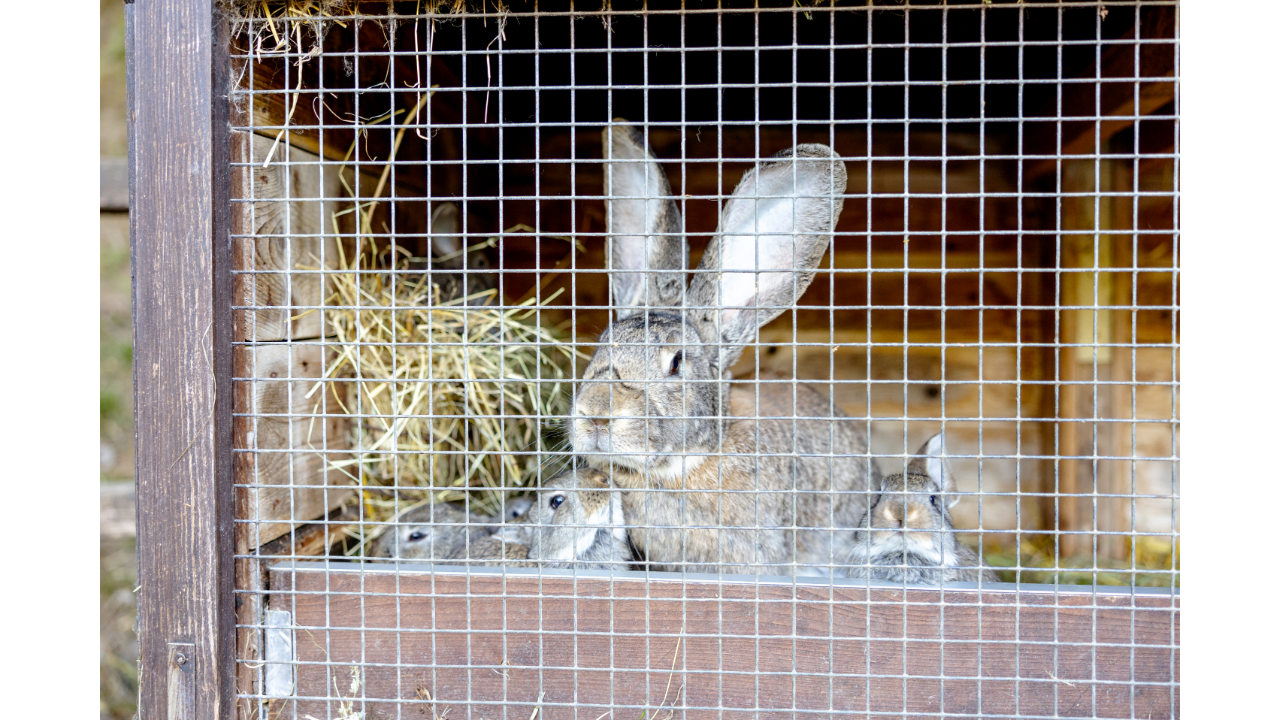
rabbits in hutch

How to stop my rabbit from peeing on its bedding?

Say Goodbye to Rabbit Bedding Woes: Effective Tips to Keep your Pet’s Space Clean and Odour-Free!

How To Stop My Rabbit From Peeing On Its Bedding?

As a rabbit owner, finding that your pet has peed on its bedding can be frustrating. Not only is the smell strong and difficult to get rid of, but it can also pose health risks for both you and your furry friend. In this article, we’ll discuss why rabbits may pee on their bedding and provide tips on how to prevent it from happening again.

Why do rabbits pee on their bedding?

There are several reasons why your rabbit may be peeing on its bedding. Some of the most common causes include:

  1. Territorial marking: Rabbits are territorial animals and may mark their territory by urinating on their bedding.
  2. Medical issues: Certain medical conditions, such as bladder infections or urinary tract problems, can cause your rabbit to pee on its bedding.
  3. Dirty litter box: If your rabbit’s litter box is dirty or too small, it may choose to pee on its bedding instead.
  4. Stress: Rabbits may pee on their bedding if they are feeling stressed or anxious.

How to prevent rabbits from peeing on their bedding?

  1. Clean the litter box regularly: Make sure to clean your rabbit’s litter box at least once a day. Use a mild, rabbit-friendly cleaner to clean the litter box, and replace the litter every few days.
  2. Provide a larger litter box: Make sure your rabbit’s litter box is big enough for it to comfortably move around in. A larger litter box will also reduce the chances of your rabbit choosing to pee on its bedding instead.
  3. Use a litter box with a high back: If your rabbit is a high pee-er, consider using a litter box with a higher back to prevent urine from splashing onto the bedding.
  4. Use a different type of bedding: Some rabbits may not like the texture of certain types of bedding, causing them to pee on it. Try using a different type of bedding to see if it makes a difference.
  5. Provide multiple litter boxes: If you have multiple rabbits or a large living space, consider providing multiple litter boxes to reduce competition and stress.

Why Rabbits Pee on Their Bedding: Understanding the Behaviour of Territorial Animals

Rabbits are fascinating creatures that have been domesticated for thousands of years. They have a unique way of communicating and marking their territory, which can sometimes be a bit confusing for their human companions. One of the common behaviours that rabbits exhibit is peeing on their bedding. In this article, we will explore why rabbits pee on their bedding and what it means for their health and well-being.

Understanding Rabbit Behaviour: Marking and Territorial Instincts

Rabbits are instinctively territorial animals. They have a natural need to mark their territory by leaving their scent on objects around them. When rabbits pee on their bedding, they are essentially claiming that space as their own. This behaviour is similar to dogs marking their territory by urinating on trees, fire hydrants, and other objects.

In addition to marking their territory, rabbits also have a natural instinct to burrow. In the wild, rabbits dig and scratch to create burrows in which they can hide and sleep. Domesticated rabbits may exhibit similar behaviour by digging and scratching their bedding. However, this behavior can sometimes lead to rabbits peeing on their bedding, which can be a sign of an underlying problem.

Possible Health Problems: Inadequate Litter Box

While peeing on their bedding is a natural behaviour for rabbits, it can also be a sign of a health problem. One of the most common reasons why rabbits pee on their bedding is an inadequate litter box. If the litter box is too small, too dirty, or not changed often enough, rabbits may choose to pee on their bedding instead. This behaviour can also be a sign of urinary tract infections or other health problems.

Another possible reason why rabbits pee on their bedding is stress. Rabbits are sensitive animals that can become stressed by changes in their environment, such as a new home or the introduction of a new pet. If your rabbit is peeing on their bedding, it is important to observe their behaviour and look for signs of stress.

Managing Rabbit Behaviour: Providing Adequate Litter Box and Stress-free Environment

To prevent rabbits from peeing on their bedding, it is important to provide them with an adequate litter box. The litter box should be large enough for the rabbit to comfortably move around in and should be cleaned and changed regularly. You can also provide your rabbit with a separate area for sleeping and resting, such as a cardboard box or a designated corner of the cage.

Creating a stress-free environment for your rabbit is also important for managing their behavior. This can be achieved by providing them with plenty of toys and activities to keep them occupied, as well as a quiet and comfortable place to sleep. If your rabbit is still exhibiting signs of stress or peeing on their bedding, it is important to consult with a veterinarian to rule out any underlying health problems.

How to Prevent Your Rabbit from Peeing on Its Bedding?

  1. Provide a litter box: Rabbits can be trained to use a litter box. The litter box should be filled with a suitable litter, such as paper-based pellets, that is safe for rabbits to ingest. Place the litter box in a corner of the cage, where your rabbit usually urinates. Encourage your rabbit to use the litter box by placing some of its droppings in the box.
  2. Clean the litter box regularly: A dirty litter box can discourage your rabbit from using it. Clean the litter box daily, and replace the litter completely once a week.
  3. Choose the right bedding: The type of bedding you use can affect your rabbit’s behaviour. Avoid using bedding that has a strong scent or is dusty, as this can irritate your rabbit’s respiratory system. Instead, opt for bedding that is absorbent and dust-free, such as paper-based bedding or hay.
  4. Use a litter box with a grate: A litter box with a grate can help keep your rabbit’s feet clean and dry. The grate will allow the urine to pass through and collect in a tray below. This will help prevent your rabbit from stepping on its urine, which can cause infection.
  5. Train your rabbit: If your rabbit is not using the litter box, you can train it by placing its droppings in the box and praising it when it uses it. You can also try limiting your rabbit’s space until it gets used to using the litter box.
  6. Provide plenty of toys: Boredom can lead to destructive behaviour in rabbits, including peeing on their bedding. Provide plenty of toys and activities for your rabbit to keep it entertained.
  7. Address any health issues: If your rabbit is peeing on its bedding, it could be a sign of a health problem, such as a urinary tract infection. Take your rabbit to a veterinarian for a check-up.

Conclusion

Preventing your rabbit from peeing on its bedding requires patience, consistency, and a little bit of training. By providing your rabbit with a suitable litter box, choosing the right bedding, and addressing any health issues, you can ensure that your furry friend remains healthy and comfortable. Remember, rabbits are intelligent animals that respond well to positive reinforcement. With a little bit of effort, you can train your rabbit to use its litter box and keep its bedding clean.

yellowwarning sign

Are Dog beds from China safe?

Are Chinese Dog Beds Safe? Shocking Truth Revealed!

Are Dog beds from China safe? Dog beds are a popular accessory for pet owners around the world. As the demand for affordable pet supplies continues to increase, more and more dog beds are being imported from countries like China. However, concerns have been raised about the safety of these products, particularly in terms of the materials used in their production. In this article, we will explore the question of whether dog beds from China are safe and what factors should be considered when making a purchase.

One of the primary concerns with dog beds from China is the potential use of toxic materials in their production. China has a history of using toxic chemicals in the manufacturing of consumer goods, including pet products. In particular, there have been cases of Chinese manufacturers using formaldehyde, lead, and other harmful chemicals in the production of pet beds. These chemicals can cause a variety of health problems for pets, ranging from skin irritation to respiratory issues.

It’s important to note, however, that not all dog beds from China are made with toxic materials. Many manufacturers in China are committed to producing safe and high-quality products. The key is to do your research and choose a reputable brand with a proven track record of quality and safety.

One way to ensure that you’re buying a safe dog bed is to look for certifications and standards. In the United States, the Consumer Product Safety Commission (CPSC) sets safety standards for pet products, including dog beds. Look for dog beds that meet these standards, as well as other certifications like the Global Organic Textile Standard (GOTS), which ensures that the bed is made with organic materials.

Another important factor to consider when purchasing a dog bed from China is the quality of the materials used. Low-quality materials are more likely to contain harmful chemicals or break down quickly, leading to potential safety hazards. Look for dog beds made with high-quality materials like natural fabrics, non-toxic foam, and durable stitching.

In addition to concerns about toxic materials and quality, some pet owners worry about the ethical implications of buying products made in China. China has a reputation for poor working conditions and labour practices, and there have been reports of Chinese manufacturers using forced labour in the production of pet products. It’s important to consider the ethical implications of your purchase and choose a brand that is transparent about its labour practices and committed to ethical production.

Ultimately, the safety of a dog bed from China depends on a variety of factors, including the materials used, the manufacturing process, and the reputation of the brand. While there are certainly risks associated with buying products made in China, it’s important to remember that not all Chinese products are created equal. By doing your research and choosing a reputable brand that prioritizes safety and quality, you can ensure that your dog’s bed is a safe and comfortable place to rest.

When it comes to buying dog beds from China, there are a few things to keep in mind. First, it’s important to research the brand and make sure they have a good reputation for producing safe and high-quality products. Look for certifications and standards that indicate the bed meets safety requirements, and choose a bed made with high-quality, non-toxic materials. Finally, consider the ethical implications of your purchase and choose a brand that is committed to ethical production practices.

In conclusion, dog beds from China can be safe, but it’s important to be diligent when making a purchase. By doing your research and choosing a reputable brand, you can ensure that your pet’s bed is a safe and comfortable place for them to rest. While there are certainly risks associated with buying products made in China, it’s possible to find a high-quality, safe dog bed that meets your needs and budget.

What makes a safe dog bed


A safe dog bed is essential for the comfort and health of your pet. It provides a comfortable place for your dog to rest and helps prevent injury and illness. When choosing a dog bed, there are several factors to consider to ensure that it is safe for your furry friend. Here are some of the key things to look for in a safe dog bed:

  1. Size and shape: The size and shape of a dog bed should be appropriate for your pet. It should be large enough for your dog to stretch out comfortably but not so large that they feel exposed or uncomfortable. The shape should also be suitable for your dog’s sleeping style. For example, if your dog likes to curl up in a ball when they sleep, a round or oval-shaped bed may be more comfortable than a rectangular one.
  2. Materials: The materials used to make the bed should be safe and non-toxic. Avoid beds made with materials that can cause allergic reactions, such as synthetic fabrics or foam. Natural materials like cotton, wool, or bamboo are a good option for sensitive dogs. If your dog has a tendency to chew or scratch, choose a bed made with durable, chew-resistant materials.
  3. Cushioning: The cushioning of the bed should be firm enough to provide support for your dog’s joints but not so firm that it causes discomfort. Look for beds with a thick, supportive mattress or cushioning made from high-quality memory foam. Avoid beds with thin or poorly constructed padding that can compress and lose support over time.
  4. Breathability: A safe dog bed should be breathable to prevent overheating and reduce the risk of bacterial growth. Beds made with breathable materials like cotton or bamboo allow air to circulate, keeping your dog cool and comfortable. Avoid beds made with synthetic materials that trap heat and moisture, as these can lead to skin irritation or bacterial infections.
  5. Easy to clean: A dog bed should be easy to clean to prevent the buildup of bacteria and odors. Look for beds with removable covers that can be machine washed or wiped down with a damp cloth. Avoid beds with non-removable covers or those made with materials that cannot be cleaned easily.
  6. Stability: The bed should be stable and not tip over easily, particularly if your dog is a large breed or has mobility issues. Look for beds with a sturdy frame or base and non-slip feet to prevent sliding or tipping. Avoid beds that are too lightweight or flimsy, as these can be easily knocked over.
  7. Safety certifications: Look for dog beds that have been certified by reputable organizations for safety and quality. In the United States, the Consumer Product Safety Commission (CPSC) sets safety standards for pet products, including dog beds. Look for beds that meet these standards, as well as other certifications like the Global Organic Textile Standard (GOTS), which ensures that the bed is made with organic materials.

Do pet beds have to be fire retardant?


Yes, pet beds must be fire retardant to comply with safety regulations in many countries. Fire retardant pet beds are designed to prevent the spread of fire and reduce the risk of injury to your pet in case of a fire.

In the United States, the Consumer Product Safety Commission (CPSC) sets safety standards for pet products, including pet beds. The CPSC requires pet beds to meet certain flammability standards to ensure that they are safe for use in the home.

Similarly, in the United Kingdom, the Furniture and Furnishings (Fire) (Safety) Regulations 1988 require all pet beds to be fire retardant.

When purchasing a pet bed, it is essential to check that it meets safety regulations and has been tested for fire safety. Look for products that have been certified by reputable safety organizations, such as UL (Underwriters Laboratories) or Intertek.

Additionally, you should always keep your pet’s bed away from potential fire hazards, such as heaters, open flames, or electrical sockets. Regularly inspect your pet’s bed for any signs of damage or wear and tear that could increase the risk of a fire.

In conclusion


Choosing a safe dog bed is essential for your pet’s comfort, health, and safety. By considering factors such as size, shape, materials, cushioning, breathability, ease of cleaning, stability, and safety certifications, you can find a bed that is suitable for your dog’s needs. A good quality dog bed can provide your furry friend with a comfortable and supportive place to rest, which can improve their overall health and wellbeing.


dog in the washing machine wearing shower hat with rubber duck

How to clean urine from foam dog bed

Urine stains no more: Learn how to clean foam dog bed in just a few steps!

Cleaning urine from a foam dog bed can be a bit of a challenge, but here are some steps you can follow:

  1. Remove any solid waste from the bed using paper towels or a plastic scraper.
  2. Blot up as much of the urine as possible using paper towels or a clean cloth. Press down firmly on the area to absorb as much moisture as possible.
  3. Mix a solution of one part white vinegar and one part water in a spray bottle.
  4. Spray the solution onto the urine stain and let it sit for 5-10 minutes.
  5. Blot the area again with paper towels or a clean cloth to absorb the vinegar solution and any remaining moisture.
  6. If the urine stain and odour persist, you can sprinkle baking soda over the affected area and let it sit for several hours or overnight. Then vacuum up the baking soda with a handheld vacuum or attachment.
  7. To finish, let the foam dog bed air dry completely in a well-ventilated area, preferably outdoors in the sunlight. Avoid using a dryer or a hair dryer as heat can damage the foam material.

Repeat the process if necessary until the urine stain and odour are completely gone. It’s also a good idea to use a waterproof mattress protector or a dog bed cover in the future to prevent any accidents from soaking into the foam.

Can you wash foam in a washing machine?

It is generally not recommended to wash foam in a washing machine as it can damage the foam material and cause it to lose its shape and support. The agitation of the washing machine can also cause the foam to break apart and become lumpy.

However, some foam products, such as foam pillows or foam cushions, may have removable covers that can be machine washed according to the care instructions. If the foam dog bed has a removable cover that is machine washable, you can wash and dry the cover separately, but be sure to remove any solid waste or excess moisture from the foam bed before putting the cover back on.

If the foam dog bed itself is heavily soiled, you may want to consider spot cleaning it with a mild detergent and water, and then letting it air dry completely in a well-ventilated area. Alternatively, you can hire a professional upholstery cleaner who has experience with cleaning foam products.

Can you put a foam dog bed in the dryer?

It is not recommended to put a foam dog bed in the dryer as the heat can damage the foam material and cause it to lose its shape and support. Additionally, the high temperature in the dryer can cause any remaining urine or odour to set in, making it even more difficult to remove.

Instead, it is best to let the foam dog bed air dry completely in a well-ventilated area, preferably outdoors in the sunlight. To speed up the drying process, you can use a fan or a dehumidifier to circulate air and reduce moisture.

If the foam dog bed has a removable cover that is machine washable, you can wash and dry the cover separately according to the care instructions. However, be sure to remove any solid waste or excess moisture from the foam bed before putting the cover back on.

Related posts: