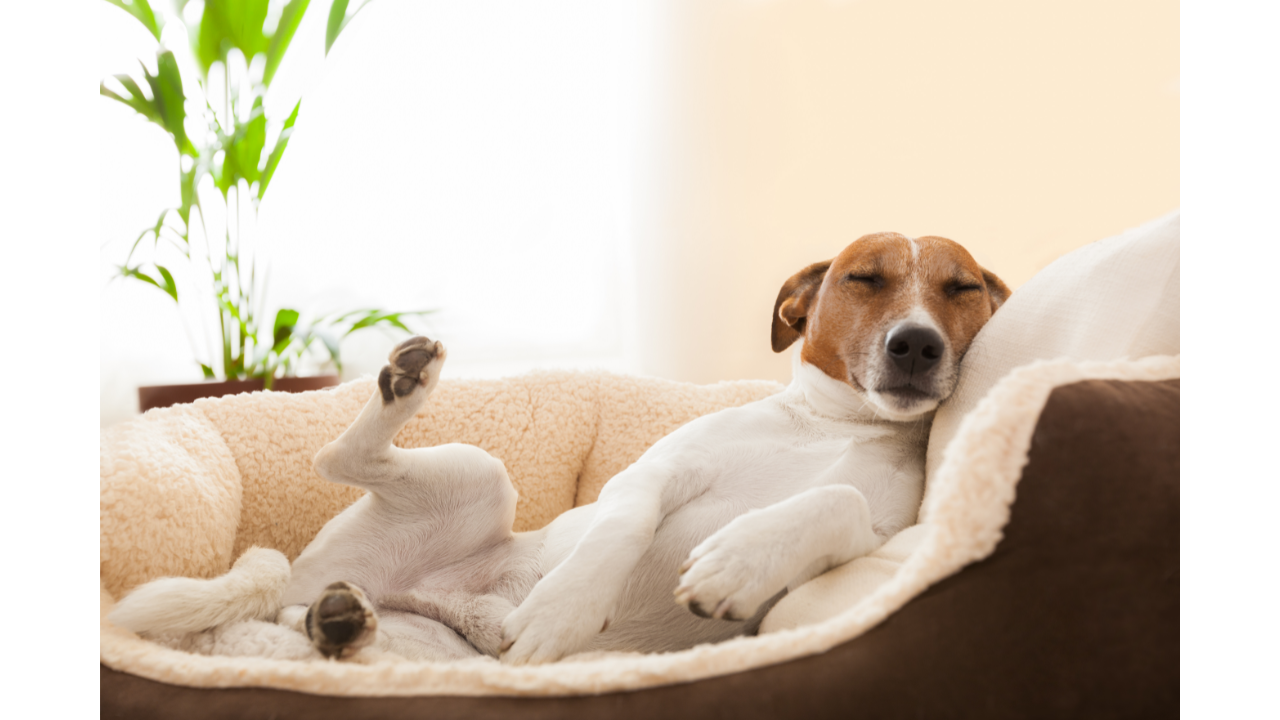
Dog sleeping in orthopedic bed

Benefits of an orthopedic dog bed for a dog’s overall health?

The Ultimate Guide to Orthopedic Dog Beds: The Benefits of an orthopedic dog bed

What is an orthopedic dog bed?

An orthopedic dog bed is a type of bed specifically designed to provide support and comfort for dogs with joint pain, arthritis, or other orthopedic issues. These beds are made of specialized foam and are designed to distribute a dog’s weight evenly, reducing pressure on their joints.

The three most important pieces of information about orthopedic dog beds are:

Orthopedic dog beds are designed to provide support and comfort for dogs with joint pain, arthritis, or other orthopedic issues.
These beds are made of specialized foam and are designed to distribute a dog’s weight evenly, reducing pressure on their joints.
Orthopedic dog beds can help prevent and alleviate pain and discomfort in dogs, improving their overall quality of life.

What are the benefits of using an orthopedic dog bed?

Using an orthopedic dog bed can have numerous benefits for a dog’s overall health and well-being.
The three most important benefits of using an orthopedic dog bed are:

Improved joint health and reduced pain: Orthopedic dog beds provide support and cushioning for a dog’s joints, reducing pressure on them and helping to alleviate pain and discomfort associated with arthritis and other orthopedic issues.

Better sleep quality: The specialized foam used in orthopedic dog beds provides better support and comfort for dogs, which can lead to improved sleep quality and overall restfulness.
Reduced risk of injury: Orthopedic dog beds can help reduce the risk of injury in dogs by providing a stable and supportive surface for them to rest on, especially for dogs with mobility issues.

What should I consider when choosing an orthopedic dog bed?

When choosing an orthopedic dog bed, there are several factors to consider to ensure that you get the right bed for your dog’s needs.
The three most important factors to consider when choosing an orthopedic dog bed are:

Size: It is important to choose a bed that is the right size for your dog, with enough space for them to stretch out comfortably.

Quality of materials: Look for a bed made with high-quality materials, such as memory foam, that will provide the necessary support and comfort for your dog’s joints.

Durability: Consider the durability of the bed, especially if your dog is a heavy chewer or digger, and look for one with a sturdy and well-made cover that can withstand wear and tear.

What are some common types of orthopedic dog beds?

There are several common types of orthopedic dog beds available on the market, each with its own unique features and benefits.

The three most common types of orthopedic dog beds are:

Memory foam dog beds: These beds are made with high-density memory foam that conforms to a dog’s shape, providing customized support and comfort for their joints.
Elevated dog beds: These beds have a raised platform that provides a stable and supportive surface for dogs to rest on, reducing pressure on their joints and helping to keep them cool in warm weather.
Bolster dog beds: These beds have raised sides that provide a sense of security and comfort for dogs, as well as extra cushioning and support for their joints.

What are some additional features to look for in an orthopedic dog bed?

There are several additional features to look for when choosing an orthopedic dog bed, depending on your dog’s specific needs and preferences.

The three most important benefits of using an orthopedic dog bed for dogs with joint problems are:

  1. Reduced pressure on joints: Orthopedic dog beds are designed to distribute weight evenly and reduce pressure on joints, which can help alleviate pain and discomfort.
  2. Improved sleep quality: Dogs with joint problems may have trouble getting comfortable and staying asleep throughout the night. An orthopedic dog bed can provide a comfortable and supportive surface for them to rest on, resulting in better sleep quality.
  3. Increased mobility: By reducing joint pain and discomfort, an orthopedic dog bed can help improve a dog’s mobility and make it easier for them to move around and enjoy their daily activities.

What are some additional features to look for in an orthopedic dog bed?

There are several additional features to look for when choosing an orthopedic dog bed, depending on your dog’s specific needs and preferences.
The three most important additional features to consider are:

Waterproof or water-resistant covers: These are especially important if your dog is prone to accidents or if you live in a rainy climate, as they can help protect the bed from moisture and prevent mould and mildew growth.

Non-slip bottom: A non-slip bottom can help keep the bed in place, especially if your dog likes to move around a lot while sleeping.
Removable and machine-washable cover: This feature can make it easier to keep the bed clean and fresh-smelling, as you can simply remove and wash the cover as needed.

How can an orthopedic dog bed help senior dogs?

Senior dogs can benefit greatly from using an orthopedic dog bed, as they are more prone to joint pain and other orthopedic issues.
The three most important ways that an orthopedic dog bed can help senior dogs are:

Improved mobility: By providing support and cushioning for a senior dog’s joints, an orthopedic dog bed can help improve their mobility and make it easier for them to get up and move around.

Pain relief: Senior dogs are more likely to suffer from arthritis and other joint problems, which can cause chronic pain and discomfort. An orthopedic dog bed can help alleviate this pain and improve their quality of life.

Better sleep quality: As dogs age, they may experience changes in their sleep patterns and habits. Using an orthopedic dog bed can help improve their sleep quality by providing a comfortable and supportive surface for them to rest on.

What are some benefits of using an orthopedic dog bed for dogs with joint problems?

Dogs with joint problems can benefit greatly from using an orthopedic dog bed, as it can provide the necessary support and comfort they need to alleviate their pain.
The three most important benefits of using an orthopedic dog bed for dogs with joint problems are:

Reduced pressure on joints: Orthopedic dog beds are designed to distribute weight evenly and reduce pressure on joints, which can help alleviate pain and discomfort.
Improved sleep quality: Dogs with joint problems may have trouble getting comfortable and staying asleep throughout the night.

An orthopedic dog bed can provide a comfortable and supportive surface for them to rest on, resulting in better sleep quality.
Increased mobility: By reducing joint pain and discomfort, an orthopedic dog bed can help improve a dog’s mobility and make it easier for them to move around and enjoy their daily activities.

In conclusion,

An orthopedic dog bed can provide numerous benefits for dogs of all ages and sizes, particularly those with joint problems or other orthopedic issues. By providing the necessary support and comfort, an orthopedic dog bed can help alleviate pain, improve sleep quality, and increase mobility.

When choosing an orthopedic dog bed, it’s important to consider additional features such as waterproof covers, non-slip bottoms, and machine-washable covers, depending on your dog’s specific needs and preferences. Overall, investing in an orthopedic dog bed can greatly improve your dog’s overall health and well-being, and help them live a happier and more comfortable life.

playful puppy running with ball

Your Dog’s Bed and Their Health

Understanding the Connection Between Your Dog’s Bed and Their Health

As pet owners, we all want to ensure that our furry friends are happy and healthy. One area that often gets overlooked, however, is the importance of a good quality dog bed. You may not realize it, but your dog’s bed can have a significant impact on their health and wellbeing.

In this article, we will explore the connection between your dog’s bed and their health, and why investing in a high-quality bed is essential for your furry friend’s overall wellbeing.

Supporting Joint Health

Just like humans, dogs can experience joint pain and arthritis, particularly as they age. A good quality dog bed can help to support their joints, providing the necessary cushioning to relieve pressure points and reduce pain.

Look for a bed that is made with memory foam or orthopedic foam, which can contour to your dog’s body, providing optimal support and comfort. Avoid beds that are too soft, as these can lack the necessary support and exacerbate joint pain.

As dogs age, they can experience joint pain and mobility issues just like humans. These problems can be caused by a variety of factors, including injury, genetics, or breed. However, there are steps pet owners can take to support their dogs’ joint health and keep them comfortable and active in their golden years.

No products found.


  1. Maintain a Healthy Weight

Obesity is a significant risk factor for joint problems in dogs. The extra weight puts additional stress on their joints, causing pain and inflammation. Pet owners should monitor their dogs’ weight and provide a healthy, balanced diet with appropriate portion sizes. Regular exercise is also crucial for maintaining a healthy weight and supporting joint health.

  1. Provide Supplements

There are various supplements available that can support joint health in dogs. Glucosamine and chondroitin are popular supplements that can help reduce inflammation and promote healthy joint function. Omega-3 fatty acids and vitamin E are also beneficial for joint health and can be found in some supplements.

No products found.

  1. Use an Orthopedic Bed

As mentioned in our previous article, a dog’s bed can have a significant impact on their overall health. For dogs with joint issues, an orthopedic bed can provide much-needed support and cushioning. These beds are designed to distribute weight evenly and reduce pressure on the joints.

  1. Exercise and Activity

Regular exercise and activity are crucial for maintaining joint health in dogs. However, it’s important to choose activities that are low-impact and don’t put too much stress on the joints. Swimming, walking, and gentle play are all excellent options. Pet owners should also avoid activities that require jumping or sudden movements, as these can exacerbate joint pain and damage.

  1. Regular Vet Visits

Regular check-ups with a veterinarian are essential for monitoring a dog’s joint health. They can detect any issues early on and provide recommendations for treatment or management. Vets can also provide guidance on appropriate exercise and dietary changes that can support joint health.

In conclusion, joint health is an essential aspect of a dog’s overall well-being. By maintaining a healthy weight, providing supplements, using an orthopedic bed, promoting regular exercise, and scheduling regular vet visits, pet owners can support their furry friend’s joint health and keep them comfortable and active for years to come.

No products found.

Improving Sleep Quality

Dogs need a good night’s sleep to stay healthy and happy. A comfortable bed can help them to achieve this, allowing them to settle down and relax after a long day of play and exercise.

Look for a bed that is the right size for your dog, with enough space to stretch out comfortably. A raised bed can also be beneficial, as it can keep your dog off the cold floor and provide better air circulation, keeping them cool and comfortable.

Dogs, just like humans, need quality sleep to maintain their health and well-being. However, certain factors can disrupt a dog’s sleep, leading to restless nights and a decreased quality of life. Here are some tips on how to improve your dog’s sleep quality:

  1. Provide a Comfortable Bed

A comfortable bed is essential for a good night’s sleep. Make sure your dog’s bed is the right size for them and is made from high-quality materials. Orthopedic beds can be especially beneficial for dogs with joint pain or arthritis, as they provide extra cushioning and support.

  1. Keep the Bedroom Quiet and Dark

Just like humans, dogs need a quiet and dark environment to sleep soundly. Make sure their sleeping area is in a quiet part of the house, away from any loud noises or distractions. Additionally, use blackout curtains or shades to keep the room dark and conducive to sleep.

  1. Establish a Bedtime Routine

Establishing a consistent bedtime routine can help your dog relax and prepare for sleep. A routine could include a bedtime snack, a quick walk or playtime, and then settling down for the night in their bed. This routine can help signal to your dog that it’s time to wind down and sleep.

  1. Provide Adequate Exercise

Regular exercise is crucial for a dog’s health and can also help them sleep better at night. Make sure your dog is getting enough physical activity during the day, such as walks or playtime. However, avoid exercising them too close to bedtime, as it can overstimulate them and make it harder to fall asleep.

  1. Consider Supplements

Certain supplements can promote relaxation and improve sleep quality in dogs. For example, melatonin supplements can help regulate sleep cycles and promote relaxation. However, it’s essential to talk to your veterinarian before giving your dog any supplements to ensure they are safe and appropriate for your pet’s needs.

In conclusion, improving your dog’s sleep quality can have a significant impact on their overall health and well-being. By providing a comfortable bed, keeping their sleeping area quiet and dark, establishing a bedtime routine, providing adequate exercise, and considering supplements, you can help your furry friend get the restful sleep they need to stay healthy and happy.

Preventing Infections

A dirty, unkempt dog bed can be a breeding ground for bacteria and other harmful pathogens. This can lead to skin infections, respiratory issues, and other health problems, particularly for dogs with weaker immune systems.

To prevent this, it’s essential to choose a bed that is easy to clean and maintain. Look for a bed with a removable cover that can be machine washed, and consider investing in a bed with an antimicrobial treatment that can help to keep germs at bay.

Just like humans, dogs are susceptible to infections that can cause discomfort and even serious health issues. Fortunately, there are steps you can take as a pet owner to prevent infections in your dog. Here are some tips:

No products found.

  1. Vaccinations

Regular vaccinations are essential for preventing infectious diseases in dogs. Your veterinarian can recommend a vaccination schedule based on your dog’s age, breed, and lifestyle. It’s important to keep up with these vaccinations to protect your dog from potentially deadly diseases.

  1. Regular Vet Visits

Regular check-ups with a veterinarian are crucial for monitoring your dog’s health and detecting any potential infections early on. Your vet can perform routine tests and exams to ensure your dog is healthy and can also provide advice on preventing infections.

  1. Proper Hygiene

Maintaining proper hygiene is essential for preventing infections in dogs. Regularly bathe your dog and clean their ears, teeth, and nails. Use a gentle shampoo and conditioner specifically formulated for dogs, and avoid using human products, as they can be too harsh on their skin. Also, make sure to clean any wounds or scratches and keep them covered to prevent bacteria from entering.

  1. Healthy Diet

A healthy diet is essential for a strong immune system, which can help prevent infections in dogs. Provide your dog with a balanced diet that includes all the necessary nutrients they need to stay healthy. Avoid feeding them table scraps and human food, as these can upset their stomach and potentially cause infections.

  1. Avoid Exposure to Sick Dogs

Dogs can contract infections from other sick dogs, so it’s important to avoid exposing your dog to sick animals. Keep them away from dogs that are showing signs of illness, such as coughing, sneezing, or diarrhoea. Also, avoid crowded areas, such as dog parks or kennels, where infections can easily spread.

Preventing infections in your dog is crucial for their health and well-being. By keeping up with their vaccinations, regularly visiting the veterinarian, maintaining proper hygiene, providing a healthy diet, and avoiding exposure to sick dogs, you can help keep your furry friend healthy and happy.

Reducing Anxiety and Stress

Dogs can experience anxiety and stress for a variety of reasons, from separation anxiety to loud noises and unfamiliar environments. A comfortable bed can help to reduce their stress levels, providing a sense of security and comfort when they need it most.

Look for a bed that is cosy and inviting, with a soft, plush lining that your dog can snuggle into. A bed with raised sides can also be beneficial, as it can create a sense of enclosure, making your dog feel safe and secure.

No products found.

Dogs, like humans, can experience anxiety and stress in certain situations. It’s essential to recognize the signs of anxiety and stress in your dog and take steps to reduce their symptoms. Here are some tips for reducing your dog’s anxiety and stress:

  1. Identify Triggers

Identifying the triggers that cause your dog’s anxiety or stress is the first step in reducing their symptoms. Common triggers can include loud noises, unfamiliar people or animals, separation from their owner, and changes in routine or environment.

  1. Provide a Safe and Comfortable Space

Providing your dog with a safe and comfortable space can help reduce their anxiety and stress. This could be a crate or a quiet room where they can retreat to when they feel overwhelmed. Make sure this space is equipped with comfortable bedding, toys, and treats to help them feel relaxed.

  1. Establish a Routine

Establishing a routine can help reduce your dog’s anxiety and stress by providing structure and predictability. Stick to a consistent schedule for feeding, exercise, and playtime. This routine can help your dog feel more secure and less anxious.

  1. Provide Adequate Exercise

Regular exercise is crucial for reducing your dog’s anxiety and stress. Exercise can help release pent-up energy and reduce anxiety levels. Make sure your dog is getting enough physical activity each day, such as walks, runs, or playtime.

  1. Use Calming Techniques

Calming techniques, such as massage or aromatherapy, can help reduce your dog’s anxiety and stress. You can also try playing calming music or using a calming pheromone spray or diffuser. These techniques can help soothe your dog and reduce their anxiety levels.

No products found.

  1. Consult with a Veterinarian

In some cases, medication or behaviour modification techniques may be necessary to reduce your dog’s anxiety and stress. If your dog’s anxiety is severe or is interfering with their quality of life, consult with a veterinarian. They can recommend the best course of treatment for your dog’s specific needs.

Reducing your dog’s anxiety and stress is essential for their health and well-being. By identifying triggers, providing a safe and comfortable space, establishing a routine, providing adequate exercise, using calming techniques, and consulting with a veterinarian if necessary, you can help your furry friend feel more relaxed and comfortable.

In summary

As a pet owner, one of the most important things you can do for your furry friend is to provide them with a comfortable and supportive bed. Not only does a good bed help your pet get a good night’s sleep, but it also plays an important role in their overall health and wellbeing.

One of the key benefits of a good bed is that it provides your pet with a comfortable place to rest and relax. This is particularly important for older pets, who may have joint issues or arthritis. A supportive bed can help relieve pressure on their joints, making it easier for them to move around and get comfortable.

In addition to providing a comfortable place to rest, a good bed can also help keep your pet healthy. A clean, supportive bed can help prevent the development of skin irritations, infections, and other health issues that can arise from sleeping on a hard or dirty surface.

When shopping for a bed for your pet, it’s important to choose one that’s the right size and shape for their needs. If your pet likes to stretch out, look for a bed that’s long enough to accommodate their full body length. If your pet prefers to curl up, a smaller, more enclosed bed may be a better choice.

Another important factor to consider when choosing a bed is the type of material it’s made of. Some materials, such as memory foam, provide extra support for pets with joint issues. Other materials, like cotton, are softer and more breathable, making them a good choice for pets who overheat easily. Be sure to choose a material that’s comfortable for your pet and meets their specific needs.

Other factors to consider when choosing a bed include the level of support provided, and the ease of cleaning. Some beds come with removable covers that can be machine-washed, while others may require spot cleaning or even professional cleaning.

By providing your pet with a bed that’s comfortable, supportive, and made of the right material, you can help ensure their health and wellbeing for years to come. For more information on how your dog’s bed can affect their health, check out this informative article on the link between your dog’s bed and their health.