Trauma: Dogs that have experienced trauma such as abuse, neglect, or a natural disaster may develop anxiety.
Change in routine: Dogs are creatures of habit and may become anxious if their routine is disrupted, such as moving to a new home or having a new family member.
Lack of exercise: Dogs that do not receive enough exercise may become anxious or restless.
It’s important to identify the underlying cause of a dog’s anxiety and work with a veterinarian or a professional dog trainer to develop a plan to address the issue.
For large dogs with anxiety, the following types of beds are recommended:
Calming beds: these beds are designed to promote relaxation and calmness, often with a soft, plush material and a raised rim for a sense of security.
Orthopaedic beds: made of durable, supportive materials such as memory foam or solid foam, which can provide comfort and stability for dogs with anxiety.
Bolster beds: with elevated edges that provide a place for large dogs to rest their heads and a sense of security.
Thundershirts: these snug-fitting shirts apply gentle, constant pressure to help dogs feel calm and secure.
When choosing a bed for a large dog with anxiety, it’s important to consider the size of the bed, as well as the material and durability of the bed. A bed with a machine-washable cover is also a good choice, as it makes it easy to clean and maintain the bed in case of accidents.
Conclusion
It’s important to note that the bed itself is not a cure for anxiety, but providing a comfortable and secure environment can help alleviate some of the symptoms of anxiety in dogs. In addition, it’s important to address the underlying cause of the anxiety with the help of a veterinarian or professional dog behaviourist.
Give Your Small Anxious Dog the Comfort They Deserve!
What causes dogs to be anxious?
Dogs can experience anxiety due to a variety of factors, including:
Separation anxiety: Dogs may become anxious when they are separated from their owners or family members. Separation anxiety is a condition that can affect dogs, causing them to feel anxious, stressed, and distressed when they are separated from their owners or family members. It is a common problem that many dogs experience, especially those who have formed strong bonds with their owners. Dogs that suffer from separation anxiety may exhibit a variety of symptoms, including destructive behaviour, excessive barking or howling, panting, pacing, trembling, drooling, and even self-injury. They may also refuse to eat or drink, lose interest in toys or other activities they previously enjoyed, and may even try to escape or break out of their crates or homes. The severity of separation anxiety can vary from dog to dog, and can also be influenced by a variety of factors, such as the dog’s age, breed, temperament, and past experiences. Some dogs may only experience mild symptoms, while others may become severely distressed and require professional intervention to help them cope. It is important to note that separation anxiety is not a result of a dog being disobedient, spiteful, or stubborn, but rather a manifestation of their fear and anxiety. Therefore, it is essential for dog owners to understand and recognize the signs of separation anxiety and work with their veterinarian or a professional dog trainer to help their dog manage and overcome their anxiety. There are various techniques that can be used to help dogs with separation anxiety, such as gradual desensitization, counterconditioning, and medication. These methods aim to help dogs feel more comfortable and relaxed when they are separated from their owners and teach them to associate positive experiences with being alone. In conclusion, separation anxiety is a serious condition that can significantly impact a dog’s well-being and quality of life. It is important for dog owners to be aware of the signs of separation anxiety and seek professional help if their dog is exhibiting symptoms. With patience, understanding, and proper treatment, dogs with separation anxiety can learn to feel more comfortable and secure when they are alone.
Loud noises: Dogs may become anxious when they hear loud noises such as thunder, fireworks, or construction. Loud noises such as thunder, fireworks, gunshots, and construction can cause anxiety in many dogs. For some dogs, the noise can trigger a fear response that can cause them to become anxious, stressed, and even panicked. This is a common problem that many dog owners face, especially during holiday seasons when fireworks are often set off. When dogs hear loud noises, they may exhibit a variety of symptoms, including shaking, panting, pacing, drooling, hiding, and even attempting to escape. Some dogs may also become destructive or aggressive when they are anxious. These symptoms can be distressing for both the dog and their owner, and can negatively impact their quality of life. Fortunately, there are several strategies that can help dogs cope with loud noises. One approach is desensitization, which involves gradually exposing the dog to the noise in a controlled and safe environment until they become accustomed to it. This can be done by playing recordings of the noise at low levels and gradually increasing the volume over time. Another strategy is counterconditioning, which involves pairing the loud noise with something positive, such as treats or toys. This can help the dog associate the noise with positive experiences and reduce their anxiety.In some cases, medication may be necessary to help dogs cope with loud noises. Anti-anxiety medications or sedatives can be prescribed by a veterinarian to help calm the dog and reduce their anxiety.It is important for dog owners to be patient and understanding when their dog is anxious due to loud noises. Punishing or scolding the dog for their behavior will only increase their anxiety and make the problem worse. Instead, owners should provide their dog with a safe and comfortable environment and seek professional help if their dog’s anxiety is severe or persistent.In conclusion, loud noises can cause anxiety in many dogs and can negatively impact their well-being. However, there are several strategies that can be used to help dogs cope with loud noises, including desensitization, counterconditioning, and medication. With patience and proper treatment, dogs can learn to cope with loud noises and lead happy and healthy lives.
Social anxiety: Dogs may become anxious around other dogs or people, especially if they were not properly socialized when they were young. Social anxiety is a common condition that can affect dogs, causing them to feel anxious, stressed, and uncomfortable around other dogs or people. This condition is often a result of a lack of socialization during the dog’s early developmental stages, where they were not exposed to enough social interaction with other dogs or people. Dogs with social anxiety may exhibit a variety of symptoms, including excessive barking or growling, shaking, hiding or cowering, and even aggressive behaviour. They may also have difficulty making eye contact, and their body language may be tense or defensive. These symptoms can be triggered by a variety of stimuli, including the presence of unfamiliar dogs or people, crowded environments, and loud or sudden noises. It is important to note that social anxiety in dogs is not a result of a lack of obedience or training, but rather a manifestation of their fear and anxiety. Therefore, it is important for dog owners to understand and recognize the signs of social anxiety and work with a professional dog trainer or behaviourist to help their dog overcome their anxiety.The most effective way to help dogs with social anxiety is through gradual desensitization and counterconditioning. This involves exposing the dog to the source of their anxiety in a controlled and safe environment and rewarding them for remaining calm and relaxed. Over time, the dog will learn to associate positive experiences with the trigger and become more comfortable around other dogs or people. In some cases, medication may also be necessary to help dogs cope with social anxiety. Anti-anxiety medication or selective serotonin reuptake inhibitors (SSRIs) can be prescribed by a veterinarian to help calm the dog and reduce their anxiety. It is important for dog owners to be patient and understanding when helping their dog overcome social anxiety. Punishing or scolding the dog for their behaviour will only increase their anxiety and make the problem worse. Instead, owners should provide their dog with a safe and comfortable environment and seek professional help if their dog’s anxiety is severe or persistent.In conclusion, social anxiety is a common condition that can affect dogs, especially if they were not properly socialized when they were young. However, with proper treatment, including desensitization, counterconditioning, and medication, dogs can learn to overcome their anxiety and lead happy and healthy lives.
Medical conditions: Dogs may experience anxiety due to medical conditions such as thyroid problems, brain tumours, or hormonal imbalances. Anxiety in dogs can also be caused by various medical conditions. These conditions can include thyroid problems, brain tumours, hormonal imbalances, and other health issues. In some cases, the anxiety may be a symptom of an underlying medical condition that requires treatment. Thyroid problems, for example, can cause dogs to experience anxiety, as well as lethargy, weight changes, and changes in their skin and coat. Brain tumours and other neurological conditions can also cause anxiety in dogs, as they can affect the dog’s behaviour and cognition. Hormonal imbalances, such as those caused by an overactive adrenal gland or an underactive thyroid gland, can also cause anxiety in dogs.In addition to these conditions, dogs may also experience anxiety as a side effect of medication or treatment for a medical condition. For example, dogs undergoing chemotherapy or radiation therapy may experience anxiety as a result of the treatment.If a dog is exhibiting signs of anxiety, it is important to take them to a veterinarian for a thorough examination. The vet may recommend blood tests, imaging studies, or other diagnostic tests to identify any underlying medical conditions that may be causing the anxiety. Treatment may involve medication to manage the underlying medical condition or to help manage the dog’s anxiety symptoms. It is important to note that anxiety caused by medical conditions may require different treatment strategies than anxiety caused by behavioural or environmental factors. Therefore, it is important for dog owners to work closely with their veterinarian to identify the underlying cause of their dog’s anxiety and develop an appropriate treatment plan. In conclusion, anxiety in dogs can be caused by various medical conditions, including thyroid problems, brain tumours, hormonal imbalances, and other health issues. If a dog is exhibiting signs of anxiety, it is important to take them to a veterinarian for a thorough examination to identify any underlying medical conditions that may be causing the anxiety. Treatment may involve medication to manage the underlying medical condition or to help manage the dog’s anxiety symptoms.
Trauma: Dogs that have experienced trauma such as abuse, neglect, or a natural disaster may develop anxiety. Dogs that have experienced trauma, such as abuse, neglect, or a natural disaster, may develop anxiety as a result of their experiences. Traumatic events can have a lasting impact on dogs, and they may exhibit symptoms of anxiety for months or even years after the event. Dogs that have been abused or neglected may exhibit a variety of symptoms of anxiety, including shaking, hiding or cowering, excessive barking or growling, and even aggressive behaviour. They may also have difficulty trusting people, making eye contact, or forming close relationships with humans or other animals.Similarly, dogs that have experienced a natural disaster, such as a hurricane, earthquake, or flood, may also exhibit symptoms of anxiety. They may become fearful of loud noises, including thunder or fireworks, and may exhibit signs of distress when left alone or separated from their owners. It is important to note that dogs that have experienced trauma may require specialized treatment to help them overcome their anxiety. This may include desensitization and counterconditioning to help the dog learn to associate positive experiences with the trigger that causes their anxiety. In some cases, medication may also be necessary to help the dog cope with their anxiety symptoms. It is important for dog owners to be patient and understanding when working with dogs that have experienced trauma. Punishing or scolding the dog for their behaviour will only increase their anxiety and make the problem worse. Instead, owners should provide their dog with a safe and comfortable environment and seek professional help if their dog’s anxiety is severe or persistent. In conclusion, dogs that have experienced trauma, such as abuse, neglect, or a natural disaster, may develop anxiety as a result of their experiences. These dogs may exhibit a variety of symptoms of anxiety, and may require specialized treatment to help them overcome their anxiety. With proper treatment and support, however, dogs that have experienced trauma can learn to overcome their anxiety and lead happy and healthy lives.
Change in routine: Dogs are creatures of habit and may become anxious if their routine is disrupted, such as moving to a new home or having a new family member. Dogs are creatures of habit and thrive on routine. When their routine is disrupted, it can cause them to become anxious and stressed. Changes in routine can include moving to a new home, having a new family member, changes in their feeding schedule, or changes in their exercise routine. Moving to a new home is a common cause of anxiety in dogs. This is because dogs become accustomed to the sights, sounds, and smells of their environment. Moving to a new home can be stressful for dogs as they adjust to a new environment and routine. Dogs may become anxious and exhibit behaviours such as pacing, whining, or hiding. Having a new family member can also cause anxiety in dogs. This can include a new baby, a new pet, or a new roommate. Dogs may become anxious and jealous of the new addition to the family, and may exhibit behaviours such as barking, growling, or even aggression. Changes in a dog’s feeding or exercise routine can also cause anxiety. For example, if a dog is used to being fed at a certain time and that schedule is disrupted, they may become anxious and exhibit behaviours such as pacing or whining. Similarly, if a dog’s exercise routine is disrupted, they may become anxious and restless. To help a dog adjust to changes in routine, it is important to provide them with a sense of familiarity and security. This can include providing them with their favourite toys, bedding, or treats. Owners can also gradually introduce changes to their routine to help them adjust more easily. For example, if a dog is moving to a new home, owners can gradually introduce them to the new environment by taking them on short visits before the move.In some cases, medication or professional training may be necessary to help a dog cope with changes in routine. Owners should consult with their veterinarian or a certified dog trainer if their dog’s anxiety is severe or persistent.In conclusion, dogs are creatures of habit and may become anxious if their routine is disrupted. Changes in routine can include moving to a new home, having a new family member, changes in their feeding or exercise routine. To help a dog adjust to changes in routine, it is important to provide them with a sense of familiarity and security. In some cases, medication or professional training may be necessary to help a dog cope with changes in routine.
Lack of exercise: Dogs that do not receive enough exercise may become anxious or restless. Dogs are active animals that require regular exercise to maintain their physical and mental health. Dogs that do not receive enough exercise may become anxious, restless, or destructive. Lack of exercise can also contribute to behavioural problems such as aggression or excessive barking. Exercise is important for a dog’s physical health as it helps to keep them in good shape, maintain healthy body weight, and improve cardiovascular health. Regular exercise also helps to improve a dog’s mental health by reducing stress and anxiety, improving mood, and providing mental stimulation. Dogs that do not receive enough exercise may exhibit a variety of symptoms of anxiety, including restlessness, pacing, whining, or destructive behaviour. They may also have difficulty sleeping, and may become more prone to accidents or illnesses.To prevent anxiety caused by lack of exercise, owners should ensure that their dog receives regular exercise that is appropriate for their breed, age, and health. This can include daily walks, runs, or playtime in the yard or park. Owners can also engage their dog in interactive activities such as playing fetch, hide-and-seek, or agility training.In addition to regular exercise, dogs also require mental stimulation to keep them mentally engaged and stimulated. This can include training, puzzle toys, or games that require problem-solving skills.In some cases, lack of exercise may be a symptom of a larger problem, such as depression or underlying health issues. Owners should consult with their veterinarian if their dog’s lack of exercise is persistent or severe.In conclusion, dogs that do not receive enough exercise may become anxious, restless, or destructive. Exercise is important for a dog’s physical and mental health, and owners should ensure that their dog receives regular exercise that is appropriate for their breed, age, and health. Mental stimulation is also important for a dog’s mental health, and owners can engage their dog in activities that require problem-solving skills. If lack of exercise is persistent or severe, owners should consult with their veterinarian to rule out any underlying health issues.
It’s important to identify the underlying cause of a dog’s anxiety and work with a veterinarian or a professional dog trainer to develop a plan to address the issue.
For small dogs with anxiety, the following types of beds are recommended:
Calming beds: these beds are designed to promote relaxation and calmness, often with a soft, plush material and a raised rim for a sense of security.
Nesting beds: these beds have high walls that provide a cosy, enclosed space for small dogs to curl up in, which can also help alleviate anxiety.
Thundershirts: these snug-fitting shirts apply gentle, constant pressure to help dogs feel calm and secure.
It’s important to note that the bed itself is not a cure for anxiety, but providing a comfortable and secure environment can help alleviate some of the symptoms of anxiety in dogs. In addition, it’s important to address the underlying cause of the anxiety with the help of a veterinarian or professional dog behaviourist.
Nesting beds: these beds have high walls that provide a cosy, enclosed space for small dogs to curl up in.
When choosing a bed for a small dog, it’s important to consider the size of the bed in relation to the size of your dog, as well as the material and durability of the bed. An orthopedic bed with a solid foam base is also a good choice for small dogs, as it provides support and comfort for their joints.
When it comes to choosing a dog bed for small dogs, there are a few factors to consider. Here are some things to keep in mind:
Size: The bed should be appropriately sized for your small dog. You want to make sure they have enough room to stretch out comfortably but not so much space that they feel lost or overwhelmed.
Comfort: Small dogs can benefit from a bed with extra cushioning or support to help relieve pressure on their joints. Look for beds with memory foam or orthopedic features to provide maximum comfort and support.
Durability: Small dogs may be prone to chewing or scratching their beds, so it’s important to choose a bed that is made from durable materials. Look for beds with strong stitching and high-quality materials that can withstand wear and tear.
Easy to Clean: Small dogs may have accidents or spill food and water on their bed, so it’s important to choose a bed that is easy to clean. Look for beds with removable covers that can be machine washed, or beds that can be wiped down easily with a damp cloth.
Style: Small dogs come in a variety of shapes and sizes, so it’s important to choose a bed that suits your dog’s specific needs. Look for beds that are designed specifically for small dogs, or beds with low sides that are easy for your dog to climb in and out of.
Some popular options for dog beds for small dogs include:
Donut-shaped beds: These beds are designed to provide maximum comfort and support for small dogs. They have high sides that provide a sense of security and help keep your dog warm.
Bolster beds: These beds have raised sides and a cushioned bottom to provide comfort and support for small dogs. They also have a flat surface that is perfect for stretching out.
Nesting beds: These beds are designed to provide a cosy, den-like environment for your small dog. They have high sides and a cushioned bottom that can help your dog feel safe and secure.
When choosing a dog bed for your small dog, consider your dog’s specific needs and preferences. Look for a bed that is appropriately sized, comfortable, durable, easy to clean, and suits your dog’s style and personality. With the right bed, your small dog can enjoy a comfortable and restful sleep.
Dogs may chew their pet beds for several reasons, including:
Teething: puppies go through a teething phase where they will chew on anything they can get their teeth on to help relieve pain and pressure in their gums.
Separation anxiety: dogs who suffer from separation anxiety may chew their beds when their owners are away as a coping mechanism.
Chewing as a habit: some dogs have a strong chewing drive and may chew on anything they can get their teeth on, including their pet beds.
Destructive behaviour: in some cases, chewing on pet beds can be a destructive behaviour caused by underlying behavioural issues such as anxiety, fear, or frustration.
It’s important to address the underlying cause of the chewing behaviour in order to prevent it from happening in the future.
How to stop dogs chewing their beds?
There are several strategies you can try to stop your dog from chewing their bed:
Provide chew toys: Sometimes dogs chew on their bed out of boredom or to relieve stress. Giving your dog plenty of chew toys can redirect their chewing behaviour away from their bed.
Use a bitter spray: Some dogs dislike the taste of bitter sprays, which can be sprayed on the bed to discourage chewing. Be sure to use a pet-safe product.
Reinforce positive behaviour: When you catch your dog not chewing on their bed, reward them with treats or praise. This will reinforce positive behaviour and encourage them to continue it.
Supervise your dog: If your dog has a tendency to chew their bed when you’re not around, try keeping them in a crate or confined area where they can’t access their bed.
Replace the bed: If your dog has already chewed through their bed, it may be time to replace it with a more durable option. Look for beds made of tough, chew-resistant materials like nylon or canvas.
Remember that stopping your dog from chewing their bed may take time and patience. Consistency is key, and you may need to try several different strategies before finding one that works for your dog.
Keep Your Furry Friend Warm and Cosy All Winter Long!
Heated dog beds are beds that are designed to provide extra warmth for dogs. They are often made with a heating element, such as a heating pad or an electric blanket, that is built into the bed to provide a comfortable and constant source of heat.
Benefits of heated dog beds include:
Warmth: Heated dog beds provide extra warmth for dogs, which can be especially beneficial for dogs with joint pain, arthritis, or other health issues.
Improved Circulation: The warmth from the bed can improve blood circulation in dogs, helping to alleviate pain and discomfort.
Comfort: Heated dog beds can provide extra comfort for dogs, helping them feel cosy and secure.
Ease of Use: Heated dog beds are often easy to use, with simple controls that allow you to adjust the temperature as needed.
Durability: Many heated dog beds are made with high-quality materials that are designed to last, so you can enjoy the benefits of the bed for many years to come.
When choosing a heated dog bed, consider the size of your dog, their individual needs and preferences, and the amount of space you have available in your home. Additionally, choose a bed that is easy to clean and maintain, and that has safety features, such as automatic shut-off, to protect your pet.
Are heated dog beds safe to use?
Heated dog beds can be safe to use if used properly and according to the manufacturer’s instructions. However, it’s important to note that not all heated dog beds are created equal, and some may be safer than others.
Here are some general safety tips to follow when using a heated dog bed:
Read the manufacturer’s instructions carefully and follow them closely.
Choose a heated dog bed with a temperature control feature that allows you to adjust the heat level to your dog’s needs.
Always supervise your dog when they are using a heated dog bed.
Check the bed regularly to ensure that it is functioning properly and that the cord is not damaged.
If you have any concerns about using a heated dog bed, consult with your veterinarian before use.
Overall, heated dog beds can provide comfort and warmth for dogs, particularly during cold weather. However, it’s important to prioritize safety and use them responsibly.
Are heated dog beds waterproof?
Not all heated dog beds are waterproof, but some are. It depends on the specific model and manufacturer. If you need a heated dog bed that is waterproof, you should look for one that is specifically marketed as such.
Waterproof heated dog beds are designed to protect the bed’s heating element from moisture and to prevent water from seeping into the bed and potentially causing damage. They are typically made with waterproof materials, such as vinyl or polyurethane, and may have additional features like sealed seams or waterproof liners to further enhance their waterproofing.
If you live in a particularly wet or humid climate, or if your dog tends to have accidents or drool frequently, a waterproof heated dog bed may be a good investment. However, it’s important to note that even waterproof beds should be cleaned and maintained regularly to prevent the buildup of bacteria, mold, and other harmful substances that can pose a health risk to your dog.
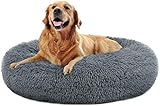
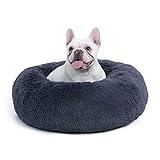
Donut dog beds are a type of bed that is designed to provide comfort and support to dogs. They are shaped like a doughnut, with a plush, supportive center and a soft, cosy outer rim.
Some of the benefits of donut dog beds include:
Comfort: The plush centre of the bed provides excellent support and comfort for dogs, reducing pressure on joints and muscles.
Support: The high walls of the bed provide extra support for dogs, helping them feel secure and cosy.
Warmth: Donut dog beds can help keep dogs warm, which can be especially beneficial for dogs with joint pain or other health issues.
Easy to Clean: Many donut dog beds are made with removable and washable covers, making it easy to keep the bed clean and hygienic.
Stylish: Donut dog beds come in a variety of colours and styles, making it easy to find one that matches your home decor.
When choosing a donut dog bed, consider the size of your dog, their individual needs and preferences, and the amount of space you have available in your home. Additionally, choose a bed that is made with high-quality materials and is easy to clean and maintain.
[60cm/80cm/90cm/110cm SIZE CHOICE] : 60x45cm calming dog bed for small dogs or puppies up to 11kg; 80x60cm donut bed for medium dogs up to 15kg; 90x70cm plush bed for pets up to 24kg; 110x85cm large dog bed for large dogs up to 45kg. 20cm raised rim have enough support for your pet head, enough height give them a sense of security.
[100% QUALITY MATERIAL] : Faux fur donut dog bed is made of durable nylon and luxurious faux fur combine, quality PP fiber filled makes it more comfortable and breathable. 100% safe and quality materials, super soft and self-warming, please choose a superior dog bed for your pets.
[EASY CARE] : Our donut cuddler dog bed is machine washable, and friendly in dryer to minimizing pet odor and unwanted hair, but hand washing will extend the life of the donut bed. NOTE: The calming bed no zippers and no removable cover, please throw the whole bed in machine.
[FRIENDLY DESIGN] : Donut circular design allows your pet to curl up completely which friendly to pet rest (agree with the sleeping habits), raised rim give your pet head enough support and a sense of security, sufficient padding on the bottom and sides has a good soothing effect on joints.
MULTIPLE SIZES】 Dog bed suitable for small/medium/large dogs and cats. L:60*45*19cm (for pets up to 11kg), XL:80*60*19cm (for pets up to 15kg), XXL:90*70*19cm (for pets up to 24kg), XXXL:110*85*19cm (for pets up to 45kg) , please choose the most suitable pet bed according to the size table and actual size
【PET-SAFE MATERIALS】 Plush donut Pet bed is made of durable nylon and luxurious faux fur. The super soft filling puts no added pressure on your friend’s joints, which offering joint and muscle pain relief. Body Relaxing is especially important for medium and large dogs.
【ANTI ANXIETY】 The raised rim of calming pet bed creates a secure atmosphere to rest within. deep crevices will completely satisfy their instinct of curling up and sprawl for snoozing, which will bring deeper sleep!
【EASY TO CLEAN & MAINTAIN】 Our pet bed can completely machine washable. The cover is not removable, Just put it in the washer when you want to clean it ( Hand wash or machine wash on gentle cycle. Tumble dry, low heat).
【High-quality Dog Beds】 Our dog bed is vacuum packed, Just pat, shake and put it for 1-2 days when you open the package to make it back to fluffy status! If you have any suggestions or concerns about our dog beds, please feel free to contact us and provide messaging services on our seller page.
The plush fabric enables your pet to snuggle down into the ultra-soft donut bed at ease and savor a pleasant warmth in winter
Bolsters around the donut bed make the small dog bed a luxurious bed both functional and stylish
Comfort and Superb plush material of the donut dog bed helps a tight and sound sleep, advancing better health and moods
The donut design and grey colour dog doughnut bed compete with a perfect design fitting any room styles
We deliver the very bed for pets in small size (50×50cm), medium (60×60cm)
Benefits of a Donut Bed for Dogs
Donut beds for dogs are becoming increasingly popular among pet owners. These beds have a circular shape with a raised edge that creates a donut-like shape, hence the name. Donut beds provide a cozy and comfortable sleeping environment for dogs, and they offer a variety of benefits, including:
Security and comfort: The raised edges of a donut bed provide a sense of security and comfort for dogs. The cushioned walls create a cozy and safe sleeping area that can help to reduce anxiety and promote relaxation.
Support: Donut beds are designed to provide support for dogs’ bodies. The raised edges offer support for their neck, back, and hips, which can be especially beneficial for older dogs or dogs with joint pain.
Warmth: Donut beds are often made with plush materials that provide warmth and insulation. This can be especially beneficial for dogs that tend to get cold easily, such as small breeds or dogs with thin fur.
Versatility: Donut beds come in a variety of sizes and materials, making them a versatile option for dogs of all breeds and sizes. They can be used in a variety of settings, such as in a crate, in a car, or as a standalone bed.
Easy to clean: Many donut beds come with removable covers that are easy to wash and clean. This makes it easy to keep the bed clean and hygienic, which is especially important for dogs with allergies or sensitivities.
Aesthetically pleasing: Donut beds are available in a variety of colors and designs, so they can be a stylish addition to your home décor. They can be used as a statement piece or blended in with your existing furniture.
In summary, donut beds for dogs offer a range of benefits that can help to promote comfort, relaxation, and overall well-being for your furry friend. They provide a sense of security, support, warmth, and versatility, and are easy to clean and maintain. If you’re in the market for a new dog bed, consider a donut bed as a cozy and stylish option for your furry companion.
Pets with arthritis need a bed that provides extra comfort and support to alleviate their joint pain and discomfort. The following are some of the best pet beds for pets with arthritis:
Orthopedic Dog Beds: Orthopedic dog beds are designed specifically for pets with joint issues, offering superior support and comfort. They often feature high-density memory foam that conforms to a pet’s body and reduces pressure on joints.
Raised Dog Beds: Raised dog beds have a elevated platform that helps reduce the amount of stress placed on joints when getting in and out of bed.
Bolster Dog Beds: Bolster dog beds have high sides that provide extra support and comfort for pets with arthritis. They also help keep pets warm and cosy, which can be especially beneficial for pets with arthritis.
Donut Dog Beds: Donut dog beds are shaped like a doughnut and have a plush, supportive center. This type of bed provides excellent comfort and reduces pressure on joints.
Heated Dog Beds: Heated dog beds provide extra warmth and comfort, which can help alleviate joint pain in pets with arthritis.
When choosing a bed for a pet with arthritis, consider the size of your pet, their individual needs and preferences, and the severity of their joint pain. Additionally, choose a bed that is easy to clean and maintain, to help keep your pet’s sleeping area hygienic.
Treatment for dogs with arthritis
Arthritis is a common condition that affects dogs, especially as they age. Here are some treatments that may help alleviate the symptoms of arthritis in dogs:
Medications: There are several medications available that can help relieve pain and inflammation associated with arthritis in dogs. These may include nonsteroidal anti-inflammatory drugs (NSAIDs), corticosteroids, and analgesics.
Weight management: Carrying extra weight can put additional strain on a dog’s joints, exacerbating arthritis symptoms. Maintaining a healthy weight through a balanced diet and exercise can help reduce pain and improve mobility.
Physical therapy: Physical therapy can help improve joint mobility and strengthen the muscles surrounding the affected joint. This may include range-of-motion exercises, massage, and hydrotherapy.
Joint supplements: Glucosamine and chondroitin supplements can help support joint health and reduce inflammation. Omega-3 fatty acids may also help reduce inflammation in dogs with arthritis.
Environmental modifications: Simple modifications to your dog’s environment can help make daily activities easier for them. This may include providing a soft bed, raised food and water dishes, and a ramp or steps to help your dog navigate stairs or get in and out of a car.
It’s important to work with your veterinarian to develop a treatment plan that is tailored to your dog’s individual needs. Arthritis is a progressive condition, and early intervention and ongoing management can help slow the progression of the disease and improve your dog’s quality of life.
Memory foam pet beds provide several benefits for pets, including:
Comfort: Memory foam conforms to a pet’s body shape, providing excellent support and reducing pressure on joints, muscles, and bones.
Improved Sleep Quality: Memory foam helps distribute a pet’s weight evenly, reducing the risk of pain and discomfort during sleep, and promoting deeper, more restful sleep.
Relief from Arthritis and Joint Pain: The supportive nature of memory foam can help relieve pressure and reduce pain and discomfort in pets with arthritis and other joint issues.
Durability: Memory foam is a durable material that is resistant to wear and tear and can last longer than other types of bedding materials.
Easy to Clean: Memory foam pet beds are often covered in removable and washable covers, making it easy to keep them clean and hygienic.
Thermoregulation: Memory foam helps regulate a pet’s body temperature, keeping them warm in colder weather and cool in hot weather.
In conclusion, a memory foam pet bed can provide several benefits for pets, including improved comfort, sleep quality, and joint health. When choosing a memory foam pet bed, make sure to consider the size of your pet and their individual needs to ensure a good fit.
What makes memory foam a good choice for pet beds?
Memory foam is often considered a good choice for pet beds for several reasons:
Comfort: Memory foam is known for its ability to conform to the shape of an individual’s body, which can provide a comfortable sleeping surface for pets. This can be especially beneficial for pets with joint pain or other health issues that make it difficult to get comfortable on a traditional pet bed.
Support: The density of memory foam can provide support for pets by evenly distributing their weight and reducing pressure points. This can help alleviate joint pain and improve overall comfort.
Durability: Memory foam is a durable material that can withstand regular use and is less likely to flatten or lose its shape over time compared to other materials used in pet beds.
Hygiene: Memory foam is easy to clean and can be resistant to dust mites, which can be beneficial for pets with allergies or respiratory issues.
Safety: High-quality memory foam products are often made with non-toxic materials and do not contain harmful chemicals that could be harmful to pets.
Overall, memory foam can be a good choice for pet beds because it provides comfort, support, durability, hygiene, and safety, which can help improve the overall quality of life for pets.
Is memory foam toxic to pets?
Memory foam itself is not toxic to pets, but some memory foam products may contain chemicals that could be harmful to animals if ingested or inhaled.
Memory foam is made from polyurethane foam, which is a synthetic material that can emit volatile organic compounds (VOCs) as it breaks down over time. Some of these VOCs can be harmful to pets if they are exposed to high levels of them over a long period of time.
Additionally, some memory foam products may contain fire retardants or other chemicals that could be toxic to pets if ingested or inhaled. It is important to check the label and research the specific memory foam product you are considering to make sure it does not contain any harmful chemicals.
To ensure the safety of your pets, it is best to provide them with a comfortable and safe sleeping area that is made from natural and non-toxic materials, such as organic cotton or wool. If you do choose to use a memory foam product, be sure to monitor your pet’s behaviour and health to ensure they are not experiencing any adverse reactions.
Can memory foam be recycled?
Memory foam can be recycled, but it can be more challenging than recycling other materials due to its composition.
Memory foam is made of polyurethane foam, which is a type of plastic that does not biodegrade easily. However, there are recycling facilities that specialize in recycling polyurethane foam, including memory foam.
The recycling process typically involves shredding the memory foam into small pieces and then using heat and chemicals to break down the foam into its original components, which can then be used to make new products. The resulting material can be used for a variety of purposes, such as insulation, carpet padding, or even new memory foam products.
It’s worth noting that not all recycling facilities accept memory foam, so it’s important to check with your local recycling centre to see if they accept this type of material. Additionally, some memory foam products may contain chemicals that could complicate the recycling process, so it’s important to check the label and research the specific product before attempting to recycle it.
Overall, while recycling memory foam can be challenging, it is possible to recycle this material and give it a new life rather than contributing to landfill waste.
Discover the Secret to Choosing the Perfect Material for Your Cat’s Bed
The best material for a cat bed can vary depending on the individual cat’s preferences and needs. Some common materials for cat beds include:
Plush Fabric: Soft, plush fabric is a popular choice for cat beds, as it provides a comfortable and cozy place for cats to rest.
Fleece: Fleece is another popular option, as it is soft, warm, and comfortable.
Memory Foam: Memory foam is a good choice for older cats or those with joint pain, as it provides excellent support and cushioning.
Microfiber: Microfiber is a synthetic fabric that is soft, warm, and easy to clean.
Synthetic sheepskin: Synthetic sheepskin provides a soft, plush surface for cats to rest on, and it’s also hypoallergenic.
When choosing a bed for your cat, consider their individual needs, such as their size and comfort preferences, as well as their age and health. Additionally, choose a bed that is easy to clean and maintain, to help keep your cat’s sleeping area hygienic.
Cats are notorious for their love of sleeping, and a comfortable bed is essential for them to get the rest they need. As such, choosing the right material for a cat bed is crucial to ensure that your furry friend is happy and comfortable. In this article, we will explore the best materials for cat beds and the reasons why they are ideal.
Soft plush
Soft plush material is one of the most popular choices for cat beds. This material is incredibly soft and provides excellent warmth, making it ideal for cold environments. It also offers a comfortable place for your cat to rest, especially if they have arthritis or other joint problems.
Soft plush material is usually made of polyester or acrylic fibres. These fibres are lightweight, durable, and hypoallergenic, making them safe for cats with allergies or sensitive skin. Additionally, this material is easy to clean and maintain, and most models are machine washable.
Memory foam
Memory foam is a relatively new material that has become increasingly popular in cat beds. This material is highly comfortable and provides excellent support for your cat’s joints and muscles. Memory foam is also known for its ability to retain heat, making it ideal for colder environments.
The foam works by contouring to your cat’s body shape, providing customized support and comfort. This helps reduce pressure points and provides a comfortable surface for your cat to rest on. Memory foam cat beds are also easy to clean, and most models come with a removable and washable cover.
Natural fibres
Natural fibres such as wool, cotton, and bamboo are excellent materials for cat beds. These materials are highly breathable, allowing air to circulate and keep your cat cool in warmer environments. They are also soft and gentle on your cat’s skin, making them ideal for cats with allergies or sensitive skin.
Wool is a popular choice as it is naturally antimicrobial, repels water, and is highly durable. Cotton is also a great choice as it is soft, lightweight, and easy to clean. Bamboo is a sustainable and eco-friendly option that is naturally odor-resistant and hypoallergenic.
Faux fur
Faux fur is another popular material for cat beds. This material is incredibly soft and fluffy, providing a luxurious surface for your cat to rest on. It is also highly durable and can withstand scratches and bites from your furry friend.
Faux fur is usually made of polyester fibers that mimic the texture and feel of real fur. It is easy to clean and maintain, and most models are machine washable. Additionally, this material is hypoallergenic and safe for cats with sensitive skin.
Microfiber
Microfiber is a synthetic material that is becoming increasingly popular for cat beds. This material is highly absorbent, making it ideal for cats who tend to drool or have accidents. It is also soft and gentle on your cat’s skin, making it ideal for cats with allergies or sensitive skin.
Microfiber is usually made of polyester or nylon fibres that are woven together to create a soft and durable surface. This material is easy to clean and maintain, and most models are machine washable. Additionally, it is hypoallergenic and safe for cats with allergies.
So, what is the best material for a cat bed?
The best material for a cat bed depends on your cat’s needs and preferences. Soft plush, memory foam, natural fibres, faux fur, and microfiber are all great options that provide comfort, support, and warmth.
If your cat tends to get cold easily, soft plush or memory foam may be the best options. These materials provide excellent warmth and comfort, making them ideal for colder environments.
If your cat has allergies or sensitive skin, natural fibers such as wool, cotton, or bamboo may be the best choice. These materials are hypoallergenic and gentle on your cat’s skin, making them ideal for cats with skin sensitivities.
If your cat loves to snuggle up in a warm and cozy bed, faux fur may be the best choice. This material provides a soft and fluffy surface for your cat to rest on and can keep them warm and comfortable.
Finally, if your cat tends to have accidents or drools, microfiber may be the best option. This material is highly absorbent and easy to clean, making it ideal for cats who need a bed that can withstand spills and accidents.
It’s also important to consider the size of the cat bed and the shape. Cats like to feel cozy and secure when they sleep, so a bed that is too big may not provide the same level of comfort as one that is just the right size. Additionally, some cats prefer beds with raised edges or hoods that provide a sense of security and privacy.
Conclusion
There is no one “best” material for a cat bed. It ultimately depends on your cat’s individual needs and preferences. However, soft plush, memory foam, natural fibers, faux fur, and microfiber are all great options that can provide comfort, support, and warmth. Additionally, it’s important to consider the size and shape of the bed to ensure that your cat feels secure and comfortable.
Whether or not dogs should share a dog bed can depend on several factors, including their individual personalities and behaviour, as well as their health and hygiene.
It’s best to provide them with beds that are appropriately sized for each of them, to ensure that they are both comfortable.
When you have multiple dogs in your household, it’s important to consider their individual sizes when selecting their beds. Dogs come in all shapes and sizes, and a bed that is too big or too small can be uncomfortable or even harmful to your pet’s health.
If you have dogs of different sizes, it’s crucial to provide them with beds that are appropriately sized for each of them. This ensures that they are both comfortable and can rest properly without any discomfort or strain.
For smaller dogs, it’s best to choose beds that are designed for their size. These beds are typically smaller in size and provide a cosy and comfortable spot for your small dog to rest. Some beds may even come with raised edges or hoods that provide a sense of security and privacy, which is essential for smaller dogs that may feel vulnerable.
For larger dogs, it’s important to choose a bed that is appropriately sized to accommodate their larger frames. Larger dogs require more space to stretch out comfortably, and a bed that is too small may cause them to feel cramped and uncomfortable. Additionally, larger dogs may require beds that offer more support to their joints and muscles to ensure their overall health and wellbeing.
When selecting beds for dogs of different sizes, it’s essential to consider their sleeping habits as well. Some dogs may prefer to curl up while they sleep, while others may stretch out. Make sure to choose a bed that provides enough space for your dog to sleep in their preferred position comfortably.
It’s also important to consider the materials used in the bed. Some materials may be better suited for certain breeds or sizes of dogs. For example, memory foam beds may be more suitable for larger dogs that require more support for their joints and muscles, while softer materials such as plush or faux fur may be more comfortable for smaller dogs.
In addition to selecting the appropriate bed size and material, it’s essential to regularly clean and maintain the beds to ensure your dogs’ health and hygiene. Dogs can shed and drool, which can create a breeding ground for bacteria and other harmful organisms. Regularly washing and cleaning the beds can help prevent the spread of disease and ensure that your dogs remain healthy and comfortable.
In conclusion, providing appropriately sized beds for dogs of different sizes is essential for their overall health and wellbeing. Choosing beds that are designed to accommodate your dog’s size and sleeping habits can help ensure that they rest comfortably and properly. It’s also important to consider the materials used in the beds and to regularly clean and maintain them to ensure your dogs‘ health and hygiene. By taking these steps, you can help ensure that your dogs remain happy, healthy, and comfortable throughout their lives.
It’s also important to consider hygiene
When deciding whether or not dogs should share a bed. If one dog has an infection or other health condition, it may be best to keep them separated to prevent the spread of illness.
Dogs are prone to various health conditions, and some of these can be contagious. Sharing a bed with a sick or infected dog can put other dogs in the household at risk of contracting the illness. As a responsible pet owner, it’s important to take steps to protect your dogs’ health and prevent the spread of disease.
When one dog is sick or has an infection, it may be best to keep them separated from other dogs in the household. This can help prevent the spread of illness and protect the health of other dogs in the household. Even if a sick dog appears to be improving, it’s important to wait until they are fully recovered before allowing them to share a bed with other dogs.
In addition to illnesses, dogs can also carry parasites such as fleas, ticks, and mites. These parasites can easily spread from one dog to another, especially when they share a bed or other close quarters. Regularly checking your dogs for signs of parasites and treating them promptly can help prevent the spread of these pests.
Even if all dogs in the household are healthy, it’s still important to maintain good hygiene when it comes to dog beds. Dogs can shed hair, drool, and sometimes have accidents on their beds, creating a breeding ground for bacteria and other harmful organisms. Regularly washing and cleaning the beds can help prevent the spread of disease and ensure that your dogs remain healthy and comfortable.
If you do decide to allow your dogs to share a bed, it’s important to monitor their behaviour and interactions. Some dogs may become possessive or territorial over their sleeping space, which can lead to fights or other aggressive behaviour. Additionally, dogs may have different sleeping habits or preferences, which can cause conflict if they are forced to share a bed.
Overall, it’s important to weigh the pros and cons of allowing dogs to share a bed and to take steps to protect their health and wellbeing. If one dog is sick or has an infection, it’s best to keep them separated to prevent the spread of illness. Regularly washing and cleaning dog beds can help prevent the spread of disease and ensure that your dogs remain healthy and comfortable. By taking these steps, you can help ensure that your dogs remain happy, healthy, and comfortable throughout their lives.
Ultimately, the decision of whether or not dogs should share a bed will depend on the individual dogs and their specific needs. Observing their behaviour and providing them with beds that meet their needs can help ensure that they are both comfortable and happy.
Deciding whether or not dogs should share a bed ultimately comes down to your personal preference and your individual dogs’ needs. Some dogs may prefer to sleep alone, while others may enjoy the comfort of snuggling up with their canine companions.
When considering whether or not to allow dogs to share a bed, it’s important to observe their behaviour and interactions. Some dogs may become possessive or territorial over their sleeping space, which can lead to fights or other aggressive behaviour. Additionally, dogs may have different sleeping habits or preferences, which can cause conflict if they are forced to share a bed.
Providing each dog with their own bed can help prevent these conflicts and ensure that they have a comfortable space to rest. This is especially important if you have dogs of different sizes or breeds, as each dog may have different needs and preferences when it comes to sleeping.
If you do decide to allow dogs to share a bed, it’s important to monitor their behaviour and interactions. You should also make sure that the bed is large enough to accommodate all dogs comfortably and that each dog has enough space to stretch out and move around without disturbing the others.
Ultimately, the decision of whether or not dogs should share a bed will depend on the individual dogs and their specific needs. Some dogs may be perfectly content sleeping alone, while others may prefer the comfort of snuggling up with their canine companions. Observing their behaviour and providing them with beds that meet their needs can help ensure that they are both comfortable and happy.
It’s also important to consider your own needs and preferences when it comes to sharing a bed with your dogs. Some people may enjoy the comfort and companionship of sleeping with their pets, while others may prefer to have their own space. If you have allergies or are sensitive to pet dander, it may be best to avoid sharing a bed with your dogs altogether.
Conclusion
the decision of whether or not dogs should share a bed ultimately comes down to personal preference and the needs of your individual dogs. By observing their behavior, providing them with appropriate bedding, and monitoring their interactions, you can help ensure that your dogs are both comfortable and happy. Whether you choose to allow your dogs to share a bed or provide them with their own individual sleeping spaces, the most important thing is to prioritize their health and wellbeing.