electric plug in wall socket

How long can a heated pet bed be plugged in?

Discover How Long a Heated Pet Bed Can Stay Plugged In Before it Becomes Unsafe for Your Furry Friend!

How long can a heated pet bed be plugged in? Heated pet beds are a popular accessory for pet owners looking to provide their furry companions with a cosy and comfortable place to rest. These beds come in a variety of shapes and sizes, and they can be plugged into an electrical outlet to provide warmth for your pet during the colder months of the year.

One of the most common questions pet owners have when it comes to using heated pet beds is how long they can be plugged in for. While it’s important to provide your pet with the warmth and comfort they need, it’s also important to ensure that the bed is used safely and that you’re not putting your pet at risk by leaving it plugged in for too long.

The answer to how long a heated pet bed can be plugged in for will depend on several factors, including the type of bed, the size of the bed, and the temperature setting you’re using. In general, it’s recommended that you follow the manufacturer’s instructions and guidelines for use, and that you monitor your pet’s behaviour and comfort level when using a heated bed.

[amalinkspro_table id=”6754″ aff-id=”undefined” new-window=”on” nofollow=”on” addtocart=”off” /]

Here are some general guidelines to follow when using a heated pet bed:

  1. Follow the manufacturer’s instructions

The first and most important step in using a heated pet bed safely is to read and follow the manufacturer’s instructions. These instructions will provide important information on how to use the bed safely and effectively, including how long it can be plugged in for and what temperature settings are recommended.

  1. Monitor your pet’s behaviour

When using a heated pet bed, it’s important to monitor your pet’s behaviour and comfort level. If your pet seems restless, uncomfortable, or too warm, you may need to adjust the temperature or turn the bed off. Likewise, if your pet seems to be avoiding the bed or seems to be overheating, you may need to unplug the bed and allow it to cool down before using it again.

  1. Use a timer

To help ensure that your pet’s bed isn’t left plugged in for too long, you may want to use a timer. This will allow you to set a specific amount of time for the bed to be on, after which it will automatically turn off. This can be especially helpful if you’re using the bed while you’re away from home or during the night when you’re sleeping.

  1. Consider the temperature setting

The temperature setting you use on your pet’s bed will also impact how long it can be safely plugged in for. In general, it’s recommended that you use a lower temperature setting and monitor your pet’s behaviour to ensure that they’re comfortable and not overheating. Some heated pet beds come with multiple temperature settings, allowing you to adjust the heat as needed.

  1. Check the bed regularly

It’s important to regularly check your pet’s bed for any signs of damage or wear and tear. If the bed is damaged or has any exposed wires, it should be replaced immediately. Additionally, you should regularly check the bed’s cord and plug to ensure that they’re in good condition and not frayed or damaged.

In general, a heated pet bed can be safely plugged in for several hours at a time, as long as you’re following the manufacturer’s instructions and monitoring your pet’s behavior. However, it’s important to remember that every pet is different, and you may need to adjust the bed’s temperature or usage based on your pet’s individual needs.

If you’re unsure about how long your pet’s bed can be safely plugged in for, or if you have any concerns about its use, it’s always a good idea to consult with your veterinarian. Your veterinarian can provide personalized advice and guidance on how to use a heated pet bed safely and effectively, based on your pet’s age, breed, and health status.

How warm does a pet bed get?

The warmth level of a pet bed will depend on several factors, including the type of bed, the heating element, and the temperature settings. In general, heated pet beds are designed to provide a comfortable and safe level of warmth for pets, without overheating or causing discomfort.

Most heated pet beds will have adjustable temperature settings that allow you to control the amount of warmth your pet receives. These settings may range from low to high, or may have specific temperature ranges that are safe and comfortable for pets. Some beds may also have automatic shut-off features that turn the heating element off after a certain amount of time, to prevent overheating or fire hazards.

The temperature range of a heated pet bed can also vary depending on the type of heating element used. Some beds use electric heating pads or coils, while others use a gel-based heating system. The type of heating element used can affect how warm the bed gets, as well as how evenly the heat is distributed throughout the bed.

In general, a heated pet bed should feel warm and cosy to the touch, but not hot enough to cause discomfort or burns. It’s important to monitor your pet’s behaviour and comfort level when using a heated bed, especially if your pet has health conditions that may affect their sensitivity to temperature changes.

It’s also important to ensure that the heated pet bed is used safely and responsibly. Always follow the manufacturer’s instructions and guidelines for use, and never leave your pet unattended while using a heated bed. Keep the bed away from any flammable materials, and avoid using it near water or moisture.

Additionally, it’s important to consider the ambient temperature of the room when using a heated pet bed. If the room is already warm or if the bed is used in a small and enclosed space, it may not be necessary to use the heating element at its highest setting. Conversely, if the room is very cold or if your pet is particularly sensitive to temperature changes, you may need to adjust the temperature setting accordingly.

In general, a heated pet bed should provide a safe and comfortable level of warmth for pets, without causing overheating or discomfort. By following the manufacturer’s instructions for use and monitoring your pet’s behaviour and comfort level, you can ensure that your pet stays warm and cosy throughout the colder months of the year.

In conclusion

A heated pet bed can be a great way to provide your pet with the warmth and comfort they need, especially during the colder months of the year. Not only can a heated bed help keep your pet cosy and relaxed, but it can also provide therapeutic benefits for pets with arthritis or other joint problems.

Additionally, using a heated pet bed can help reduce your pet’s energy consumption during the winter months. This is because a warm and comfortable bed can help keep your pet’s body temperature stable, meaning they may not need to use as much energy to keep warm. This can be especially helpful for older pets or pets with health conditions that make it more difficult for them to regulate their body temperature.

Another benefit of using a heated pet bed is that it can help reduce your pet’s stress levels. Many pets find comfort in having a warm and cosy place to rest, especially if they’re feeling anxious or nervous. By providing your pet with a heated bed, you can help create a calming environment that promotes relaxation and well-being.

It’s important to note that while a heated pet bed can provide many benefits for your pet, it’s still important to use it safely and responsibly. Always follow the manufacturer’s instructions and guidelines for use, and monitor your pet’s behaviour and comfort level when using a heated bed. If you have any concerns about your pet’s health or well-being, or if you’re unsure about how to use a heated pet bed safely, consult with your veterinarian.

Overall, a heated pet bed can be a wonderful addition to your pet’s environment, providing them with the warmth, comfort, and relaxation they need to stay happy and healthy. With proper use and care, a heated pet bed can be a valuable investment in your pet’s well-being and quality of life.
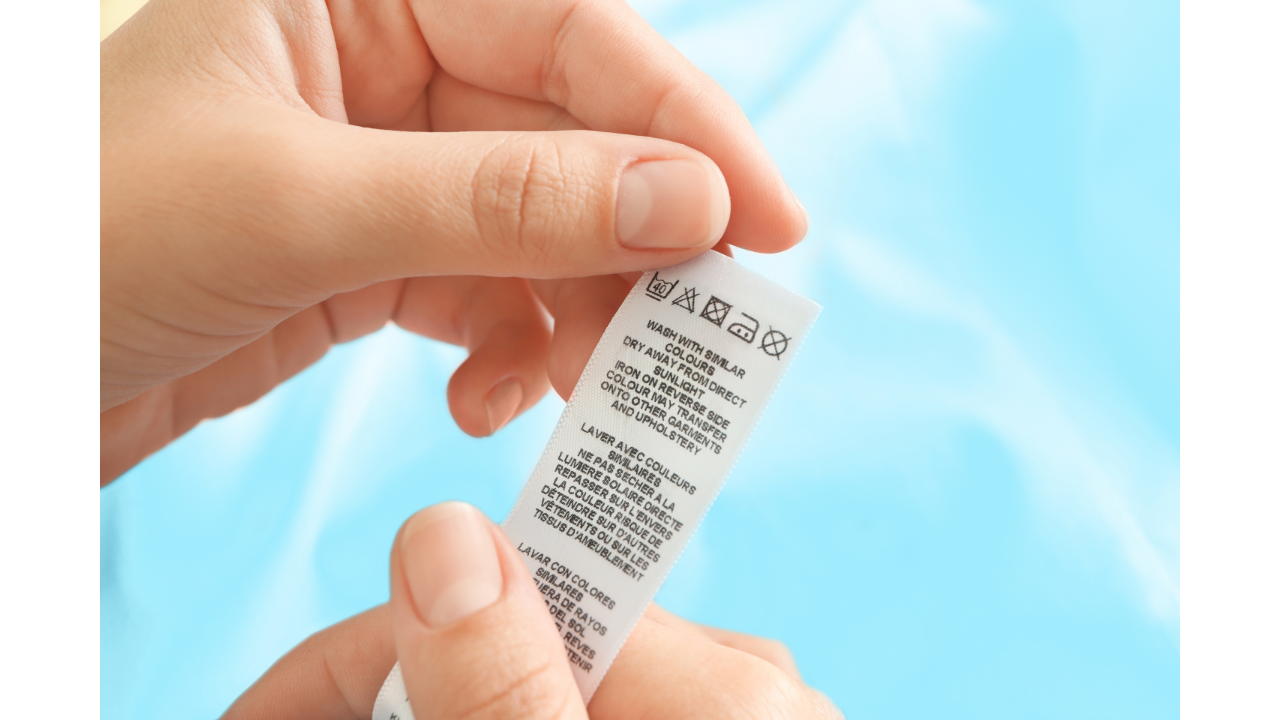
washing label showing washing instructions

Can I wash a heated pet bed?

Can You Wash a Heated Pet Bed? Get the Inside Scoop!

Can I Wash A Heated Pet Bed? Heated pet beds are a popular accessory for pet owners who want to provide their furry companions with a warm and cosy place to rest. These beds come in a variety of sizes and shapes and are designed to be plugged into an electrical outlet to provide warmth and comfort for your pet.

One question that many pet owners have when it comes to using a heated pet bed is whether or not they can be washed. While it’s important to keep your pet’s bed clean and hygienic, it’s also important to ensure that you’re cleaning it properly and not damaging the heating element or electrical components.

The answer to whether or not you can wash a heated pet bed will depend on several factors, including the type of bed, the materials it’s made of, and the manufacturer’s instructions. In general, it’s important to follow the manufacturer’s recommendations for cleaning and care to ensure that the bed is kept clean and safe for your pet to use.

Understanding Heated Pet Beds


Before we answer the question of whether or not you can wash a heated pet bed, it is important to understand how these beds work. A heated pet bed is designed to provide warmth and comfort to your pet by generating heat through an internal heating element. This element is usually located underneath the bed’s surface and is designed to maintain a constant temperature to keep your pet warm and cozy.

Types of Heated Pet Beds

There are different types of heated pet beds available in the market, including electric and self-warming beds. Electric beds require an electrical outlet to operate and usually come with a cord that needs to be plugged in. Self-warming beds, on the other hand, do not require any electricity and use your pet’s body heat to provide warmth.

Can You Wash a Heated Pet Bed?

The answer to this question depends on the type of heated pet bed you have. Self-warming beds are usually machine washable and can be washed on a gentle cycle using mild detergent. However, it is important to check the manufacturer’s instructions before washing to ensure that you do not damage the bed’s heating element.

Electric heated pet beds, on the other hand, are not usually machine washable. These beds usually come with a detachable cover that can be washed separately. However, it is important to avoid washing the heating element as this can damage it and pose a risk to your pet’s safety.

Cleaning Your Heated Pet Bed

Regardless of the type of heated pet bed you have, it is important to keep it clean to ensure your pet’s health and safety. Here are some tips for cleaning your heated pet bed:

  1. Read the manufacturer’s instructions: Before cleaning your heated pet bed, always read the manufacturer’s instructions. These instructions will provide you with specific information on how to clean the bed without damaging its heating element.
  2. Remove any loose debris: Start by removing any loose debris, such as pet hair or dirt, from the bed’s surface. You can use a soft brush or vacuum cleaner to do this.
  3. Spot clean any stains: If there are any stains on the bed’s surface, you can spot clean them using a mild detergent and warm water. Be sure to rinse the bed thoroughly and allow it to air dry completely before using it again.
  4. Wash the cover: If your heated pet bed comes with a detachable cover, you can wash it separately according to the manufacturer’s instructions. Be sure to use a gentle cycle and mild detergent and avoid using bleach or fabric softener.
  5. Do not submerge the bed: It is important to avoid submerging the bed in water as this can damage its heating element and pose a risk to your pet’s safety.

Here are some general guidelines to follow when it comes to washing a heated pet bed:


  1. Check the manufacturer’s instructions

The first and most important step in cleaning a heated pet bed is to check the manufacturer’s instructions. These instructions will provide important information on how to clean the bed safely and effectively, including whether or not it’s safe to wash the bed, what cleaning products to use, and how to avoid damaging the heating element or electrical components.

  1. Remove the heating element

If it’s safe to wash your pet’s bed, the next step is to remove the heating element. This will ensure that it doesn’t get damaged during the washing process and that it’s not exposed to water or moisture.

  1. Use a gentle cycle

When washing your pet’s bed, it’s important to use a gentle cycle and avoid using hot water or harsh detergents. This will help protect the bed’s materials and prevent any damage or shrinkage. Additionally, you may want to consider using a mild, pet-safe detergent to avoid any potential skin irritation or allergic reactions.

  1. Air dry the bed

After washing your pet’s bed, it’s important to let it air dry completely before using it again. This will help prevent any damage to the heating element or electrical components and ensure that the bed is safe and ready for your pet to use. Avoid using a dryer or exposing the bed to direct sunlight, as this can cause damage or shrinkage to the bed’s materials.

  1. Check for damage

After washing and drying your pet’s bed, it’s important to check for any signs of damage or wear and tear. If the bed’s materials are damaged or if the heating element is not working properly, you should replace the bed immediately to ensure your pet’s safety and comfort.

It’s important to note that not all heated pet beds can be washed, and some may require special cleaning methods or materials. Additionally, it’s important to avoid using any cleaning products or methods that may damage the heating element or electrical components, as this can pose a safety hazard for your pet.

If you’re unsure about whether or not you can wash your pet’s bed, or if you have any concerns about how to clean it safely and effectively, it’s always a good idea to consult with the manufacturer or your veterinarian. They can provide personalized advice and guidance on how to care for your pet’s bed and ensure that it’s kept clean and safe for your pet to use.

In conclusion


Whether or not you can wash a heated pet bed will depend on several factors, including the type of bed, the materials it’s made of, and the manufacturer’s instructions. If it’s safe to wash the bed, it’s important to follow the manufacturer’s recommendations for cleaning and care to ensure that the bed is kept clean and safe for your pet to use. If you’re unsure about how to clean your heated pet bed, it’s always a good idea to contact the manufacturer or consult with a veterinarian for guidance.

Some heated pet beds are designed with removable covers that can be machine washed or hand washed, while others may require spot cleaning or professional cleaning. It’s important to check the care instructions for your specific bed to determine the best method of cleaning.

If the bed does not have a removable cover, it may be necessary to clean the entire bed. However, it’s important to be cautious when cleaning a heated pet bed, as water and electricity can be a dangerous combination. Before attempting to clean the bed, make sure that it’s unplugged and that the heating element is removed or turned off.

If the bed is machine washable, use a gentle cycle and mild detergent. Avoid using harsh detergents, bleach, or fabric softeners, as these can damage the materials or affect the heating element. After washing, air dry the bed thoroughly before using it again.

If the bed is not machine washable, spot clean it using a mild detergent and a damp cloth. Be careful not to saturate the bed with water, as this can damage the heating element. After spot cleaning, allow the bed to air dry completely before using it again.

It’s important to regularly clean your pet’s heated bed to prevent the build-up of dirt, hair, and bacteria. This can help keep your pet healthy and comfortable, as well as extend the life of the bed.


Cleaning products for pet beds


[amalinkspro_table id=”5933″ aff-id=”thebootboutiq-21″ new-window=”on” nofollow=”on” addtocart=”on” /]


two dogs sharing a bed

Can Two dogs share one bed?

The Ultimate Debate: Can Two Dogs Cosy Up in One Bed

Can Two dogs share one bed? Dogs are social animals, and many of them enjoy being close to their owners or other dogs. It’s not uncommon for dog owners to wonder if two dogs can share one bed. While some dogs may enjoy sharing a bed with another dog, others may prefer to have their own space.

In this article, we’ll explore the benefits and challenges of having two dogs share one bed and provide tips on how to make it work.

Benefits of Two Dogs Sharing One Bed

One of the primary benefits of having two dogs share one bed is that it can help strengthen the bond between the dogs. Dogs are pack animals, and sharing a bed can provide them with a sense of security and comfort. This can be especially beneficial for dogs that suffer from separation anxiety or other behavioural issues.

Sharing a bed can also help reduce loneliness and boredom, as the dogs can keep each other company and provide a source of entertainment for each other. Additionally, sharing a bed can help reduce the amount of time dogs spend pacing or whining, as they feel more secure and comfortable with a companion by their side.

Sharing a bed with two dogs can also have some benefits for both the dogs and their owners. These include:

  1. Bonding: Sharing a bed with two dogs can strengthen the bond between them and their owners. It can create a sense of closeness and comfort, which can lead to a stronger emotional connection.
  2. Comfort: Dogs are social animals and often feel comforted when they are close to their family members. Sharing a bed with two dogs can provide a sense of security and comfort that can help reduce anxiety and stress.
  3. Heat: Dogs are warm-blooded animals and can help keep each other warm during colder months. Sharing a bed with two dogs can provide additional warmth and comfort, which can be particularly beneficial for smaller or older dogs.
  4. Ease of training: If one dog is still in the process of being trained, sharing a bed with another dog can provide additional support and encouragement. The trained dog can serve as a role model and help the untrained dog learn good habits and behaviors.
  5. Convenience: Sharing a bed with two dogs can be more convenient than having separate beds for each dog. It can save space, time, and money on bedding and accessories.
  6. Reducing Separation anxiety: Separation anxiety can be a common issue in dogs, particularly when their owners are away from home. Sharing a bed with another dog can provide a sense of companionship and reduce the risk of anxiety and stress.

Overall, sharing a bed with two dogs can have several benefits, including strengthening the bond between dogs and their owners, providing additional comfort and warmth, and making training and convenience easier. It’s important to consider the challenges that come with sharing a bed with two dogs and to address any issues that arise promptly. However, with proper training and management, sharing a bed with two dogs can be a positive experience for both dogs and their owners.

Challenges of Two Dogs Sharing One Bed

While there are many benefits to having two dogs share one bed, there are also some challenges to consider. One of the main challenges is space. Depending on the size of the bed and the size of the dogs, there may not be enough room for both dogs to comfortably sleep in the bed. This can result in one or both dogs feeling cramped or uncomfortable, which can lead to behavioural issues or sleep disturbances.

Sharing a bed with two dogs can present a few challenges that pet owners should be aware of. These include:

  1. Space: Depending on the size of the dogs and the bed, there may not be enough space for both dogs to comfortably sleep. This can lead to one or both dogs feeling cramped and uncomfortable, which can lead to behavioural issues or sleep disturbances.
  2. Aggression: Some dogs can become territorial over their sleeping space and may become aggressive if another dog tries to share their bed. Similarly, if one dog is more dominant than the other, they may try to claim the entire bed for themselves, leaving the other dog without a place to sleep.
  3. Hygiene: Sharing a bed with two dogs can lead to hygiene issues, as dogs can shed hair and dander, drool, and sometimes have accidents. This can make the bed dirty and unpleasant to sleep in.
  4. Sleep disturbance: Some dogs may be restless sleepers and move around a lot during the night. This can lead to the other dog being woken up or disturbed, leading to sleep disturbance for both dogs.
  5. Behavioural issues: Sharing a bed with two dogs can lead to behavioural issues if one or both dogs feel cramped or uncomfortable. This can lead to barking, whining, and other disruptive behaviours that can disturb the household’s sleep.

It’s important to be aware of these challenges when considering sharing a bed with two dogs. However, with proper training and management, many of these challenges can be minimized or avoided altogether. It’s important to ensure that each dog has enough space and their own designated sleeping area to avoid territorial issues. Regular cleaning and grooming can help keep the bed clean and hygienic, and addressing any behavioural issues as they arise can help ensure that both dogs are comfortable and happy.

If you’re considering having two dogs share one bed, there are several tips you can follow to help make it work:

  1. Choose the Right Bed: It’s important to choose a bed that is large enough to comfortably accommodate both dogs. Consider the size of your dogs and choose a bed that is large enough to give each dog enough space to move around and get comfortable.
  2. Introduce the Dogs Slowly: If your dogs are not used to sharing a bed, it’s important to introduce them slowly to avoid any potential aggression or dominance issues. Start by allowing them to sleep in the same room together, but in separate beds. Over time, gradually move their beds closer together until they are comfortable sharing a bed.
  3. Set Boundaries: To avoid any potential territorial or dominance issues, it’s important to set boundaries for your dogs. Teach them that the bed is a shared space and that they must respect each other’s personal space.
  4. Provide Separate Spaces: While it’s important for the dogs to share a bed, it’s also important to provide them with their own personal space. Consider adding a second bed or a crate to the room to give each dog a place to retreat to if they need some alone time.
  5. Monitor Their Behaviour: It’s important to monitor your dogs’ behaviour when they are sharing a bed to ensure they are getting along and not exhibiting any signs of aggression or dominance. If you notice any issues, it’s important to address them immediately to avoid any potential conflicts.

Conclusion

Overall, two dogs can share one bed, but it’s important to consider the individual needs and preferences of each dog. While some dogs may enjoy sharing a bed with another dog, others may prefer to have their own space. By following the tips outlined in this article, you can help ensure that your dogs are comfortable and happy sharing a bed together.

Dog sitting in washing machine

Can you wash foam dog bed?

Cleanliness is Next to Dogliness: How to Keep Your Pooch’s Bed Fresh

Can you wash foam dog bed? Yes, you can wash foam dog bed with care by following some simple steps. As a dog owner, you know how important it is to keep your furry friend’s bedding clean and fresh. One of the most popular choices for dog beds is foam beds, which provide comfort and support for your pet. However, cleaning foam dog beds can be a bit tricky, as you don’t want to damage the foam while trying to clean it. In this blog post, we’ll take a look at how to wash a foam dog bed safely and effectively.

Step 1: Check the care label

Before you start washing your dog’s foam bed, check the care label for any specific instructions. Some foam beds may have a removable cover that you can machine wash, while others may need to be hand-washed or spot cleaned. If there are no care instructions available, proceed with caution and use gentle cleaning methods.

Step 2: Remove any loose dirt and debris

Start by removing any loose dirt and debris from the foam bed. You can use a soft-bristled brush or a vacuum cleaner with a soft brush attachment to remove any dirt, hair, or debris. Be gentle while doing this, as you don’t want to damage the foam.

Step 3: Spot clean any stains

If there are any stains on the foam bed, spot clean them using a mild detergent and warm water. Mix the detergent with water and apply the solution to the stained area. Use a soft-bristled brush to gently scrub the area and then rinse with clean water. Be sure to remove all the detergent from the foam, as any residue can attract dirt and dust.

Step 4: Hand-wash or machine wash the cover

If the foam bed has a removable cover, you can either hand-wash it or machine wash it, depending on the care label instructions. Use a gentle detergent and cold water, and avoid using bleach or fabric softeners. Once the cover is washed, hang it to dry or tumble dry on a low heat setting.

Step 5: Air-dry the foam bed

Once the cover is washed and dried, it’s time to dry the foam bed. Avoid using a dryer, as the high heat can damage the foam. Instead, air-dry the foam bed by placing it in a well-ventilated area, out of direct sunlight. You can prop the bed up on its side to help it dry more quickly.

Conclusion

In conclusion, cleaning a foam dog bed requires a bit of care and attention, but it’s an important task to keep your pet’s bedding clean and fresh. By following the steps outlined in this blog post, you can safely and effectively wash your dog’s foam bed, and keep them happy and comfortable.

Pet stain removers


[amalinkspro_table id=”5919″ aff-id=”thebootboutiq-21″ new-window=”on” nofollow=”on” addtocart=”on” /]

Woman using washing conditioner in washing machine

Can you use fabric softener on dog beds?

The Truth About Using Fabric Softener on Dog Beds – Don’t Risk Your Furry Friend’s Health!

Can you use fabric softener on dog beds? Using fabric softener on dog beds is not recommended, as it can cause skin irritation and respiratory problems in dogs. Fabric softeners contain chemicals that coat the fibbers of fabric, making them feel softer and reducing static. However, these chemicals can also leave a residue on the fabric that can be harmful to dogs.

Here are some reasons why you should avoid using fabric softener on dog beds:

  1. Skin Irritation

Dogs have sensitive skin, and the chemicals in fabric softeners can cause skin irritation and allergies. Dogs may experience redness, itching, and even hair loss if they come into contact with fabric softener residue. Some dogs may be more sensitive than others, and even small amounts of fabric softener can cause a reaction.

  1. Respiratory Problems

Fabric softeners contain chemicals that are released into the air during the drying cycle. These chemicals can irritate the respiratory system of dogs and cause coughing, wheezing, and difficulty breathing. Prolonged exposure to fabric softener can lead to chronic respiratory problems in dogs.

  1. Toxicity

Some fabric softeners contain toxic chemicals that can be harmful if ingested by dogs. If a dog chews on a fabric softener sheet or ingests fabric softener residue, they may experience vomiting, diarrhoea, and other symptoms of toxicity. In severe cases, fabric softener can be fatal to dogs.

  1. Deterioration of Fabric

Using fabric softener on dog beds can also lead to the deterioration of the fabric over time. The chemicals in fabric softeners can weaken the fibres of the fabric, causing it to become thin, worn, and prone to tears. This can reduce the lifespan of the dog bed and make it less comfortable for your pet.

No products found.

Alternatives to Fabric Softener for Dog Beds:

  1. Vinegar

White vinegar is a natural fabric softener that is safe for dogs and can help remove any lingering odours from dog beds. Add a half cup of white vinegar to the rinse cycle of your washing machine to soften the fabric without using fabric softener.

  1. Baking Soda

Baking soda is a natural deodorizer that can help remove any odours from your dog’s bed. Add a half cup of baking soda to the wash cycle of your washing machine to freshen the fabric.

  1. Wool Dryer Balls

Wool dryer balls are a natural alternative to fabric softener that can help reduce static and soften fabrics. They can be reused multiple times and are safe for dogs. Add a few wool dryer balls to the dryer cycle of your washing machine to help soften the fabric.

No products found.

In conclusion

It is not recommended to use fabric softener on dog beds due to the potential health risks for dogs. The chemicals in fabric softeners can cause skin irritation, respiratory problems, and even toxicity in dogs. Instead, consider using natural alternatives such as white vinegar, baking soda, or wool dryer balls to soften and freshen the fabric of your dog’s bed. By avoiding fabric softener and using safer alternatives, you can keep your dog comfortable and healthy.

first aid kit with bandages and lint dressing

Can dog beds cause allergies?

Can Your Dog’s Bed Make You Sneeze? Discover The Truth About Pet Allergies!

Can dog beds cause allergies? Yes, dog beds can potentially cause allergies in some people. Dog beds, like any other object, can collect dust, dirt, pet dander, and other allergens over time, which can trigger an allergic reaction in some individuals.

If a person is allergic to dogs or other pets, the allergens in the pet’s hair, saliva, and skin can accumulate in the dog’s bed, causing allergic reactions. Additionally, if the bed is made from certain materials, such as synthetic fabrics or foam, it may release volatile organic compounds (VOCs) that can trigger an allergic reaction in some people.

To reduce the risk of allergies from dog beds, it’s essential to clean them regularly, ideally once a week, using a vacuum cleaner or by washing them in hot water. It’s also a good idea to choose a bed made from hypoallergenic materials, such as cotton or wool, and to avoid beds made from synthetic materials that may release VOCs.

While dog beds may potentially cause allergies, taking proper cleaning and material selection precautions can help reduce the risk.

What allergies can dog beds cause?

Dog beds can potentially cause a variety of allergies, particularly for individuals who are sensitive to allergens such as pet dander, dust mites, and mold. These allergens can accumulate in dog beds over time, particularly if the bed is not regularly cleaned or if it is made from materials that trap allergens.

Here are some of the most common allergies that dog beds can cause:

  1. Pet dander: Pet dander is a common allergen that can be found in dog beds. It is made up of tiny flakes of skin shed by dogs and other animals and can trigger allergic reactions in some people.
  2. Dust mites: Dust mites are microscopic insects that thrive in warm and humid environments. They feed on dead skin cells and can accumulate in dog beds, causing allergies in some people.
  3. Dog beds can potentially cause a variety of allergies, particularly for individuals who are sensitive to allergens such as pet dander, dust mites, and mold. These allergens can accumulate in dog beds over time, particularly if the bed is not regularly cleaned or if it is made from materials that trap allergens.Here are some of the most common allergies that dog beds can cause:
    1. Pet dander: Pet dander is a common allergen that can be found in dog beds. It is made up of tiny flakes of skin shed by dogs and other animals and can trigger allergic reactions in some people.
    2. Dust mites: Dust mites are microscopic insects that thrive in warm and humid environments. They feed on dead skin cells and can accumulate in dog beds, causing allergies in some people.
    3. Mould: Mould is a type of fungus that can grow in damp environments. If a dog bed is not properly dried after washing or if it is located in a humid area, mold can grow, causing allergies in some individuals.
    4. Fabric and chemical sensitivities: Some people may be sensitive to the materials used in dog beds, such as synthetic fabrics or foam. These materials can release volatile organic compounds (VOCs) that can trigger allergic reactions in some individuals.

    In summary, dog beds can potentially cause allergies related to pet dander, dust mites, mould, or chemical sensitivities. It’s important to regularly clean dog beds and select hypoallergenic materials to help reduce the risk of allergies.

    : Mould is a type of fungus that can grow in damp environments. If a dog bed is not properly dried after washing or if it is located in a humid area, mould can grow, causing allergies in some individuals.

  4. Fabric and chemical sensitivities: Some people may be sensitive to the materials used in dog beds, such as synthetic fabrics or foam. These materials can release volatile organic compounds (VOCs) that can trigger allergic reactions in some individuals.

In summary, dog beds can potentially cause allergies related to pet dander, dust mites, mould, or chemical sensitivities. It’s important to regularly clean dog beds and select hypoallergenic materials to help reduce the risk of allergies.

Treatments for allergies caused from dog beds

The best treatment for allergies caused by dog beds is to minimize exposure to the allergens. Here are some ways to treat and prevent allergies caused by dog beds:

  1. Clean the dog bed regularly: Regular cleaning is essential to prevent the build up of pet dander, dust mites, and other allergens in the dog bed. Use a vacuum cleaner or wash the bed in hot water to remove any allergens.
  2. Use hypoallergenic bedding materials: Choose a dog bed made of hypoallergenic materials such as cotton or wool that are less likely to trigger allergic reactions. Avoid beds made of synthetic materials that may release VOCs.
  3. Use an air purifier: An air purifier with a HEPA filter can help remove allergens from the air, reducing the risk of an allergic reaction.
  4. Take allergy medications: Antihistamines, decongestants, and other allergy medications can help relieve symptoms such as sneezing, runny nose, and itchy eyes. Consult with a doctor before taking any medications.
  5. Consult with an allergist: If the allergies are severe, it may be necessary to consult with an allergist who can perform allergy testing and recommend treatment options.

In summary, to treat allergies caused by dog beds, it’s essential to minimize exposure to allergens by cleaning the bed regularly, using hypoallergenic materials, using an air purifier, taking allergy medications, and consulting with an allergist if necessary.

Vetbed Non-Slip Small Dog Bed – Grey, 75cm x 50cm – Machine Washable, Warm Dog and Puppy Vet Bed – Crate Mat Ideal for Whelping – Durable, Non-Allergenic, Non-Toxic Cat and Dog Bedding by Petlife

  • SMALL DOG BED — suitable for dogs, cats and small animals – even rabbits! Hygienic, non-irritant, non allergenic and non-toxic. Used and recommended by vets for more than 25 years!
  • NON-SLIP BACKING — we’ve designed our beds with rubber backs to create a non-slip backing that is ideal for use on laminate floors, crates and any other slippery surfaces – the perfect crate mat
  • WARM & COMFORTABLE — our higher bulk and quality fibres create superb heat retention, which is perfect for young, old, recumbent animals and to keep mothers and babies warm. Ideal for keeping your pets warm this winter
  • DURABLE & LONG LASTING — hard wearing, everyday dog and cat bedding with unique properties that can withstand everyday wear and tear suitable for home, office, kennels and travel

Bedsure Large Dog Bed Sofa - Washable Orthopedic Dog Beds and Couch with Removable Flannel Zipper Cover,Gift for Dogs,Grey,89x63x18cm


  • Egg box provides even support and relieves joint pressure and pain.
  • Composite fabric dog sofa with soft flannel/plush improves scratch resistance.
  • Large orthopaedic dog mattress provides optimal support and safety for the dog and his head.
  • L-shaped dog bed zip is removable and there is no pressure on assembly. The non-slip bottom with rubber dots remains stable.
  • Inner lining for the foam is waterproof. Do not clean the foam, machine washable cover in cold water with a pet friendly detergent.