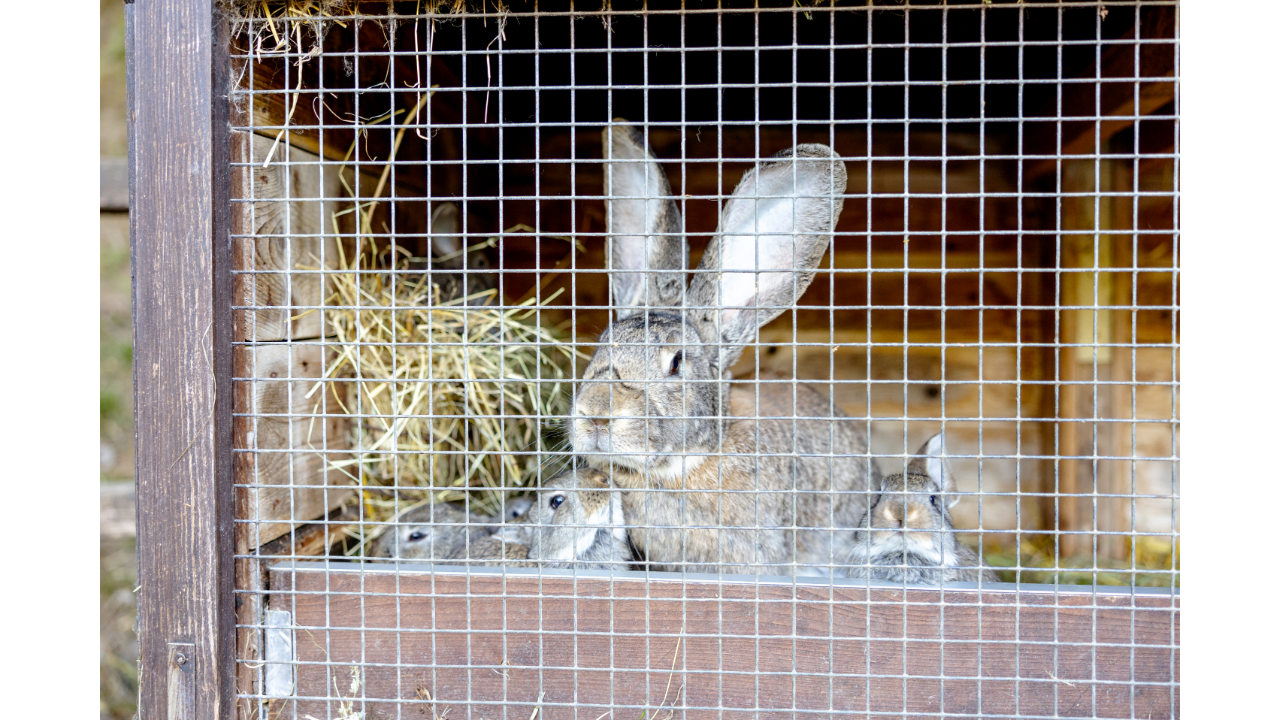
rabbits in hutch

How to stop my rabbit from peeing on its bedding?

Say Goodbye to Rabbit Bedding Woes: Effective Tips to Keep your Pet’s Space Clean and Odour-Free!

How To Stop My Rabbit From Peeing On Its Bedding?

As a rabbit owner, finding that your pet has peed on its bedding can be frustrating. Not only is the smell strong and difficult to get rid of, but it can also pose health risks for both you and your furry friend. In this article, we’ll discuss why rabbits may pee on their bedding and provide tips on how to prevent it from happening again.

Why do rabbits pee on their bedding?

There are several reasons why your rabbit may be peeing on its bedding. Some of the most common causes include:

  1. Territorial marking: Rabbits are territorial animals and may mark their territory by urinating on their bedding.
  2. Medical issues: Certain medical conditions, such as bladder infections or urinary tract problems, can cause your rabbit to pee on its bedding.
  3. Dirty litter box: If your rabbit’s litter box is dirty or too small, it may choose to pee on its bedding instead.
  4. Stress: Rabbits may pee on their bedding if they are feeling stressed or anxious.

How to prevent rabbits from peeing on their bedding?

  1. Clean the litter box regularly: Make sure to clean your rabbit’s litter box at least once a day. Use a mild, rabbit-friendly cleaner to clean the litter box, and replace the litter every few days.
  2. Provide a larger litter box: Make sure your rabbit’s litter box is big enough for it to comfortably move around in. A larger litter box will also reduce the chances of your rabbit choosing to pee on its bedding instead.
  3. Use a litter box with a high back: If your rabbit is a high pee-er, consider using a litter box with a higher back to prevent urine from splashing onto the bedding.
  4. Use a different type of bedding: Some rabbits may not like the texture of certain types of bedding, causing them to pee on it. Try using a different type of bedding to see if it makes a difference.
  5. Provide multiple litter boxes: If you have multiple rabbits or a large living space, consider providing multiple litter boxes to reduce competition and stress.

Why Rabbits Pee on Their Bedding: Understanding the Behaviour of Territorial Animals

Rabbits are fascinating creatures that have been domesticated for thousands of years. They have a unique way of communicating and marking their territory, which can sometimes be a bit confusing for their human companions. One of the common behaviours that rabbits exhibit is peeing on their bedding. In this article, we will explore why rabbits pee on their bedding and what it means for their health and well-being.

Understanding Rabbit Behaviour: Marking and Territorial Instincts

Rabbits are instinctively territorial animals. They have a natural need to mark their territory by leaving their scent on objects around them. When rabbits pee on their bedding, they are essentially claiming that space as their own. This behaviour is similar to dogs marking their territory by urinating on trees, fire hydrants, and other objects.

In addition to marking their territory, rabbits also have a natural instinct to burrow. In the wild, rabbits dig and scratch to create burrows in which they can hide and sleep. Domesticated rabbits may exhibit similar behaviour by digging and scratching their bedding. However, this behavior can sometimes lead to rabbits peeing on their bedding, which can be a sign of an underlying problem.

Possible Health Problems: Inadequate Litter Box

While peeing on their bedding is a natural behaviour for rabbits, it can also be a sign of a health problem. One of the most common reasons why rabbits pee on their bedding is an inadequate litter box. If the litter box is too small, too dirty, or not changed often enough, rabbits may choose to pee on their bedding instead. This behaviour can also be a sign of urinary tract infections or other health problems.

Another possible reason why rabbits pee on their bedding is stress. Rabbits are sensitive animals that can become stressed by changes in their environment, such as a new home or the introduction of a new pet. If your rabbit is peeing on their bedding, it is important to observe their behaviour and look for signs of stress.

Managing Rabbit Behaviour: Providing Adequate Litter Box and Stress-free Environment

To prevent rabbits from peeing on their bedding, it is important to provide them with an adequate litter box. The litter box should be large enough for the rabbit to comfortably move around in and should be cleaned and changed regularly. You can also provide your rabbit with a separate area for sleeping and resting, such as a cardboard box or a designated corner of the cage.

Creating a stress-free environment for your rabbit is also important for managing their behavior. This can be achieved by providing them with plenty of toys and activities to keep them occupied, as well as a quiet and comfortable place to sleep. If your rabbit is still exhibiting signs of stress or peeing on their bedding, it is important to consult with a veterinarian to rule out any underlying health problems.

How to Prevent Your Rabbit from Peeing on Its Bedding?

  1. Provide a litter box: Rabbits can be trained to use a litter box. The litter box should be filled with a suitable litter, such as paper-based pellets, that is safe for rabbits to ingest. Place the litter box in a corner of the cage, where your rabbit usually urinates. Encourage your rabbit to use the litter box by placing some of its droppings in the box.
  2. Clean the litter box regularly: A dirty litter box can discourage your rabbit from using it. Clean the litter box daily, and replace the litter completely once a week.
  3. Choose the right bedding: The type of bedding you use can affect your rabbit’s behaviour. Avoid using bedding that has a strong scent or is dusty, as this can irritate your rabbit’s respiratory system. Instead, opt for bedding that is absorbent and dust-free, such as paper-based bedding or hay.
  4. Use a litter box with a grate: A litter box with a grate can help keep your rabbit’s feet clean and dry. The grate will allow the urine to pass through and collect in a tray below. This will help prevent your rabbit from stepping on its urine, which can cause infection.
  5. Train your rabbit: If your rabbit is not using the litter box, you can train it by placing its droppings in the box and praising it when it uses it. You can also try limiting your rabbit’s space until it gets used to using the litter box.
  6. Provide plenty of toys: Boredom can lead to destructive behaviour in rabbits, including peeing on their bedding. Provide plenty of toys and activities for your rabbit to keep it entertained.
  7. Address any health issues: If your rabbit is peeing on its bedding, it could be a sign of a health problem, such as a urinary tract infection. Take your rabbit to a veterinarian for a check-up.

Conclusion

Preventing your rabbit from peeing on its bedding requires patience, consistency, and a little bit of training. By providing your rabbit with a suitable litter box, choosing the right bedding, and addressing any health issues, you can ensure that your furry friend remains healthy and comfortable. Remember, rabbits are intelligent animals that respond well to positive reinforcement. With a little bit of effort, you can train your rabbit to use its litter box and keep its bedding clean.

rabbits in a rabbit hutch

Best bedding for your rabbit

The Ultimate Guide to Choosing the Best Bedding for Your Rabbit

Rabbits are adorable and cuddly creatures that make great pets. As a rabbit owner, one of your responsibilities is to provide them with a comfortable and safe living environment. This includes choosing the best bedding for your rabbit. Bedding plays a crucial role in your rabbit’s health and well-being, as it can affect their hygiene, comfort, and safety.

With so many options available, choosing the right bedding can be overwhelming. In this comprehensive guide, we’ll take you through everything you need to know to make an informed decision. We’ll cover the different types of bedding available, safety considerations, and how to maintain a clean and healthy living environment for your rabbit.

Types of Bedding:

There are several types of bedding available for rabbits. Each has its advantages and disadvantages, and you’ll need to consider your rabbit’s needs and preferences when choosing the best option for them.

  1. Hay:

Hay is a popular and natural option for rabbit bedding. It’s readily available, affordable, and provides your rabbit with something to chew on, which helps keep their teeth healthy. Hay also has a high absorbency rate, which can help keep your rabbit’s living area dry and clean.

However, hay can be dusty, which can cause respiratory problems for your rabbit. It can also be messy and difficult to clean, which can lead to a build-up of bacteria and odours.

  1. Paper-Based Bedding:

Paper-based bedding is another popular option for rabbit owners. It’s made from recycled paper and is highly absorbent, which helps keep your rabbit’s living area clean and dry. Paper-based bedding is also relatively inexpensive and easy to find.

One downside of paper-based bedding is that it’s not as comfortable as other options. It can also be dusty, which can cause respiratory problems for your rabbit. Additionally, it can be difficult to clean and may not be suitable for rabbits with sensitive skin.

  1. Wood Shavings:

Wood shavings are a popular and affordable option for rabbit bedding. They’re highly absorbent, which can help keep your rabbit’s living area clean and dry. They’re also comfortable for rabbits to rest on.

However, wood shavings can be dusty, which can cause respiratory problems for your rabbit. They can also contain aromatic oils, which can be toxic to rabbits. It’s essential to choose a hardwood variety of wood shavings that doesn’t contain these oils, such as aspen or pine.

  1. Fleece:

Fleece is a comfortable and reusable option for rabbit bedding. It’s soft and easy to clean, and can be used multiple times before needing to be replaced. Fleece bedding can also help reduce the amount of waste produced by your rabbit.

One downside of fleece bedding is that it’s not as absorbent as other options. This means that it can become wet and dirty quickly, which can lead to unpleasant odors and bacteria growth.

Safety Considerations:

When choosing bedding for your rabbit, safety should be your top priority. Here are some safety considerations to keep in mind:

  1. Avoid Bedding with Dust:

Dust from bedding can cause respiratory problems for your rabbit, so it’s essential to choose bedding that’s low-dust or dust-free. Hay, wood shavings, and paper-based bedding can all be dusty, so be sure to choose a brand that’s specifically labelled as dust-free.

  1. Avoid Aromatic Woods:

Some types of wood shavings, such as cedar and pine, contain aromatic oils that can be toxic to rabbits. Instead, choose a hardwood variety

  1. Avoid Bedding with Chemicals:

Some types of bedding may contain chemicals or additives that can be harmful to your rabbit. Be sure to choose bedding that’s free of chemicals and additives, and is specifically labeled as safe for use with rabbits.

  1. Consider Your Rabbit’s Health:

If your rabbit has respiratory problems or sensitive skin, you may need to choose bedding that’s low-dust or gentle on their skin. Additionally, if your rabbit likes to chew on their bedding, it’s essential to choose an option that’s safe for them to ingest.

Maintaining a Clean and Healthy Living Environment:

Once you’ve chosen the best bedding for your rabbit, it’s essential to maintain a clean and healthy living environment. Here are some tips to help you do so:

  1. Spot Clean Daily:

Remove any soiled bedding daily and replace it with fresh bedding. This can help prevent bacteria growth and odors from building up.

  1. Deep Clean Weekly:

Once a week, deep clean your rabbit’s living area by removing all of the bedding and washing any toys, litter boxes, and food and water dishes. Clean the entire living area with a rabbit-safe cleaner and replace the bedding with fresh bedding.

  1. Provide Plenty of Hay:

Hay should be available to your rabbit at all times. It not only provides them with something to chew on, but it can also help keep their teeth healthy and aid in digestion.

  1. Monitor Your Rabbit’s Health:

Regularly monitor your rabbit’s health, including their breathing and skin condition. If you notice any changes or concerns, consult with your veterinarian.

FAQs:

  1. How often should I change my rabbit’s bedding?

It’s best to spot clean your rabbit’s bedding daily and replace any soiled bedding. Deep clean the entire living area once a week and replace all of the bedding.

  1. Can I use cat litter as rabbit bedding?

No, you should not use cat litter as rabbit bedding. Cat litter can be dusty and may contain chemicals that can be harmful to your rabbit.

  1. Is hay a good option for rabbit bedding?

Yes, hay is a popular and natural option for rabbit bedding. It’s readily available, affordable, and provides your rabbit with something to chew on, which helps keep their teeth healthy. Hay also has a high absorbency rate, which can help keep your rabbit’s living area dry and clean.

Washing dog bedding

6 steps to clean your dogs bedding to get rid of bacteria

Keep Your Furry Friend Healthy with These 6 Easy Steps to Clean Their Bedding!

Here are 6 steps to clean your dog’s bedding and get rid of bacteria:

  1. Shake out any loose debris: Shake the bedding outside to remove any loose dirt, fur, or debris.
  2. Pre-treat any stains: If the bedding has any visible stains, pre-treat them with a pet-safe stain remover or a solution of mild detergent and water.
  3. Wash the bedding: Place the bedding in a washing machine and use a pet-safe detergent on a hot water cycle. Hot water will help to kill any bacteria and other germs.
  4. Use an extra rinse cycle: To ensure that all detergent and bacteria are removed, use an extra rinse cycle.
  5. Dry the bedding: Dry the bedding thoroughly in a dryer on a high heat setting. High heat will help to kill any remaining bacteria. Alternatively, you can air-dry the bedding in direct sunlight, which can also help to kill bacteria.
  6. Disinfect the area: Before returning the bedding to its usual spot, disinfect the area where the bedding was with a pet-safe disinfectant spray or solution. This will help to ensure that any remaining bacteria in the surrounding area are also eliminated.

It’s important to wash your dog’s bedding regularly to prevent the build-up of bacteria and other germs, which can cause health problems for both your dog and your family.

What is a good pet-safe stain remover?

There are several pet-safe stain removers available on the market that can be used to clean your pet’s bedding or other items. Some options include:

  1. Nature’s Miracle Stain and Odour Remover: This product is designed specifically for pet stains and is safe to use on carpets, fabrics, and other surfaces.
  2. Rocco & Roxie Stain and Odour Eliminator: This product uses natural enzymes to break down and eliminate stains and odours caused by pets.
  3. Bissell Power Shot Oxy Stain and Odour Remover: This product is designed to remove tough stains and odours, including those caused by pets, and is safe to use on carpets, upholstery, and other surfaces.
  4. Simple Solution Stain and Odour Remover: This product is safe for use around pets and is designed to break down and eliminate stains and odours caused by pet accidents.

When using a pet-safe stain remover, be sure to follow the instructions on the product carefully and test the product on a small, inconspicuous area before using it on a larger stain. It’s also a good idea to choose a product that is specifically designed for the type of stain you are trying to remove.

Simple Solution Extreme Pet Stain and Odour Remover | Enzymatic Cleaner with 3X Pro-Bacteria Cleaning Power – 945ml


Simple Solution Extreme Pet Stain and Odour Remover | Enzymatic Cleaner with 3X Pro-Bacteria Cleaning Power - 945ml

  • XTREMELY EFFECTIVE – Simple Solution Extreme Stain and Odour Remover is three times stronger than our regular stain and odour remover, eliminating the toughest dog and cat messes faster
  • ERASE ODOURS AND STAINS – Discourage repeat marking with our professional-strength Pro-Bacteria and enzyme formula, which breaks down and eliminates stains and odours
  • STRONG AND SAFE ON SURFACES – Removes cat stains and odours such as urine, faeces, and vomit from carpet, upholstery, bedding, fabric toys, clothing, and other water-safe surfaces in your home
  • TOUGH ON STAINS, NOT ON YOUR FAMILY – Safe around your children and pets when used as directed
  • NEW PATENTED MULTI-FUNCTIONAL SPRAYER – Now designed with a new patented 3-in-1 nozzle sprayer (foam, mist, and stream).

Best detergent to wash dog bedding

When it comes to washing your dog’s bedding, it’s important to choose a detergent that is safe for pets and won’t irritate their skin. Here are a few options for pet-safe detergents:

  1. Seventh Generation Laundry Detergent: This plant-based detergent is free of dyes, synthetic fragrances, and other harsh chemicals. It’s also certified by the EPA’s Safer Choice program.
  2. ECOS Laundry Detergent: This detergent is made with natural ingredients and is free of dyes, phosphates, and other harsh chemicals.
  3. Puracy Natural Laundry Detergent: This detergent is made with plant-based ingredients and is free of harsh chemicals and synthetic fragrances. It’s also certified by the EPA’s Safer Choice program.
  4. Tide Free and Gentle Liquid Laundry Detergent: This detergent is formulated without dyes and perfumes and is designed to be gentle on sensitive skin, including pet skin.

When choosing a detergent, be sure to check the ingredients and choose a product that is free of harsh chemicals, synthetic fragrances, and other irritants. It’s also a good idea to choose a detergent that is effective at removing pet hair, odours, and stains. Finally, be sure to follow the instructions on the detergent carefully and use the recommended amount for the size of the load.

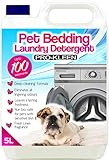
Pro-Kleen Pet Bedding Laundry Washing Detergent – Fresh Linen (5L) – Non-bio, Safe for Dogs with Sensitive Skin, Leaves a Lasting Freshness & Eliminates All Odours

Pro-Kleen Pet Bedding Laundry Washing Detergent - Fresh Linen (5L) - Non-bio, Safe for Dogs with Sensitive Skin,


  • A deep cleaning pet bedding wash detergent liquid specifically designed for use on pet bedding, blankets and more with powerful odour eliminating ingredients
  • Effectively eliminates odours leaving your your dog’s bedding and blankets smelling like Fresh Linen
  • New longer-lasting non-bio formula: safely cleans all pet bedding, blankets and clothing!
  • Use 50ml to 100ml per load depending on soiling – For both front loaders and top loaders.
  • Manufactured in the UK – Amazing value for money: up to 100 treatments per 5L bottle
washing dog blanket

How often should you wash pet bedding and blankets?

How often should you wash pet bedding and blankets?

It’s recommended to wash pet bedding and blankets every 1-2 weeks, or as often as needed based on the amount of dirt, odour, and pet hair build-up. Some pet owners may need to wash them more frequently, while others may only need to wash them once a month. Factors such as the type of pet, the size of the bedding, and the frequency of use can impact how often they need to be washed.

When cleaning a pet bed, it is best to use a mild detergent that is free of harsh chemicals and fragrances. A pet-safe, unscented laundry detergent or baking soda mixed with water can effectively remove dirt and odours. Avoid using bleach or fabric softeners, as these can be toxic or irritate a pet’s skin.

If your pet has any specific skin sensitivities or allergies, consider using a pet-specific laundry detergent. Always follow the manufacturer’s care instructions when washing pet beds.

The frequency with which you should wash your pet’s bedding and blankets depends on various factors, such as the type of pet, the pet’s shedding habits, and whether the pet spends a lot of time outdoors. However, as a general rule of thumb, it is a good idea to wash pet bedding and blankets at least once a week, or more often if they become visibly soiled or have a strong odor.

For pets with skin allergies, it is recommended to wash their bedding and blankets more frequently, such as every few days, to help reduce exposure to potential allergens.

In addition to washing the bedding and blankets, it is also important to vacuum pet areas regularly to remove any loose hair and debris that may have accumulated. This will help keep the bedding and blankets clean for longer and reduce the risk of allergic reactions and other health issues for your pets.

Tips for washing pet bedding


  1. Check the washing instructions: Before washing your dog’s bedding, check the washing instructions. Some bedding may require specific washing instructions or need to be washed by hand.
  2. Shake out loose hair and debris: Before placing the bedding in the washing machine, shake out any loose hair, dirt, or debris. This will help prevent clogging in your washing machine and ensure that the bedding is thoroughly cleaned.
  3. Use the right detergent: Use a mild detergent that is safe for your dog’s skin. Avoid using fabric softeners or bleach, as they can irritate your dog’s skin.
  4. Wash in hot water: Wash the bedding in hot water to kill any bacteria or germs that may be present. Use the highest temperature setting that is safe for the bedding material.
  5. Dry thoroughly: After washing, make sure to dry the bedding thoroughly. Use a high heat setting in the dryer or hang the bedding outside to dry. Avoid using dryer sheets, as they can irritate your dog’s skin.
  6. Clean the washing machine: After washing your dog’s bedding, clean your washing machine to prevent any remaining hair or dirt from clogging the machine. You can run an empty cycle with hot water and vinegar to clean the machine.
  7. Wash bedding regularly: It is important to wash your dog’s bedding regularly to keep it clean and free of bacteria and germs. Aim to wash it at least once a week or more frequently if it gets dirty or smells bad.

Best way to dry pet bedding


The best way to dry pet bedding will depend on the type of bedding and the resources available to you. Here are a few options:

  1. Machine dry: If your pet’s bedding can be machine-washed, it can usually also be machine-dried. Use the appropriate heat setting for the material and make sure the bedding is completely dry before putting it back in use.
  2. Line dry: If machine drying is not an option, you can hang the bedding outside on a clothesline to dry. This is a good option for bedding that is made of natural fibers, such as cotton or wool. However, be sure to keep it out of direct sunlight to prevent fading.
  3. Air dry: Another option is to air-dry the bedding indoors by laying it flat on a clean, dry surface. This is a good option for bedding that is not too thick or heavy, and can be easily spread out to dry.
  4. Use a dryer or dehumidifier: In humid climates, it may be difficult to dry pet bedding completely. In this case, you may want to use a dryer or dehumidifier to speed up the drying process and prevent mould or mildew from developing.

Remember to always follow the care instructions on the bedding label and avoid using high heat on delicate fabrics. It’s also a good idea to regularly wash and dry pet bedding to prevent the build-up of bacteria and allergens.

Pretty Pooch Dog Bedding Cleaner Laundry Detergent - 5 Litres - Fresh Linen Fragrance - Deeply Cleans & Deodorises Pet Bedding & Blankets

  • This dog bedding laundry detergent by Pretty Pooch effectively deodorises and cleans your pet bedding
  • It leaves behind a beautiful Fresh Linen fragrance and completely neutralises lingering odours
  • Use Clean Sheets to wash your dog’s bedding, blankets, and even their clothes!
  • With only 50ml-100ml required per use, you can get up to 100 uses out of one 5 litre bottle of Clean Sheets!
  • Use on a hot cycle (around 50°c) for best results. Simply add 50ml to 100ml of solution to the detergent drawer and run on a standard cycle. For both front loaders and top loaders.

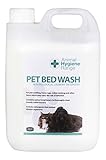
Animal Hygiene Range Pet Bed Wash, 2.5 Litre, clear


  • Laundry detergent
  • Suitable for all pet bedding
  • Kills disease organisms even on a low temperature
  • Item display volume: 2500.0 millilitres