Pets with arthritis need a bed that provides extra comfort and support to alleviate their joint pain and discomfort. The following are some of the best pet beds for pets with arthritis:
Orthopedic Dog Beds: Orthopedic dog beds are designed specifically for pets with joint issues, offering superior support and comfort. They often feature high-density memory foam that conforms to a pet’s body and reduces pressure on joints.
Raised Dog Beds: Raised dog beds have a elevated platform that helps reduce the amount of stress placed on joints when getting in and out of bed.
Bolster Dog Beds: Bolster dog beds have high sides that provide extra support and comfort for pets with arthritis. They also help keep pets warm and cosy, which can be especially beneficial for pets with arthritis.
Donut Dog Beds: Donut dog beds are shaped like a doughnut and have a plush, supportive center. This type of bed provides excellent comfort and reduces pressure on joints.
Heated Dog Beds: Heated dog beds provide extra warmth and comfort, which can help alleviate joint pain in pets with arthritis.
When choosing a bed for a pet with arthritis, consider the size of your pet, their individual needs and preferences, and the severity of their joint pain. Additionally, choose a bed that is easy to clean and maintain, to help keep your pet’s sleeping area hygienic.
Treatment for dogs with arthritis
Arthritis is a common condition that affects dogs, especially as they age. Here are some treatments that may help alleviate the symptoms of arthritis in dogs:
Medications: There are several medications available that can help relieve pain and inflammation associated with arthritis in dogs. These may include nonsteroidal anti-inflammatory drugs (NSAIDs), corticosteroids, and analgesics.
Weight management: Carrying extra weight can put additional strain on a dog’s joints, exacerbating arthritis symptoms. Maintaining a healthy weight through a balanced diet and exercise can help reduce pain and improve mobility.
Physical therapy: Physical therapy can help improve joint mobility and strengthen the muscles surrounding the affected joint. This may include range-of-motion exercises, massage, and hydrotherapy.
Joint supplements: Glucosamine and chondroitin supplements can help support joint health and reduce inflammation. Omega-3 fatty acids may also help reduce inflammation in dogs with arthritis.
Environmental modifications: Simple modifications to your dog’s environment can help make daily activities easier for them. This may include providing a soft bed, raised food and water dishes, and a ramp or steps to help your dog navigate stairs or get in and out of a car.
It’s important to work with your veterinarian to develop a treatment plan that is tailored to your dog’s individual needs. Arthritis is a progressive condition, and early intervention and ongoing management can help slow the progression of the disease and improve your dog’s quality of life.
Memory foam pet beds provide several benefits for pets, including:
Comfort: Memory foam conforms to a pet’s body shape, providing excellent support and reducing pressure on joints, muscles, and bones.
Improved Sleep Quality: Memory foam helps distribute a pet’s weight evenly, reducing the risk of pain and discomfort during sleep, and promoting deeper, more restful sleep.
Relief from Arthritis and Joint Pain: The supportive nature of memory foam can help relieve pressure and reduce pain and discomfort in pets with arthritis and other joint issues.
Durability: Memory foam is a durable material that is resistant to wear and tear and can last longer than other types of bedding materials.
Easy to Clean: Memory foam pet beds are often covered in removable and washable covers, making it easy to keep them clean and hygienic.
Thermoregulation: Memory foam helps regulate a pet’s body temperature, keeping them warm in colder weather and cool in hot weather.
In conclusion, a memory foam pet bed can provide several benefits for pets, including improved comfort, sleep quality, and joint health. When choosing a memory foam pet bed, make sure to consider the size of your pet and their individual needs to ensure a good fit.
What makes memory foam a good choice for pet beds?
Memory foam is often considered a good choice for pet beds for several reasons:
Comfort: Memory foam is known for its ability to conform to the shape of an individual’s body, which can provide a comfortable sleeping surface for pets. This can be especially beneficial for pets with joint pain or other health issues that make it difficult to get comfortable on a traditional pet bed.
Support: The density of memory foam can provide support for pets by evenly distributing their weight and reducing pressure points. This can help alleviate joint pain and improve overall comfort.
Durability: Memory foam is a durable material that can withstand regular use and is less likely to flatten or lose its shape over time compared to other materials used in pet beds.
Hygiene: Memory foam is easy to clean and can be resistant to dust mites, which can be beneficial for pets with allergies or respiratory issues.
Safety: High-quality memory foam products are often made with non-toxic materials and do not contain harmful chemicals that could be harmful to pets.
Overall, memory foam can be a good choice for pet beds because it provides comfort, support, durability, hygiene, and safety, which can help improve the overall quality of life for pets.
Is memory foam toxic to pets?
Memory foam itself is not toxic to pets, but some memory foam products may contain chemicals that could be harmful to animals if ingested or inhaled.
Memory foam is made from polyurethane foam, which is a synthetic material that can emit volatile organic compounds (VOCs) as it breaks down over time. Some of these VOCs can be harmful to pets if they are exposed to high levels of them over a long period of time.
Additionally, some memory foam products may contain fire retardants or other chemicals that could be toxic to pets if ingested or inhaled. It is important to check the label and research the specific memory foam product you are considering to make sure it does not contain any harmful chemicals.
To ensure the safety of your pets, it is best to provide them with a comfortable and safe sleeping area that is made from natural and non-toxic materials, such as organic cotton or wool. If you do choose to use a memory foam product, be sure to monitor your pet’s behaviour and health to ensure they are not experiencing any adverse reactions.
Can memory foam be recycled?
Memory foam can be recycled, but it can be more challenging than recycling other materials due to its composition.
Memory foam is made of polyurethane foam, which is a type of plastic that does not biodegrade easily. However, there are recycling facilities that specialize in recycling polyurethane foam, including memory foam.
The recycling process typically involves shredding the memory foam into small pieces and then using heat and chemicals to break down the foam into its original components, which can then be used to make new products. The resulting material can be used for a variety of purposes, such as insulation, carpet padding, or even new memory foam products.
It’s worth noting that not all recycling facilities accept memory foam, so it’s important to check with your local recycling centre to see if they accept this type of material. Additionally, some memory foam products may contain chemicals that could complicate the recycling process, so it’s important to check the label and research the specific product before attempting to recycle it.
Overall, while recycling memory foam can be challenging, it is possible to recycle this material and give it a new life rather than contributing to landfill waste.
Discover the Secret to Choosing the Perfect Material for Your Cat’s Bed
The best material for a cat bed can vary depending on the individual cat’s preferences and needs. Some common materials for cat beds include:
Plush Fabric: Soft, plush fabric is a popular choice for cat beds, as it provides a comfortable and cozy place for cats to rest.
Fleece: Fleece is another popular option, as it is soft, warm, and comfortable.
Memory Foam: Memory foam is a good choice for older cats or those with joint pain, as it provides excellent support and cushioning.
Microfiber: Microfiber is a synthetic fabric that is soft, warm, and easy to clean.
Synthetic sheepskin: Synthetic sheepskin provides a soft, plush surface for cats to rest on, and it’s also hypoallergenic.
When choosing a bed for your cat, consider their individual needs, such as their size and comfort preferences, as well as their age and health. Additionally, choose a bed that is easy to clean and maintain, to help keep your cat’s sleeping area hygienic.
Cats are notorious for their love of sleeping, and a comfortable bed is essential for them to get the rest they need. As such, choosing the right material for a cat bed is crucial to ensure that your furry friend is happy and comfortable. In this article, we will explore the best materials for cat beds and the reasons why they are ideal.
Soft plush
Soft plush material is one of the most popular choices for cat beds. This material is incredibly soft and provides excellent warmth, making it ideal for cold environments. It also offers a comfortable place for your cat to rest, especially if they have arthritis or other joint problems.
Soft plush material is usually made of polyester or acrylic fibres. These fibres are lightweight, durable, and hypoallergenic, making them safe for cats with allergies or sensitive skin. Additionally, this material is easy to clean and maintain, and most models are machine washable.
Memory foam
Memory foam is a relatively new material that has become increasingly popular in cat beds. This material is highly comfortable and provides excellent support for your cat’s joints and muscles. Memory foam is also known for its ability to retain heat, making it ideal for colder environments.
The foam works by contouring to your cat’s body shape, providing customized support and comfort. This helps reduce pressure points and provides a comfortable surface for your cat to rest on. Memory foam cat beds are also easy to clean, and most models come with a removable and washable cover.
Natural fibres
Natural fibres such as wool, cotton, and bamboo are excellent materials for cat beds. These materials are highly breathable, allowing air to circulate and keep your cat cool in warmer environments. They are also soft and gentle on your cat’s skin, making them ideal for cats with allergies or sensitive skin.
Wool is a popular choice as it is naturally antimicrobial, repels water, and is highly durable. Cotton is also a great choice as it is soft, lightweight, and easy to clean. Bamboo is a sustainable and eco-friendly option that is naturally odor-resistant and hypoallergenic.
Faux fur
Faux fur is another popular material for cat beds. This material is incredibly soft and fluffy, providing a luxurious surface for your cat to rest on. It is also highly durable and can withstand scratches and bites from your furry friend.
Faux fur is usually made of polyester fibers that mimic the texture and feel of real fur. It is easy to clean and maintain, and most models are machine washable. Additionally, this material is hypoallergenic and safe for cats with sensitive skin.
Microfiber
Microfiber is a synthetic material that is becoming increasingly popular for cat beds. This material is highly absorbent, making it ideal for cats who tend to drool or have accidents. It is also soft and gentle on your cat’s skin, making it ideal for cats with allergies or sensitive skin.
Microfiber is usually made of polyester or nylon fibres that are woven together to create a soft and durable surface. This material is easy to clean and maintain, and most models are machine washable. Additionally, it is hypoallergenic and safe for cats with allergies.
So, what is the best material for a cat bed?
The best material for a cat bed depends on your cat’s needs and preferences. Soft plush, memory foam, natural fibres, faux fur, and microfiber are all great options that provide comfort, support, and warmth.
If your cat tends to get cold easily, soft plush or memory foam may be the best options. These materials provide excellent warmth and comfort, making them ideal for colder environments.
If your cat has allergies or sensitive skin, natural fibers such as wool, cotton, or bamboo may be the best choice. These materials are hypoallergenic and gentle on your cat’s skin, making them ideal for cats with skin sensitivities.
If your cat loves to snuggle up in a warm and cozy bed, faux fur may be the best choice. This material provides a soft and fluffy surface for your cat to rest on and can keep them warm and comfortable.
Finally, if your cat tends to have accidents or drools, microfiber may be the best option. This material is highly absorbent and easy to clean, making it ideal for cats who need a bed that can withstand spills and accidents.
It’s also important to consider the size of the cat bed and the shape. Cats like to feel cozy and secure when they sleep, so a bed that is too big may not provide the same level of comfort as one that is just the right size. Additionally, some cats prefer beds with raised edges or hoods that provide a sense of security and privacy.
Conclusion
There is no one “best” material for a cat bed. It ultimately depends on your cat’s individual needs and preferences. However, soft plush, memory foam, natural fibers, faux fur, and microfiber are all great options that can provide comfort, support, and warmth. Additionally, it’s important to consider the size and shape of the bed to ensure that your cat feels secure and comfortable.
Whether or not dogs should share a dog bed can depend on several factors, including their individual personalities and behaviour, as well as their health and hygiene.
It’s best to provide them with beds that are appropriately sized for each of them, to ensure that they are both comfortable.
When you have multiple dogs in your household, it’s important to consider their individual sizes when selecting their beds. Dogs come in all shapes and sizes, and a bed that is too big or too small can be uncomfortable or even harmful to your pet’s health.
If you have dogs of different sizes, it’s crucial to provide them with beds that are appropriately sized for each of them. This ensures that they are both comfortable and can rest properly without any discomfort or strain.
For smaller dogs, it’s best to choose beds that are designed for their size. These beds are typically smaller in size and provide a cosy and comfortable spot for your small dog to rest. Some beds may even come with raised edges or hoods that provide a sense of security and privacy, which is essential for smaller dogs that may feel vulnerable.
For larger dogs, it’s important to choose a bed that is appropriately sized to accommodate their larger frames. Larger dogs require more space to stretch out comfortably, and a bed that is too small may cause them to feel cramped and uncomfortable. Additionally, larger dogs may require beds that offer more support to their joints and muscles to ensure their overall health and wellbeing.
When selecting beds for dogs of different sizes, it’s essential to consider their sleeping habits as well. Some dogs may prefer to curl up while they sleep, while others may stretch out. Make sure to choose a bed that provides enough space for your dog to sleep in their preferred position comfortably.
It’s also important to consider the materials used in the bed. Some materials may be better suited for certain breeds or sizes of dogs. For example, memory foam beds may be more suitable for larger dogs that require more support for their joints and muscles, while softer materials such as plush or faux fur may be more comfortable for smaller dogs.
In addition to selecting the appropriate bed size and material, it’s essential to regularly clean and maintain the beds to ensure your dogs’ health and hygiene. Dogs can shed and drool, which can create a breeding ground for bacteria and other harmful organisms. Regularly washing and cleaning the beds can help prevent the spread of disease and ensure that your dogs remain healthy and comfortable.
In conclusion, providing appropriately sized beds for dogs of different sizes is essential for their overall health and wellbeing. Choosing beds that are designed to accommodate your dog’s size and sleeping habits can help ensure that they rest comfortably and properly. It’s also important to consider the materials used in the beds and to regularly clean and maintain them to ensure your dogs‘ health and hygiene. By taking these steps, you can help ensure that your dogs remain happy, healthy, and comfortable throughout their lives.
It’s also important to consider hygiene
When deciding whether or not dogs should share a bed. If one dog has an infection or other health condition, it may be best to keep them separated to prevent the spread of illness.
Dogs are prone to various health conditions, and some of these can be contagious. Sharing a bed with a sick or infected dog can put other dogs in the household at risk of contracting the illness. As a responsible pet owner, it’s important to take steps to protect your dogs’ health and prevent the spread of disease.
When one dog is sick or has an infection, it may be best to keep them separated from other dogs in the household. This can help prevent the spread of illness and protect the health of other dogs in the household. Even if a sick dog appears to be improving, it’s important to wait until they are fully recovered before allowing them to share a bed with other dogs.
In addition to illnesses, dogs can also carry parasites such as fleas, ticks, and mites. These parasites can easily spread from one dog to another, especially when they share a bed or other close quarters. Regularly checking your dogs for signs of parasites and treating them promptly can help prevent the spread of these pests.
Even if all dogs in the household are healthy, it’s still important to maintain good hygiene when it comes to dog beds. Dogs can shed hair, drool, and sometimes have accidents on their beds, creating a breeding ground for bacteria and other harmful organisms. Regularly washing and cleaning the beds can help prevent the spread of disease and ensure that your dogs remain healthy and comfortable.
If you do decide to allow your dogs to share a bed, it’s important to monitor their behaviour and interactions. Some dogs may become possessive or territorial over their sleeping space, which can lead to fights or other aggressive behaviour. Additionally, dogs may have different sleeping habits or preferences, which can cause conflict if they are forced to share a bed.
Overall, it’s important to weigh the pros and cons of allowing dogs to share a bed and to take steps to protect their health and wellbeing. If one dog is sick or has an infection, it’s best to keep them separated to prevent the spread of illness. Regularly washing and cleaning dog beds can help prevent the spread of disease and ensure that your dogs remain healthy and comfortable. By taking these steps, you can help ensure that your dogs remain happy, healthy, and comfortable throughout their lives.
Ultimately, the decision of whether or not dogs should share a bed will depend on the individual dogs and their specific needs. Observing their behaviour and providing them with beds that meet their needs can help ensure that they are both comfortable and happy.
Deciding whether or not dogs should share a bed ultimately comes down to your personal preference and your individual dogs’ needs. Some dogs may prefer to sleep alone, while others may enjoy the comfort of snuggling up with their canine companions.
When considering whether or not to allow dogs to share a bed, it’s important to observe their behaviour and interactions. Some dogs may become possessive or territorial over their sleeping space, which can lead to fights or other aggressive behaviour. Additionally, dogs may have different sleeping habits or preferences, which can cause conflict if they are forced to share a bed.
Providing each dog with their own bed can help prevent these conflicts and ensure that they have a comfortable space to rest. This is especially important if you have dogs of different sizes or breeds, as each dog may have different needs and preferences when it comes to sleeping.
If you do decide to allow dogs to share a bed, it’s important to monitor their behaviour and interactions. You should also make sure that the bed is large enough to accommodate all dogs comfortably and that each dog has enough space to stretch out and move around without disturbing the others.
Ultimately, the decision of whether or not dogs should share a bed will depend on the individual dogs and their specific needs. Some dogs may be perfectly content sleeping alone, while others may prefer the comfort of snuggling up with their canine companions. Observing their behaviour and providing them with beds that meet their needs can help ensure that they are both comfortable and happy.
It’s also important to consider your own needs and preferences when it comes to sharing a bed with your dogs. Some people may enjoy the comfort and companionship of sleeping with their pets, while others may prefer to have their own space. If you have allergies or are sensitive to pet dander, it may be best to avoid sharing a bed with your dogs altogether.
Conclusion
the decision of whether or not dogs should share a bed ultimately comes down to personal preference and the needs of your individual dogs. By observing their behavior, providing them with appropriate bedding, and monitoring their interactions, you can help ensure that your dogs are both comfortable and happy. Whether you choose to allow your dogs to share a bed or provide them with their own individual sleeping spaces, the most important thing is to prioritize their health and wellbeing.
Revamp Your Pooch’s Sleeping Space: Easy Tips for Cleaning Your Dog’s Bed!
One of the more challenging aspects of owning a dog is learning how to clean a dog’s bed. It’s understandable that this can be an overwhelming experience for some dog owners. Dogs just aren’t the same as human beings when it comes to cleanliness. You would be hard pressed to find a dog that shampoos their bed or cleans their home.
To begin with, dogs have sensitive skin. Their coat doesn’t always smell so nice after a rain storm. While they can’t help that smell, they also cannot always clean themselves. As they scratch and bite themselves they leave stains on your dog bed. This can make it very difficult for him to feel comfortable in his bed and therefore will want to retreat to his bathroom if he has an accident there.
Cleaning your dog bed you can seem like a daunting task. However, by breaking down the project into several manageable steps you will be able to clean your dog’s bed easily. To start, you should gather all of your dog grooming supplies including his bed. Make sure you are dealing with a clean environment as well because you don’t want to apply any harmful chemicals or scents to the bed.
Remove the cover: If the bed has a removable cover, take it off and set it aside.
Vacuum the bed: Use a vacuum to remove any dirt, hair, or debris from the bed. Pay special attention to crevices and seams where dirt and hair can accumulate.
Wash the cover: If the bed has a machine-washable cover, wash it in warm water using a mild detergent. Follow the care instructions on the label for best results.
Clean the bed: If the bed itself is not washable, spot clean it using a mild detergent and a damp cloth. Avoid soaking the bed, as this can damage the filling.
Air out the bed: After cleaning, allow the bed and cover to air out completely before putting them back together. This will help prevent any musty odors from developing.
Replace the cover: Once the bed and cover are completely dry, replace the cover and fluff the bed to restore its shape.
Note: If your pet has any health issues or skin sensitivities, it’s best to consult with a veterinarian before cleaning their bed, as certain cleaning products or methods may not be suitable.
Once you have the dog bed and its supplies in tow, you should get started on how to clean a dog’s bed. Start by vacuuming up any loose dirt or scent left on the bed. After the vacuum has done its job you should pick up a soft brush the dirt loose from around the bed. Don’t forget to work in any tangles or knots as these can be very stubborn. After you have brushed the bed thoroughly, you should rinse it off under running water to remove the extra moisture.
When learning how to clean a dog’s bed you will need to be careful not to make it too dirty. To help keep the bed clean you should spray it lightly with some kind of disinfectant or dish detergent. Be sure to thoroughly wet the bed with this solution. If possible you should also spray the entire area with disinfectant. You can purchase these products at the local pet supply store.
After you have successfully cleaned the bed, you should rinse it off under running water. After you have done this you should pat it dry with a towel and then place it back where it came from. When learning how to clean a dog’s bed you should make sure that you give him plenty of drying time. As most dogs have a natural tendency to perspire, it is recommended that they have unlimited bathroom breaks during the day. In order to prevent excessive wetness you should also take your dog outside after he eats.
After learning how to clean a dog’s bed you will find that there are many advantages to doing so. One benefit is that it allows your dog to get adequate exercise. Many dogs have health problems that keep them from getting enough exercise, which in turn can result in excessive weight gain. Another advantage is that if you happen to have a lot of dog-related problems, such as urinary tract infections, ear infections, fleas or allergies you may find that the bed will help resolve them. Also most pets are more comfortable if they are able to sleep on a bed than if they are sharing a cage with another animal.
Learning how to clean a dog’s bed will not take very long or cost very much. It is a simple process and most of the items that you will need can be found at your local pet supply store. The one thing that you do need to remember is that it is important that you always clean the animal’s bed after it has been used. This is to ensure that all of the germs and bacteria have been completely removed. This is especially important for older animals who may have become accustomed to sleeping in the same spot each night.
Do Pet Calming Beds Actually Work? We Put Them to the Test!
Before we answer the question, “Do pet calming beds work?” let us first understand what these beds are. Pet beds are pads that are filled with special sleeping pills that are prescribed by veterinarians. These pills contain substances that help a dog or cat to relax so that he or she can fall asleep easily. These pillows are meant to help relax your pet and calm him or her down.
The reason why dog is having difficulty sleeping could be a result of stress, fatigue, surgery, injury, or old age. Pets simply need a place to go to find some relief from all the stressful things going on in their lives. These stressors may range from separation anxiety to grief to boredom and hunger.
The goal of using pet calming beds is to give your pet a safe, comfortable place to sleep. There are several different types of dog or cat beds. They come in various sizes and shapes and are made out of different materials. Each one has a distinct appearance and purpose. They are often called “beds” because they resemble a bed.
Pet calming beds can work for some pets and not for others, as it depends on the individual pet’s needs and preferences. Calming beds are designed to mimic the sensation of being held or swaddled and can help reduce anxiety, stress, and restlessness in some pets.
However, it is important to remember that pet calming beds are not a one-size-fits-all solution and may not work for all pets. If your pet continues to have trouble sleeping or is experiencing high levels of anxiety, it is best to consult with a veterinarian to determine the underlying cause and develop a treatment plan.
One example is a pillow bed. They are normally placed under your dog or cat’s bed to help them relax. A soft, plush pillow is packed with tranquilizers. Some of these tranquilizers help promote sleep and tranquility while others aid in pain management. Some even contain vitamins or minerals that promote good health and good spirits.
Some tranquilizers work by relaxing both the conscious and the animal. Some contain anti-depressants. Others, like antihistamines, block the activity of histamines in the brain, which cause stress and make dogs or cats nervous. Others help relieve the symptoms of inflammation and joint problems. And, still others act as a natural sedative.
Most of the tranquilizers sold over the counter for pet calming function on the same mechanism. They affect the central nervous system and produce a state of deep relaxation. As their effect is released, the animal becomes less tense. This, in turn, makes them less stressed and anxious.
If you are looking for a way to help your pet relax and unwind, consider a pet calming bed. Some animals find comfort in the comfort of a bed. Others prefer to be able to lay down flat instead of being rolled on their side. Either way, your pet will feel more at ease when he or she can lie in a comfortable place.
The main purpose of pet calming beds is to provide relief from anxiety. They also promote sleep and rest. When your pet feels rested, it will be much easier to get him or her to go to sleep at night. This ensures that your pet gets enough rest during the day. The result is a happy pet who is less anxious all day long.
The do pet calming beds come in many shapes and sizes. You can find different beds that are made out of metal, wood, or plush materials. In addition to size, you need to consider how your pet sleeps and likes to sleep. You also need to consider how much activity your pet gets during the day and at night.
After deciding which type of pet bed would best fit your pet’s personality, you have to decide where you are going to locate it. If you would like to keep the pet bed in one area, you should place it in a secluded location. This may mean moving furniture or getting a dog house. If you do decide to keep the pet bed in one place, you should make sure that it is protected from other pets and children.
Many pet owners choose to keep their pets in condos or apartments. Some dogs and cats are happier in condos or apartments than they are in a house, so it makes sense to get a pet bed that will be placed in one of these areas. You can also find pet beds for other animals that are not as attached to their home, such as Rottweilers.
There are many pet owners who are torn between whether or not they should get a do pet bed for their pet. If you do choose to buy one, be prepared to give up some personal space in your home. However, most dogs and cats enjoy having their own space and you should try to be as consistent as possible with your pet bed. It should be in one spot all of the time and it should be protected from other pets and young children. As long as you are being kind and patient, your pet will be happy and healthy.
Is Your Pet’s Bed Causing Them Pain? Discover the Benefits of Orthopedic Beds!
In my search for orthopedic dog beds, I have been told many times that orthopedic beds are more than just for humans. Dogs also need beds of this nature. In a word, they need orthopedic support, as well. So what is an orthopedic dog bed made of?
Most supported by research. Benefits of An orthopedic dog bed: The orthopedic dog beds are specifically designed to reduce and eliminate the effects of joint pain in dogs. It has been found that the majority of dogs suffer from some form of joint pain at one time or another. The relief from pain comes from the orthopedic dog beds‘ ability to provide an adjustable, stable surface that helps reduce stress and tension on the affected area.
Many times, when a dog has an injury and needs to be put down, his bones may not heal correctly or the bones may not fuse together properly, which may lead to bone misalignment. Dogs also suffer from different types of pain depending on the activity they are engaged in, their age, the type of fur they wear, and how they are disciplined by their owners. Because of these reasons, orthopedic dog beds come in many different sizes and shapes. Some of the orthopedic dog beds have foam stand-out features such as an adjustable “peacock” fold where you can place the bed flat when not in use and “bounce back” when you return to the bed.
Orthopedic dog beds provide several benefits for pets, including:
Comfort: Orthopedic beds are designed to provide extra support and cushioning, which can help alleviate joint pain and discomfort.
Arthritis and joint pain relief: Orthopedic beds are often made with memory foam or other materials that can help reduce the pressure on joints and improve circulation, making them ideal for dogs with arthritis or other joint issues.
Improved sleep quality: Orthopedic beds can help dogs sleep more comfortably and for longer periods, leading to better overall health.
Durability: Orthopedic beds are made to last and can withstand the wear and tear of daily use.
Promoting good posture: Orthopedic beds are designed to maintain the natural alignment of a dog’s spine, which can help prevent injuries and promote good posture.
The orthopedic dog beds often come with a memory foam mattress that is washable and can support the weight of your dog when sleeping. This also prevents the bed from developing “sinkers,” pockets where moisture collects that can lead to mould, mildew, and dust mites. Although these beds have many benefits and may even be worth the cost of buying them, there are some disadvantages. One of the main disadvantages of this kind of bed is the fact that it doesn’t offer a lot of extra support or padding around the edges of the dog’s body, making him more uncomfortable.
However, many orthopedic dog beds now come in “size specific” varieties that are made to meet your dog’s unique needs. For example, one of these bed sizes is specifically designed for puppies that are between nine and fifteen weeks old, and another size is specifically designed for older dogs that are between eighteen and twenty-three weeks old. Most of these varieties are made out of fleece, which is highly absorbent, making them excellent choices during cold seasons. Also, most of these beds have removable insets that are weather resistant and keep your pet’s skin warm and comfortable. There are even several designs that have removable covers that you can clean every time you want to give your dog a bath.
Some dog owners are finding orthopedic dog beds beneficial because their pet’s barking has significantly decreased due to the strengthening effects of the bed. In addition to helping to reduce unnecessary barking, these beds can also reduce your dogs stress levels and make him happier overall. The dog may not realize how much happier he is because he won’t be hearing those annoying barks at night anymore.
Of course, no two dogs are the same, so it is important to consider the size of your dog as you purchase one of these versatile dog beds. There are many sizes available, ranging from smaller sized dogs to larger sized dogs. These beds are available in several different shapes, such as a round or square shape. You may also find a portable version that is easy to carry around the house, or if you prefer, you can choose an indoor/outdoor model that will allow you to keep your dog out of the cold during the winter. These removable coverings are made to fit most standard sized dogs, making them one of the easiest ways to provide your pet with comfort and relief from their aches and pains.
Orthopedic dog beds are made to last for many years, which means that you don’t have to replace them as often as other types of dog furniture. You may also find them to be less expensive than traditional styles. You should shop around as prices range quite a bit, both in store and online. Many of the better brands are made with high quality materials that will last you for a long time, but you should always check to see if the bed you are considering has been through an independent testing laboratory. Many of these beds have been tested and proven to provide the level of comfort and support that you would expect from a well-made, durable product.
Finally! Large Dog Beds that Labradors Absolutely Love!
Many people do not realize that a large dog bed for Labradors can really make a difference in your dog’s comfort and health.
We all know that Labradors are larger, stronger dogs, which means that they need extra support when sleeping.
However, some owners do not realize that this extra support can actually lead to more health problems down the road.
If you are interested in large dog beds for Labradors, but you aren’t sure if they will benefit your dog, then you should read through this article. We are going to talk about some of the advantages that large dog beds have, as well as some of the disadvantages.
One of the advantages of large dog beds for Labradors is that they are designed with extra support.
In most cases, large dog beds will contain a medium or high quality foam pad. The higher the quality of foam used, the better the support. Therefore, while it may take more time and effort to prepare the dog for his new large dog beds, your dog will ultimately be the better for it.
Labradors are large, active dogs that require a comfortable and supportive bed to rest in. When choosing a bed for a Labrador, consider the following factors:
Size: Labradors are big dogs, so choose a bed that is large enough for them to stretch out in comfortably. A bed that measures at least 36 inches in length and 24 inches in width should be suitable for most Labradors.
Support: Labradors have a tendency to suffer from joint problems, so choose a bed with good support to help reduce pressure on their joints. Consider a bed with a memory foam or orthopedic design.
Durability: Labradors are known for being tough on beds, so choose a bed that is made with sturdy materials that can stand up to wear and tear.
Easy to clean: Labradors tend to shed a lot and can be messy, so choose a bed that is easy to clean and maintain. A bed with a removable, washable cover is ideal.
Personal preferences: Consider your dog’s personal preferences when choosing a bed. Some Labradors may prefer a plush, cushioned bed, while others may prefer a flat, supportive surface.
Ultimately, choose a bed that provides your Labrador with comfort, support, and a place to rest and relax after a long day of play and activity.
Some owners who have chosen to get large foam dog bed pads for their dogs have found that they provide just the right level of support to help their dogs adjust to their new bed.
This extra support allows them to be able to get a better nights sleep without worrying about pain. Because these pads are designed to spread out over an entire bed and do not have one area that is sore, your dog will be able to adjust to his new mattress and bed without having to suffer in pain.
Another advantage to dog beds is that they are designed to alleviate some of the issues that occur when dogs sleep on their back.
It has been shown that sleeping on their back is bad for Labradors. Because these pads are designed to be spread out across the entire bed, the back of a Lab can receive more support without the risk of causing additional pain to your pet.
Of course, if you are unsure of the correct type of bed, you should always consult your veterinarian before getting a new bed for your pet.
In general, you want to avoid getting your dog hurt because of an uncomfortable bed. By choosing to use large foam pads for your dogs, you can eliminate the need for worry.
Some large dog beds also come with extra padding over areas that are prone to cause pain to your dog. This extra padding will ensure that your dog receives maximum comfort throughout the night.
Of course, this extra padding will come at an extra cost. Many times, these pads will be a bit more expensive than regular large dog beds. However, many owners find that the extra cost is worth it. After all, it will ensure that your dog is comfortable throughout the night and that he will not be woken up during the night by discomfort.
Some large dog beds will have air pillows. Because your dog sleeps so much throughout the night, having an air pillow will help him get a good night’s rest.
You can also buy large dog beds that offer customizing options. If you prefer, you can have the bed made to order. Many times, you can choose fabrics that will help to make your dog feel better.
In addition, some of the customizing features will include different types of padding as well as different cushioning materials. Whatever special touches that you would like to see in your dog’s bed, you can have them added for an additional cost.
While large dog beds are a good choice for any type of pet, they are especially helpful when your dog is larger than most. Large dogs can be difficult to care for, and having a comfortable bed to sleep in is essential to their health.
By purchasing a large dog bed for your Lab, you will be providing him with the best possible bedding that will give him all the comfort he needs.
Just think of how happy your Lab would be if he could stretch out and enjoy a good night’s sleep, instead of being uncomfortable. So, for your best friend’s sake, you’ll want to make sure that you purchase a large dog bed for him.
One or Many? How Many Beds Does Your Pet Really Need?
If you are thinking of having a pet then it is important to figure out the number of beds that you will need. A lot of people like to have at least two. It depends on how active your pet is and how big he gets as well. Many dogs and cats need quite a few beds so that they can have a good place to sleep throughout the day. You should get a few extra because you never know when you might be traveling with your pet. I would recommend getting at least 5 extra in case your dog or cat has an accident in the car.
How many dog beds and cat beds should I get? When deciding on how many dog beds and cat beds that you will need, you should consider the size of the pet that you have. There are different sizes for different breeds and sizes. Make sure that the size that you get will fit the pet that you have. This may not seem logical, but it is the truth!
It’s generally recommended that pets have at least one bed in the house where they can sleep comfortably and feel safe. However, having multiple beds in different locations can be beneficial for your pet, especially if they like to switch up their sleeping spots or if you have a larger home.
For example, you might place a bed in your pet’s designated sleeping area, another bed in the living room for lounging, and perhaps an outdoor bed for warmer weather.
Ultimately, the number of beds your pet needs will depend on their sleeping habits and preferences, as well as the size of your home.
How many pet carriers should I get?
The number of pet carriers you should get depends on how often you plan to travel with your pet and what type of travel you’ll be doing.
If you frequently take your pet on trips by car or plane, you may want to have one or two carriers in different sizes (one for smaller trips and one for longer trips or air travel). If you mostly take your pet on short trips to the vet or grooming appointments, one carrier may be sufficient.
Having a backup carrier can also be useful in case your primary carrier becomes damaged or unavailable. It’s also important to choose a carrier that is the right size and style for your pet and fits your transportation needs.
How many beds made for puppies and kittens should I get?
When deciding on how many beds you will need, it is important to consider the size of your puppy or kitten. There are specific sizes made for puppies and kittens that are made out of specific materials. For example, beds made with fleece are better for puppies and kittens that are small in size because fleece is very soft on their skin.
How many beds should I get?
The number of pet beds you should get depends on your pet’s sleeping habits and the size of your home. Most pets benefit from having at least one bed in the house where they can sleep comfortably and feel safe.
If your pet likes to switch up their sleeping spots or if you have a larger home, it may be beneficial to have multiple beds in different locations. For example, you might place a bed in your pet’s designated sleeping area, another bed in the living room for lounging, and perhaps an outdoor bed for warmer weather.
Ultimately, the number of beds your pet needs will depend on their sleeping habits and preferences, as well as the size of your home. It’s also important to choose a bed that is the right size and style for your pet and fits their sleeping needs.
How much sleep should my pet get?
The amount of sleep a pet needs can vary depending on their age, breed, and activity level. On average, most dogs need between 12 and 14 hours of sleep per day, while cats typically sleep between 12 and 16 hours a day.
Younger pets, such as puppies and kittens, tend to sleep more, while older pets may sleep less. Active breeds, like sporting or herding dogs, may need less sleep compared to more sedentary breeds.
It’s important to provide your pet with a comfortable and safe sleeping environment, and to encourage regular exercise and playtime to help promote healthy sleep patterns. If you’re concerned about your pet’s sleep habits, it’s best to consult with a veterinarian for personalized advice.
The best place to put a cat bed depends on the individual cat and their preferences. Some cats prefer a cosy, enclosed bed, while others prefer a bed that is more open and airy. Here are some general tips for placing a cat bed:
In a quiet, low-traffic area: Cats like to have a place to retreat to that is away from noise and activity.
Elevated: Cats like to have a place to survey their surroundings, so an elevated bed can be ideal.
Near a window: Many cats enjoy watching birds and other outdoor activities, so a bed near a window can be a good choice.
Near a heat source: Cats are often drawn to warmth, so a bed near a heating vent or radiator can be appealing.
With familiar scents: Cats may be more likely to use a bed that smells like them or their owners.
Ultimately, the most important factor is to provide a bed that your cat feels comfortable and safe in. Observing your cat’s behavior and preferences can help you determine the best location for their bed.
How often should you wash pet bedding and blankets?
It’s recommended to wash pet bedding and blankets every 1-2 weeks, or as often as needed based on the amount of dirt, odour, and pet hair build-up. Some pet owners may need to wash them more frequently, while others may only need to wash them once a month. Factors such as the type of pet, the size of the bedding, and the frequency of use can impact how often they need to be washed.
When cleaning a pet bed, it is best to use a mild detergent that is free of harsh chemicals and fragrances. A pet-safe, unscented laundry detergent or baking soda mixed with water can effectively remove dirt and odours. Avoid using bleach or fabric softeners, as these can be toxic or irritate a pet’s skin.
If your pet has any specific skin sensitivities or allergies, consider using a pet-specific laundry detergent. Always follow the manufacturer’s care instructions when washing pet beds.
The frequency with which you should wash your pet’s bedding and blankets depends on various factors, such as the type of pet, the pet’s shedding habits, and whether the pet spends a lot of time outdoors. However, as a general rule of thumb, it is a good idea to wash pet bedding and blankets at least once a week, or more often if they become visibly soiled or have a strong odor.
For pets with skin allergies, it is recommended to wash their bedding and blankets more frequently, such as every few days, to help reduce exposure to potential allergens.
In addition to washing the bedding and blankets, it is also important to vacuum pet areas regularly to remove any loose hair and debris that may have accumulated. This will help keep the bedding and blankets clean for longer and reduce the risk of allergic reactions and other health issues for your pets.
Use the right detergent: Use a mild detergent that is safe for your dog’s skin. Avoid using fabric softeners or bleach, as they can irritate your dog’s skin.
Wash in hot water: Wash the bedding in hot water to kill any bacteria or germs that may be present. Use the highest temperature setting that is safe for the bedding material.
Dry thoroughly: After washing, make sure to dry the bedding thoroughly. Use a high heat setting in the dryer or hang the bedding outside to dry. Avoid using dryer sheets, as they can irritate your dog’s skin.
Clean the washing machine: After washing your dog’s bedding, clean your washing machine to prevent any remaining hair or dirt from clogging the machine. You can run an empty cycle with hot water and vinegar to clean the machine.
The best way to dry pet bedding will depend on the type of bedding and the resources available to you. Here are a few options:
Machine dry: If your pet’s bedding can be machine-washed, it can usually also be machine-dried. Use the appropriate heat setting for the material and make sure the bedding is completely dry before putting it back in use.
Line dry: If machine drying is not an option, you can hang the bedding outside on a clothesline to dry. This is a good option for bedding that is made of natural fibers, such as cotton or wool. However, be sure to keep it out of direct sunlight to prevent fading.
Air dry: Another option is to air-dry the bedding indoors by laying it flat on a clean, dry surface. This is a good option for bedding that is not too thick or heavy, and can be easily spread out to dry.
Use a dryer or dehumidifier: In humid climates, it may be difficult to dry pet bedding completely. In this case, you may want to use a dryer or dehumidifier to speed up the drying process and prevent mould or mildew from developing.
Remember to always follow the care instructions on the bedding label and avoid using high heat on delicate fabrics. It’s also a good idea to regularly wash and dry pet bedding to prevent the build-up of bacteria and allergens.
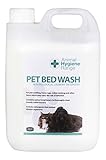
This dog bedding laundry detergent by Pretty Pooch effectively deodorises and cleans your pet bedding
It leaves behind a beautiful Fresh Linen fragrance and completely neutralises lingering odours
Use Clean Sheets to wash your dog’s bedding, blankets, and even their clothes!
With only 50ml-100ml required per use, you can get up to 100 uses out of one 5 litre bottle of Clean Sheets!
Use on a hot cycle (around 50°c) for best results. Simply add 50ml to 100ml of solution to the detergent drawer and run on a standard cycle. For both front loaders and top loaders.
What is a Calming Pet Bed and do they Really Work?
A calming pet bed is a bed that is designed to help pets relax and feel secure. They typically feature plush, supportive materials and a design that creates a sense of warmth and safety. Calming pet beds may also include features such as raised sides, which mimic the feeling of being in a den, and aromatherapy, which utilizes scents that are believed to have a calming effect on pets.
Whether or not calming pet beds actually work can depend on the individual pet. Some pets may find these beds to be comfortable and calming, while others may not have a strong reaction. Factors such as the pet’s breed, age, and health can all play a role in how well a calming pet bed works for them.
That being said, providing a pet with a comfortable and supportive place to rest is important for their overall well-being, and a calming pet bed can be a good option for some pets. If you’re considering a calming pet bed for your pet, it’s best to observe their behaviour and try out different options to see what they prefer.
A calming pet bed is a bed designed to help pets feel relaxed and secure. They often feature a plush, comfortable surface and a design that creates a cozy, den-like environment. Some calming pet beds may also include features like raised sides, calming scents, and supportive materials to help reduce anxiety and promote relaxation.
Calming pet beds are marketed towards pet owners who want to provide their pets with a comfortable and peaceful place to rest, especially for pets that experience anxiety, stress, or nervousness. However, it’s important to note that the effectiveness of a calming pet bed can vary depending on the individual pet and their specific needs.
If you’re considering a calming pet bed for your pet, it’s best to observe their behavior and preferences and choose a bed that provides the right level of comfort and support. Additionally, it may be helpful to try different calming techniques, such as aromatherapy or pheromones, to see what works best for your pet.





 One of the more challenging aspects of owning a dog is learning how to clean a dog’s bed. It’s understandable that this can be an overwhelming experience for some dog owners. Dogs just aren’t the same as human beings when it comes to cleanliness. You would be hard pressed to find a