Don't do it sign

How do you wash a dog bed that is not machine washable?

Wash Your Dog’s Bed Even When It’s Not Machine Washable!

How do you wash a dog bed that is not machine washable? Washing a dog bed that is not machine washable can be a bit challenging, but it is necessary to keep your furry friend’s bed clean and free of dirt, dust, and bacteria. Regular cleaning of your dog’s bed can help prevent odour and ensure your dog’s good health. In this article, we will discuss various methods and products that can be used to clean a dog bed that is not machine washable.

Method 1: Hand Wash

Hand washing is the most popular and easiest way to clean a dog bed that is not machine washable. The process is straightforward, and you can use household items to do it. Here are the steps to follow:

Step 1: Remove Loose Dirt and Hair

The first step is to remove any loose dirt and hair from the bed. You can use a brush, vacuum cleaner, or lint roller to remove the dirt and hair. Make sure to remove as much dirt and hair as possible before proceeding to the next step.

Before you begin the cleaning process, it’s essential to remove any loose dirt and hair from your dog’s bed. This step will make the cleaning process more effective and prevent dirt and hair from getting stuck in the washing machine or clogging up the drain.

You can remove loose dirt and hair using a vacuum cleaner, a lint roller, or a brush. Here are some tips for each method:

  1. Vacuum Cleaner

Using a vacuum cleaner with a handheld attachment is an effective way to remove loose dirt and hair from your dog’s bed. Here’s how to do it:

  • Start by removing any large clumps of dirt or hair by hand.
  • Use the vacuum cleaner to suck up any remaining dirt and hair from the surface of the bed. Pay special attention to seams and crevices where dirt and hair can get trapped.
  • If your vacuum cleaner has a brush attachment, use it to loosen any dirt and hair that’s stuck in the fabric.
  • Empty the vacuum cleaner’s canister or change the bag to prevent any dirt or hair from escaping.
  1. Lint Roller

If your dog’s bed is covered in hair but doesn’t have much loose dirt, a lint roller can be a quick and easy way to remove it. Here’s how to use a lint roller:

  • Start by removing any large clumps of hair by hand.
  • Use the lint roller to roll over the surface of the bed, picking up any remaining hair. Press firmly and roll in different directions to ensure you pick up all the hair.
  • If the lint roller becomes full of hair, peel off the used sheet and continue rolling until you’ve covered the entire surface of the bed.
  1. Brush

If your dog’s bed is covered in loose dirt, a brush can be an effective tool for removing it. Here’s how to use a brush:

  • Start by removing any large clumps of dirt by hand.
  • Use a stiff-bristled brush to brush the surface of the bed, loosening any dirt that’s stuck in the fabric.
  • If the bed has any seams or crevices, use a soft-bristled brush to remove any dirt that’s trapped.
  • Once you’ve brushed the entire surface of the bed, use a vacuum cleaner or lint roller to pick up any loose dirt that’s been loosened by the brush.

By following these steps, you can effectively remove loose dirt and hair from your dog’s bed before beginning the cleaning process. This will help to make the cleaning process more effective and prevent any dirt or hair from getting stuck in your washing machine or clogging up your drain.

Step 2: Soak the Bed in Water

Fill a large tub or sink with warm water and add a gentle detergent. Avoid using bleach or other harsh chemicals that can damage the fabric or irritate your dog’s skin. Soak the bed in the water for 10 to 15 minutes, depending on how dirty it is.

Step 3: Scrub the Bed

After soaking the bed, use a soft-bristled brush or sponge to scrub the bed gently. Pay special attention to areas that are heavily soiled or stained. You can also use a toothbrush to clean hard-to-reach areas.

Step 4: Rinse the Bed

Once you have finished scrubbing the bed, rinse it thoroughly with clean water. Make sure to remove all the soap residue to prevent skin irritation and to keep the bed smelling fresh.

Step 5: Dry the Bed

After rinsing the bed, squeeze out the excess water and hang it to dry in a well-ventilated area. Avoid drying the bed under direct sunlight or using a dryer as the heat can damage the fabric.

Method 2: Spot Clean

If your dog’s bed has small stains or spots, you can spot clean it instead of washing the entire bed. Spot cleaning is quicker and easier than hand washing, and you can do it in a few simple steps:

Spot cleaning is an important step in the process of cleaning a non-machine washable dog bed. It involves cleaning specific areas of the bed that are dirty or stained, rather than cleaning the entire bed. Spot cleaning can be done using a variety of methods, depending on the type of stain or dirt that needs to be removed.

Here are some methods for spot cleaning your dog’s bed:

  1. Baking Soda

Baking soda is an effective and natural way to remove odours from your dog’s bed. Here’s how to use baking soda for spot cleaning:

  • Sprinkle baking soda over the stained or dirty area of the bed.
  • Let the baking soda sit for at least 15 minutes to absorb the odour.
  • Use a vacuum cleaner or a lint roller to remove the baking soda and any loose dirt or hair.
  1. White Vinegar

White vinegar is another natural cleaning agent that can be used to remove stains and odors from your dog’s bed. Here’s how to use white vinegar for spot cleaning:

  • Mix one part white vinegar with one part water in a spray bottle.
  • Spray the stained or dirty area of the bed with the vinegar solution.
  • Let the solution sit for 10-15 minutes to penetrate the stain.
  • Blot the area with a clean cloth or paper towel to remove any excess moisture.
  1. Hydrogen Peroxide

Hydrogen peroxide is a powerful stain remover that can be used to remove tough stains from your dog’s bed. Here’s how to use hydrogen peroxide for spot cleaning:

  • Mix one part hydrogen peroxide with one part water in a spray bottle.
  • Spray the stained or dirty area of the bed with the solution.
  • Let the solution sit for 10-15 minutes to penetrate the stain.
  • Blot the area with a clean cloth or paper towel to remove any excess moisture.
  1. Enzymatic Cleaner

Enzymatic cleaners are specifically designed to break down and remove stains caused by urine, feces, vomit, and other bodily fluids. Here’s how to use an enzymatic cleaner for spot cleaning:

  • Apply the enzymatic cleaner to the stained area of the bed.
  • Let the cleaner sit for the amount of time specified on the label.
  • Blot the area with a clean cloth or paper towel to remove any excess moisture.

By using one of these methods for spot cleaning, you can effectively remove stains, odors, and dirt from your dog’s bed without having to wash the entire bed. It’s important to spot clean your dog’s bed regularly to maintain its cleanliness and prevent the buildup of dirt and bacteria.

Step 1: Blot the Stain

If the stain is fresh, blot it with a clean cloth or paper towel to absorb as much liquid as possible. Do not rub the stain as it can spread and make the stain worse.

Step 2: Apply a Stain Remover

Apply a stain remover or a mixture of baking soda and water to the stain. Let the solution sit for a few minutes to break down the stain.

Step 3: Scrub the Stain

After the solution has sat for a few minutes, use a soft-bristled brush or sponge to scrub the stain gently. Be careful not to damage the fabric or irritate your dog’s skin.

If you have a stubborn stain on your dog’s bed, you may need to scrub it to remove it completely. Scrubbing the stain can help to break it down and lift it from the fabric. Here’s how to scrub a stain from your dog’s bed:

  1. Apply Stain Remover

Before you begin scrubbing, apply a stain remover to the affected area. There are many pet-specific stain removers available on the market that are designed to break down and lift stains from pet bedding and fabrics. Apply the stain remover to the stain and let it sit for a few minutes to penetrate the fabric.

Applying a stain remover is an important step in removing stubborn stains from your dog’s bed. Pet-specific stain removers are formulated to break down and lift stains from pet bedding and fabrics without causing any harm to your dog or the bed. Here are the steps to apply a stain remover to your dog’s bed:

  1. Choose a Pet-Safe Stain Remover

When selecting a stain remover, it’s important to choose one that is safe for pets. Pet-specific stain removers are designed to be gentle on your dog’s skin and health, while still being effective at removing stains and odours. Look for products that are free of harsh chemicals and fragrances, and that are specifically labelled as pet-safe.

  1. Test the Stain Remover

Before applying the stain remover to your dog’s bed, it’s a good idea to test it on a small, inconspicuous area first. This will help you ensure that the product won’t damage or discolour the fabric. Apply a small amount of the stain remover to an area of the bed that is not visible, such as under a cushion or on the underside of the bed. Wait a few minutes, then rinse the area with water and blot dry. If there is no damage or discoloration, you can safely proceed with applying the stain remover to the stain.

  1. Apply the Stain Remover

Apply a generous amount of the pet-safe stain remover to the affected area of the bed. Use a cloth or a soft-bristled brush to work the stain remover into the fabric. Be sure to follow the manufacturer’s instructions on how much product to use and how long to let it sit.

  1. Let it Sit

After applying the stain remover, let it sit for the recommended amount of time. This will give the product time to penetrate the fabric and break down the stain. Be sure to keep your dog away from the bed while the stain remover is working, as some products can be harmful if ingested.

  1. Rinse the Area

Once the stain remover has had time to work, rinse the area thoroughly with water. Use a hose or a sink to rinse the area until the water runs clear and there are no suds or residue left on the fabric. Be sure to rinse the area well, as any leftover stain remover can attract dirt and cause the stain to reappear.

By following these steps, you can safely and effectively apply a pet-safe stain remover to your dog’s bed. Remember to always choose pet-safe products and to test them on a small area before applying them to the entire bed.

  1. Scrub the Stain

After the stain remover has had time to work, it’s time to start scrubbing the stain. Use a soft-bristled brush or a clean cloth to gently scrub the affected area. Be careful not to scrub too hard, as this can damage the fabric.

  1. Rinse with Water

Once you have scrubbed the stain, rinse the area with water to remove any leftover stain remover or dirt. You can use a hose or a sink to rinse the area thoroughly. Be sure to rinse the area until the water runs clear and there are no suds or residue left on the fabric.

  1. Blot the Area

After rinsing, use a clean cloth or paper towel to blot the area and remove any excess moisture. Be sure to blot gently to avoid damaging the fabric. You can also use a fan or open window to help the area dry more quickly.

By following these steps, you can effectively scrub a stubborn stain from your dog’s bed. However, it’s important to note that scrubbing should only be done as a last resort, as it can damage the fabric of the bed. In many cases, spot cleaning with a pet-specific stain remover and gentle scrubbing can be enough to remove most stains from your dog’s bed.

Step 4: Rinse the Stain

Once you have finished scrubbing the stain, rinse it thoroughly with clean water. Make sure to remove all the soap residue to prevent skin irritation and to keep the bed smelling fresh.

Step 5: Dry the Spot

After rinsing the spot, blot it with a clean cloth or paper towel to remove excess water. Hang the bed to dry in a well-ventilated area.

Best Products for Cleaning a Dog Bed

There are many products available in the market that can be used to clean a dog bed. Here are some of the best products you can use:

  1. Pet-Safe Detergent

Pet-safe detergent is specially formulated to clean pet bedding, blankets, and other fabrics. It is gentle on your dog’s skin and does not contain any harsh chemicals that can irritate your dog’s skin or cause allergies. Pet-safe detergents are usually made with natural ingredients such as plant-based enzymes and essential oils, which help to break down dirt and stains while leaving a fresh, clean scent.

Some popular pet-safe detergents include:

  • Seventh Generation Laundry Detergent
  • Puracy Natural Laundry Detergent
  • ECOS Pet Laundry Detergent
  1. Stain Remover

Stain removers are effective in removing tough stains and odors from your dog’s bed. They are designed to break down and dissolve stubborn stains caused by urine, feces, vomit, and other bodily fluids. Most stain removers are safe to use on various fabrics, including cotton, polyester, and nylon.

Some popular stain removers for pet beds include:

  • Rocco & Roxie Professional Strength Stain & Odor Eliminator
  • Nature’s Miracle Stain and Odor Remover
  • Simple Solution Extreme Stain and Odor Remover
  1. Fabric Freshener

Fabric fresheners are great for neutralizing odours and keeping your dog’s bed smelling fresh between washes. They come in a variety of scents and are safe to use on all types of fabrics.

Some popular fabric fresheners for pet beds include:

  • Febreze Fabric Refresher
  • Lysol Fabric Mist
  • Zero Odor Fabric Refresher
  1. Carpet Cleaner

If your dog’s bed is placed on a carpeted area, you may want to consider using a carpet cleaner to remove any dirt or stains that may have seeped into the carpet fibers. Carpet cleaners are designed to lift and remove dirt, stains, and odours from carpets and rugs.

Some popular carpet cleaners for pet owners include:

  • Bissell Pet Stain Eraser
  • Hoover Power Scrub Elite Pet Upright Carpet Cleaner
  • Rug Doctor Portable Spot Cleaner

Conclusion

Cleaning your dog’s bed is an important part of maintaining their good health and hygiene. While machine-washable beds are easy to clean, non-machine washable beds require a bit more effort. By following the methods and using the products outlined in this article, you can ensure that your dog’s bed is clean, fresh, and free of harmful bacteria and allergens. Remember to always use pet-safe products and avoid harsh chemicals that can irritate your dog’s skin.

Cleaning a non-machine washable dog bed may seem like a daunting task, but with the right methods and products, it can be done effectively and efficiently. By following the steps outlined above, you can ensure that your dog’s bed is clean, fresh-smelling, and free from dirt, hair, and stains.

When cleaning your dog’s bed, it’s important to use pet-safe products that won’t harm your dog’s skin or health. Pet-specific detergents and enzymatic cleaners are designed to clean pet bedding and fabrics without causing any harm to your dog. These products are also effective at removing stubborn stains and odors caused by bodily fluids.

Removing loose dirt and hair from your dog’s bed before cleaning is also an essential step. This will make the cleaning process more effective and prevent dirt and hair from getting stuck in your washing machine or clogging up your drain.

Spot cleaning is another important step in the process of cleaning a non-machine washable dog bed. This involves cleaning specific areas of the bed that are dirty or stained, rather than cleaning the entire bed. Baking soda, white vinegar, hydrogen peroxide, and enzymatic cleaners are all effective methods for spot cleaning.

In conclusion, keeping your dog’s bed clean is important for their health and well-being. A dirty bed can harbor bacteria, allergens, and pests that can harm your dog’s health. By following the methods and using the products outlined above, you can ensure that your dog’s bed is clean, fresh-smelling, and free from dirt, hair, and stains. A clean bed will also provide your dog with a comfortable and safe place to rest, which is essential for their overall happiness and well-being.
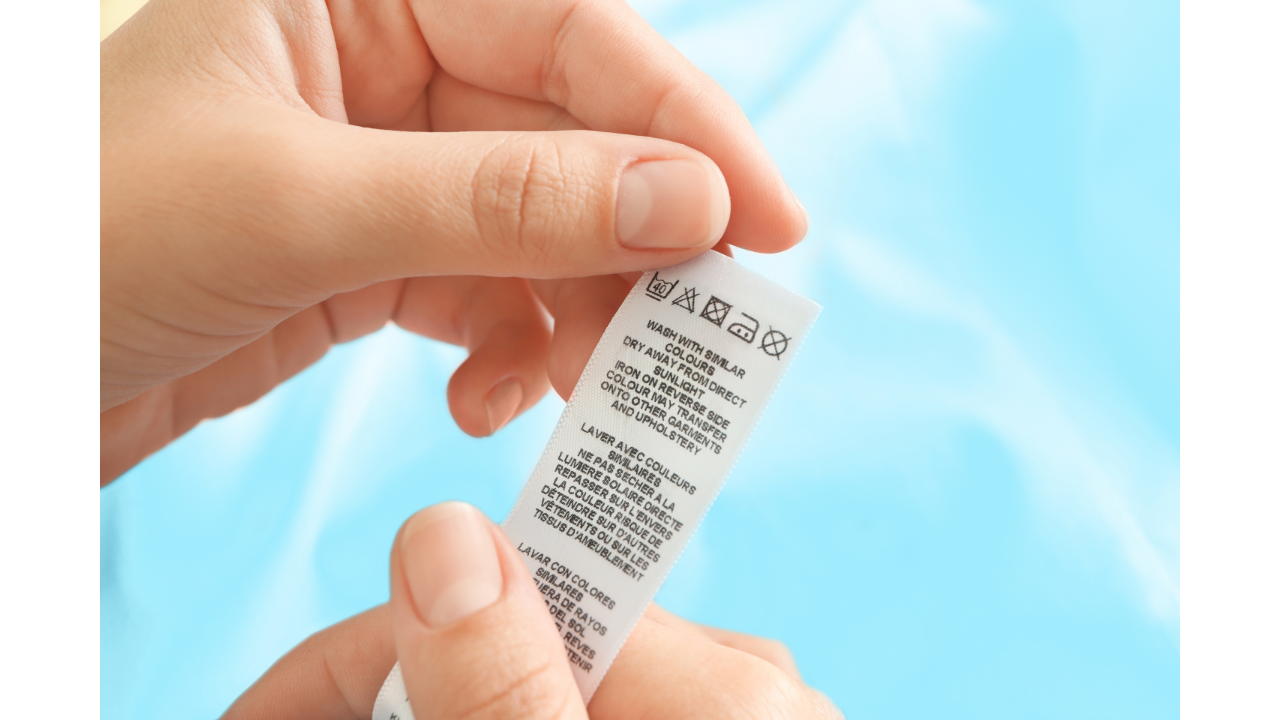
washing label showing washing instructions

Can I wash a heated pet bed?

Can You Wash a Heated Pet Bed? Get the Inside Scoop!

Can I Wash A Heated Pet Bed? Heated pet beds are a popular accessory for pet owners who want to provide their furry companions with a warm and cosy place to rest. These beds come in a variety of sizes and shapes and are designed to be plugged into an electrical outlet to provide warmth and comfort for your pet.

One question that many pet owners have when it comes to using a heated pet bed is whether or not they can be washed. While it’s important to keep your pet’s bed clean and hygienic, it’s also important to ensure that you’re cleaning it properly and not damaging the heating element or electrical components.

The answer to whether or not you can wash a heated pet bed will depend on several factors, including the type of bed, the materials it’s made of, and the manufacturer’s instructions. In general, it’s important to follow the manufacturer’s recommendations for cleaning and care to ensure that the bed is kept clean and safe for your pet to use.

Understanding Heated Pet Beds


Before we answer the question of whether or not you can wash a heated pet bed, it is important to understand how these beds work. A heated pet bed is designed to provide warmth and comfort to your pet by generating heat through an internal heating element. This element is usually located underneath the bed’s surface and is designed to maintain a constant temperature to keep your pet warm and cozy.

Types of Heated Pet Beds

There are different types of heated pet beds available in the market, including electric and self-warming beds. Electric beds require an electrical outlet to operate and usually come with a cord that needs to be plugged in. Self-warming beds, on the other hand, do not require any electricity and use your pet’s body heat to provide warmth.

Can You Wash a Heated Pet Bed?

The answer to this question depends on the type of heated pet bed you have. Self-warming beds are usually machine washable and can be washed on a gentle cycle using mild detergent. However, it is important to check the manufacturer’s instructions before washing to ensure that you do not damage the bed’s heating element.

Electric heated pet beds, on the other hand, are not usually machine washable. These beds usually come with a detachable cover that can be washed separately. However, it is important to avoid washing the heating element as this can damage it and pose a risk to your pet’s safety.

Cleaning Your Heated Pet Bed

Regardless of the type of heated pet bed you have, it is important to keep it clean to ensure your pet’s health and safety. Here are some tips for cleaning your heated pet bed:

  1. Read the manufacturer’s instructions: Before cleaning your heated pet bed, always read the manufacturer’s instructions. These instructions will provide you with specific information on how to clean the bed without damaging its heating element.
  2. Remove any loose debris: Start by removing any loose debris, such as pet hair or dirt, from the bed’s surface. You can use a soft brush or vacuum cleaner to do this.
  3. Spot clean any stains: If there are any stains on the bed’s surface, you can spot clean them using a mild detergent and warm water. Be sure to rinse the bed thoroughly and allow it to air dry completely before using it again.
  4. Wash the cover: If your heated pet bed comes with a detachable cover, you can wash it separately according to the manufacturer’s instructions. Be sure to use a gentle cycle and mild detergent and avoid using bleach or fabric softener.
  5. Do not submerge the bed: It is important to avoid submerging the bed in water as this can damage its heating element and pose a risk to your pet’s safety.

Here are some general guidelines to follow when it comes to washing a heated pet bed:


  1. Check the manufacturer’s instructions

The first and most important step in cleaning a heated pet bed is to check the manufacturer’s instructions. These instructions will provide important information on how to clean the bed safely and effectively, including whether or not it’s safe to wash the bed, what cleaning products to use, and how to avoid damaging the heating element or electrical components.

  1. Remove the heating element

If it’s safe to wash your pet’s bed, the next step is to remove the heating element. This will ensure that it doesn’t get damaged during the washing process and that it’s not exposed to water or moisture.

  1. Use a gentle cycle

When washing your pet’s bed, it’s important to use a gentle cycle and avoid using hot water or harsh detergents. This will help protect the bed’s materials and prevent any damage or shrinkage. Additionally, you may want to consider using a mild, pet-safe detergent to avoid any potential skin irritation or allergic reactions.

  1. Air dry the bed

After washing your pet’s bed, it’s important to let it air dry completely before using it again. This will help prevent any damage to the heating element or electrical components and ensure that the bed is safe and ready for your pet to use. Avoid using a dryer or exposing the bed to direct sunlight, as this can cause damage or shrinkage to the bed’s materials.

  1. Check for damage

After washing and drying your pet’s bed, it’s important to check for any signs of damage or wear and tear. If the bed’s materials are damaged or if the heating element is not working properly, you should replace the bed immediately to ensure your pet’s safety and comfort.

It’s important to note that not all heated pet beds can be washed, and some may require special cleaning methods or materials. Additionally, it’s important to avoid using any cleaning products or methods that may damage the heating element or electrical components, as this can pose a safety hazard for your pet.

If you’re unsure about whether or not you can wash your pet’s bed, or if you have any concerns about how to clean it safely and effectively, it’s always a good idea to consult with the manufacturer or your veterinarian. They can provide personalized advice and guidance on how to care for your pet’s bed and ensure that it’s kept clean and safe for your pet to use.

In conclusion


Whether or not you can wash a heated pet bed will depend on several factors, including the type of bed, the materials it’s made of, and the manufacturer’s instructions. If it’s safe to wash the bed, it’s important to follow the manufacturer’s recommendations for cleaning and care to ensure that the bed is kept clean and safe for your pet to use. If you’re unsure about how to clean your heated pet bed, it’s always a good idea to contact the manufacturer or consult with a veterinarian for guidance.

Some heated pet beds are designed with removable covers that can be machine washed or hand washed, while others may require spot cleaning or professional cleaning. It’s important to check the care instructions for your specific bed to determine the best method of cleaning.

If the bed does not have a removable cover, it may be necessary to clean the entire bed. However, it’s important to be cautious when cleaning a heated pet bed, as water and electricity can be a dangerous combination. Before attempting to clean the bed, make sure that it’s unplugged and that the heating element is removed or turned off.

If the bed is machine washable, use a gentle cycle and mild detergent. Avoid using harsh detergents, bleach, or fabric softeners, as these can damage the materials or affect the heating element. After washing, air dry the bed thoroughly before using it again.

If the bed is not machine washable, spot clean it using a mild detergent and a damp cloth. Be careful not to saturate the bed with water, as this can damage the heating element. After spot cleaning, allow the bed to air dry completely before using it again.

It’s important to regularly clean your pet’s heated bed to prevent the build-up of dirt, hair, and bacteria. This can help keep your pet healthy and comfortable, as well as extend the life of the bed.


Cleaning products for pet beds


[amalinkspro_table id=”5933″ aff-id=”thebootboutiq-21″ new-window=”on” nofollow=”on” addtocart=”on” /]


Related posts:

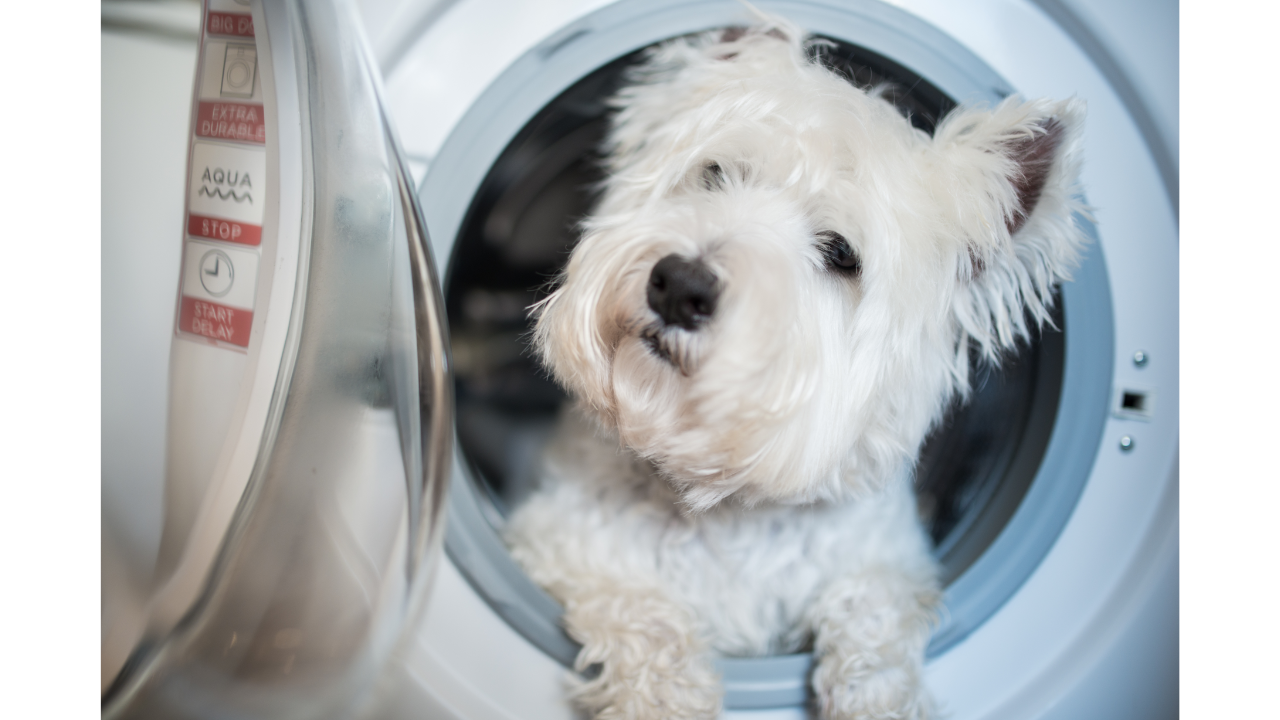
Dog sitting in washing machine

Can you wash foam dog bed?

Cleanliness is Next to Dogliness: How to Keep Your Pooch’s Bed Fresh

Can you wash foam dog bed? Yes, you can wash foam dog bed with care by following some simple steps. As a dog owner, you know how important it is to keep your furry friend’s bedding clean and fresh. One of the most popular choices for dog beds is foam beds, which provide comfort and support for your pet. However, cleaning foam dog beds can be a bit tricky, as you don’t want to damage the foam while trying to clean it. In this blog post, we’ll take a look at how to wash a foam dog bed safely and effectively.

Step 1: Check the care label

Before you start washing your dog’s foam bed, check the care label for any specific instructions. Some foam beds may have a removable cover that you can machine wash, while others may need to be hand-washed or spot cleaned. If there are no care instructions available, proceed with caution and use gentle cleaning methods.

Step 2: Remove any loose dirt and debris

Start by removing any loose dirt and debris from the foam bed. You can use a soft-bristled brush or a vacuum cleaner with a soft brush attachment to remove any dirt, hair, or debris. Be gentle while doing this, as you don’t want to damage the foam.

Step 3: Spot clean any stains

If there are any stains on the foam bed, spot clean them using a mild detergent and warm water. Mix the detergent with water and apply the solution to the stained area. Use a soft-bristled brush to gently scrub the area and then rinse with clean water. Be sure to remove all the detergent from the foam, as any residue can attract dirt and dust.

Step 4: Hand-wash or machine wash the cover

If the foam bed has a removable cover, you can either hand-wash it or machine wash it, depending on the care label instructions. Use a gentle detergent and cold water, and avoid using bleach or fabric softeners. Once the cover is washed, hang it to dry or tumble dry on a low heat setting.

Step 5: Air-dry the foam bed

Once the cover is washed and dried, it’s time to dry the foam bed. Avoid using a dryer, as the high heat can damage the foam. Instead, air-dry the foam bed by placing it in a well-ventilated area, out of direct sunlight. You can prop the bed up on its side to help it dry more quickly.

Conclusion

In conclusion, cleaning a foam dog bed requires a bit of care and attention, but it’s an important task to keep your pet’s bedding clean and fresh. By following the steps outlined in this blog post, you can safely and effectively wash your dog’s foam bed, and keep them happy and comfortable.

Pet stain removers


[amalinkspro_table id=”5919″ aff-id=”thebootboutiq-21″ new-window=”on” nofollow=”on” addtocart=”on” /]

smart dog wearing glasses on laptop

How to wash a dog bed without removable cover

Dirty dog bed? No problem! Learn how to wash your dog’s bed without a removable cover!

Washing a dog bed without a removable cover can be a bit more challenging, but it is still possible to do a thorough cleaning. Here’s how:

  1. Start by removing any loose debris, pet hair, and large dirt particles from the bed. You can use a vacuum cleaner or a lint roller to remove any loose debris.
  2. Fill a bathtub or large sink with warm water and add a pet-safe detergent to the water. Mix the detergent well to ensure it is evenly distributed in the water.
  3. Place the dog bed in the bathtub or sink and use a clean cloth or a soft-bristled brush to gently scrub the bed. Pay extra attention to any soiled areas or stains.
  4. Once you’ve scrubbed the bed thoroughly, drain the soapy water and refill the bathtub or sink with clean, warm water. Rinse the bed well to remove any remaining soap residue.
  5. Squeeze as much excess water out of the bed as possible and then blot it with a clean towel to help remove any additional moisture.
  6. Finally, place the bed in a well-ventilated area to air dry completely. You may want to flip the bed over periodically to ensure it dries evenly on all sides.

It’s important to note that washing a dog bed without a removable cover can be more time-consuming than washing a bed with a removable cover. However, it’s still important to keep your dog’s bed clean and free from dirt, bacteria, and other contaminants to help ensure your dog stays healthy and comfortable.

washing dog blanket

How often should you wash pet bedding and blankets?

How often should you wash pet bedding and blankets?

It’s recommended to wash pet bedding and blankets every 1-2 weeks, or as often as needed based on the amount of dirt, odour, and pet hair build-up. Some pet owners may need to wash them more frequently, while others may only need to wash them once a month. Factors such as the type of pet, the size of the bedding, and the frequency of use can impact how often they need to be washed.

When cleaning a pet bed, it is best to use a mild detergent that is free of harsh chemicals and fragrances. A pet-safe, unscented laundry detergent or baking soda mixed with water can effectively remove dirt and odours. Avoid using bleach or fabric softeners, as these can be toxic or irritate a pet’s skin.

If your pet has any specific skin sensitivities or allergies, consider using a pet-specific laundry detergent. Always follow the manufacturer’s care instructions when washing pet beds.

The frequency with which you should wash your pet’s bedding and blankets depends on various factors, such as the type of pet, the pet’s shedding habits, and whether the pet spends a lot of time outdoors. However, as a general rule of thumb, it is a good idea to wash pet bedding and blankets at least once a week, or more often if they become visibly soiled or have a strong odor.

For pets with skin allergies, it is recommended to wash their bedding and blankets more frequently, such as every few days, to help reduce exposure to potential allergens.

In addition to washing the bedding and blankets, it is also important to vacuum pet areas regularly to remove any loose hair and debris that may have accumulated. This will help keep the bedding and blankets clean for longer and reduce the risk of allergic reactions and other health issues for your pets.

Tips for washing pet bedding


  1. Check the washing instructions: Before washing your dog’s bedding, check the washing instructions. Some bedding may require specific washing instructions or need to be washed by hand.
  2. Shake out loose hair and debris: Before placing the bedding in the washing machine, shake out any loose hair, dirt, or debris. This will help prevent clogging in your washing machine and ensure that the bedding is thoroughly cleaned.
  3. Use the right detergent: Use a mild detergent that is safe for your dog’s skin. Avoid using fabric softeners or bleach, as they can irritate your dog’s skin.
  4. Wash in hot water: Wash the bedding in hot water to kill any bacteria or germs that may be present. Use the highest temperature setting that is safe for the bedding material.
  5. Dry thoroughly: After washing, make sure to dry the bedding thoroughly. Use a high heat setting in the dryer or hang the bedding outside to dry. Avoid using dryer sheets, as they can irritate your dog’s skin.
  6. Clean the washing machine: After washing your dog’s bedding, clean your washing machine to prevent any remaining hair or dirt from clogging the machine. You can run an empty cycle with hot water and vinegar to clean the machine.
  7. Wash bedding regularly: It is important to wash your dog’s bedding regularly to keep it clean and free of bacteria and germs. Aim to wash it at least once a week or more frequently if it gets dirty or smells bad.

Best way to dry pet bedding


The best way to dry pet bedding will depend on the type of bedding and the resources available to you. Here are a few options:

  1. Machine dry: If your pet’s bedding can be machine-washed, it can usually also be machine-dried. Use the appropriate heat setting for the material and make sure the bedding is completely dry before putting it back in use.
  2. Line dry: If machine drying is not an option, you can hang the bedding outside on a clothesline to dry. This is a good option for bedding that is made of natural fibers, such as cotton or wool. However, be sure to keep it out of direct sunlight to prevent fading.
  3. Air dry: Another option is to air-dry the bedding indoors by laying it flat on a clean, dry surface. This is a good option for bedding that is not too thick or heavy, and can be easily spread out to dry.
  4. Use a dryer or dehumidifier: In humid climates, it may be difficult to dry pet bedding completely. In this case, you may want to use a dryer or dehumidifier to speed up the drying process and prevent mould or mildew from developing.

Remember to always follow the care instructions on the bedding label and avoid using high heat on delicate fabrics. It’s also a good idea to regularly wash and dry pet bedding to prevent the build-up of bacteria and allergens.

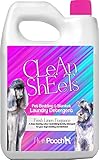
Pretty Pooch Dog Bedding Cleaner Laundry Detergent - 5 Litres - Fresh Linen Fragrance - Deeply Cleans & Deodorises Pet Bedding & Blankets

  • This dog bedding laundry detergent by Pretty Pooch effectively deodorises and cleans your pet bedding
  • It leaves behind a beautiful Fresh Linen fragrance and completely neutralises lingering odours
  • Use Clean Sheets to wash your dog’s bedding, blankets, and even their clothes!
  • With only 50ml-100ml required per use, you can get up to 100 uses out of one 5 litre bottle of Clean Sheets!
  • Use on a hot cycle (around 50°c) for best results. Simply add 50ml to 100ml of solution to the detergent drawer and run on a standard cycle. For both front loaders and top loaders.

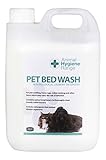
Animal Hygiene Range Pet Bed Wash, 2.5 Litre, clear


  • Laundry detergent
  • Suitable for all pet bedding
  • Kills disease organisms even on a low temperature
  • Item display volume: 2500.0 millilitres