Women cuddling pet rabbit

Do Rabbits need beds?

The Ultimate Guide to Rabbit Beds: Do Your Bunnies Need Them?

Rabbits are popular pets all around the world due to their fluffy and adorable appearance. These small mammals are known for their playful and friendly nature, and they make great companions for both children and adults. But when it comes to their living arrangements, many pet owners wonder if rabbits need beds.

The short answer is yes, rabbits do need a designated sleeping area, which can be in the form of a bed. In this blog post, we will explore the reasons why rabbits need beds, the different types of beds available, and how to choose the right bed for your furry friend.

Why do rabbits need beds?

Just like humans, rabbits need a comfortable and safe place to rest and sleep. Rabbits spend a significant portion of their day sleeping, and a good night’s sleep is crucial for their overall health and well-being. Without a designated sleeping area, rabbits may feel stressed and anxious, which can lead to a range of health issues such as obesity, digestive problems, and even aggression.

In addition to providing a comfortable sleeping area, a rabbit bed can also help with temperature regulation. Rabbits are sensitive to temperature changes, and a bed can provide insulation and warmth during colder months. During warmer months, a bed can also offer a cool and comfortable surface for your rabbit to rest on.

Types of Rabbit Beds

There are various types of rabbit beds available in the market, and each comes with its unique features and benefits. Here are some of the most popular types of rabbit beds:

  1. Hay beds

Hay beds are made of compressed hay and are an excellent choice for rabbits who enjoy chewing. These beds provide a comfortable and cosy sleeping area while also providing a source of fiber that rabbits need in their diet. Hay beds are also biodegradable and environmentally friendly, making them an ideal choice for eco-conscious pet owners.

  1. Fleece beds

Fleece beds are soft and comfortable, and they come in various colours and designs. These beds are easy to clean and maintain, and they provide a warm and cosy sleeping area for your rabbit. Fleece beds are also lightweight and portable, making them perfect for travel.

  1. Wicker beds

Wicker beds are made of natural materials such as wicker, wood, or bamboo. These beds are sturdy and durable, and they provide excellent ventilation, which can help regulate your rabbit’s body temperature. Wicker beds also provide a natural and rustic look to your rabbit’s living space.

  1. Cardboard beds

Cardboard beds are made of recycled cardboard and are an excellent choice for rabbits who love to chew. These beds are easy to assemble and are lightweight, making them perfect for travel. Cardboard beds are also inexpensive and eco-friendly, making them a popular choice among pet owners.

  1. Plastic beds

Plastic beds are sturdy and durable and are an excellent choice for outdoor living spaces. These beds are easy to clean and maintain, and they provide excellent insulation against the elements. Plastic beds are also available in various colours and designs, making them a popular choice among pet owners who want to add a pop of colour to their rabbit’s living space.

How to choose the right bed for your rabbit

Choosing the right bed for your rabbit can be overwhelming, given the wide range of options available. Here are some factors to consider when choosing a bed for your furry friend:

  1. Size

The size of the bed is an important factor to consider when choosing a bed for your rabbit. The bed should be big enough for your rabbit to stretch out comfortably, but not so big that it takes up too much space in your rabbit’s living area. A good rule of thumb is to choose a bed that is at least twice the size of your rabbit.

  1. Material

The material of the bed is another important factor to consider. Some rabbits may have allergies or sensitivities to certain materials, so it’s important to choose a bed made from safe and non-toxic materials. Additionally, some materials may be more durable than others, so if your rabbit is a chewer, you may want to choose a bed made from more sturdy materials such as wicker or plastic.

  1. Comfort

Comfort is key when it comes to choosing a bed for your rabbit. The bed should be soft and comfortable, with enough cushioning to provide support for your rabbit’s joints. Fleece beds and hay beds are both excellent choices for providing comfort, as they offer a soft and cosy surface for your rabbit to rest on.

  1. Cleaning and maintenance

It’s important to choose a bed that is easy to clean and maintain, as a dirty or soiled bed can lead to health issues for your rabbit. Beds made from materials such as plastic or fleece are easy to wipe down and clean, while hay beds may need to be replaced more frequently.

  1. Location

The location of the bed is also an important factor to consider. If your rabbit lives outdoors, you may want to choose a bed made from more durable materials such as plastic or wicker, as they can withstand the elements. If your rabbit lives indoors, a softer bed made from materials such as fleece may be a better choice.

Conclusion


In conclusion, rabbits do need beds, as they provide a comfortable and safe sleeping area for your furry friend. There are various types of rabbit beds available, each with its unique features and benefits. When choosing a bed for your rabbit, consider factors such as size, material, comfort, cleaning and maintenance, and location. With the right bed, your rabbit can enjoy a good night’s sleep and a happy and healthy life.

Beds suitable for Rabbits


[amalinkspro_table id=”6458″ aff-id=”undefined” new-window=”on” nofollow=”on” addtocart=”on” /]

Recyclable image

Are dog beds recyclable?

Eco-Friendly Dog Owners Rejoice: Are Dog Beds Recyclable?

Are dog beds recyclable? As a responsible pet owner, you may be wondering about the environmental impact of your furry friend’s accessories, including their bed. Dog beds are an essential item for your pet’s comfort and health, but what happens when it’s time to replace them? Can dog beds be recycled, or do they end up in landfills? In this blog post, we’ll explore the world of dog bed recycling and find out what options are available.

First, let’s look at the different types of dog beds that are available in the market. There are several types of dog beds, including foam beds, polyester-filled beds, and natural fibre beds.

Foam beds are made of polyurethane foam and are known for their comfort and support. However, foam beds can be difficult to recycle as they are not biodegradable and take hundreds of years to decompose in landfills.

Polyester-filled beds are made of synthetic fibres and are a popular choice for pet owners because they are affordable and easy to clean. However, like foam beds, polyester-filled beds are not biodegradable and can take a long time to decompose in landfills.

Natural fibre beds are made of materials such as cotton, wool, and hemp. These beds are becoming more popular as pet owners become more environmentally conscious. Natural fiber beds are biodegradable and can be composted, making them the most eco-friendly option for pet owners.

So, are dog beds recyclable? The short answer is that it depends on the type of dog bed and the recycling facilities in your area.

Foam dog beds

As we mentioned earlier, foam dog beds are made of polyurethane foam, which is not biodegradable and takes hundreds of years to decompose in landfills. However, some companies have started recycling foam beds by shredding the foam and using it to make new products such as carpet padding, insulation, and furniture padding.

If you have a foam dog bed that you want to recycle, check with your local recycling facility to see if they accept foam products. Some recycling facilities have strict guidelines on what types of foam they accept, so it’s essential to check before dropping off your foam dog bed.

Polyester-filled dog beds

Polyester-filled dog beds are made of synthetic fibres, which are not biodegradable and can take a long time to decompose in landfills. However, some polyester-filled dog beds can be recycled, depending on the type of filling used.

If your polyester-filled dog bed has a removable cover, check the care label for instructions on how to remove the filling. Some dog beds have a zippered opening that allows you to remove the filling easily. Once the filling is removed, check with your local recycling facility to see if they accept polyester fibres.

Natural fibre dog beds

Natural fibre dog beds are the most eco-friendly option for pet owners, as they are biodegradable and can be composted. If you have a natural fibre dog bed that is no longer usable, you can compost it in your backyard compost bin or drop it off at a commercial composting facility.

If your natural fibre dog bed is still in good condition, consider donating it to a local animal shelter or rescue organization. Many shelters and rescues are in need of bedding for their animals and will gladly accept gently used dog beds.

Tips for choosing an eco-friendly dog bed

If you’re looking for an eco-friendly dog bed, there are several factors to consider. Here are some tips to help you choose a dog bed that is both comfortable for your furry friend and environmentally friendly:

  1. Material: Look for dog beds made from natural and sustainable materials such as organic cotton, wool, or hemp. These materials are biodegradable and can be composted at the end of their life. Avoid dog beds made from synthetic materials such as polyester or nylon, as these materials are not biodegradable and can take hundreds of years to decompose in landfills.
  2. Manufacturing: Choose a dog bed that is made by a company that prioritizes sustainability and environmentally responsible manufacturing practices. Look for certifications such as GOTS (Global Organic Textile Standard) or OEKO-TEX, which ensure that the materials used in the bed are organic and free from harmful chemicals.
  3. Durability: A durable dog bed will last longer and reduce the need for frequent replacements. Look for beds that are made with high-quality materials and sturdy construction to ensure they withstand your dog’s daily wear and tear.
  4. Washability: Choose a dog bed that is easy to clean and maintain. Look for beds that have removable and washable covers, making it easy to keep the bed clean and fresh.
  5. Size: Choose a dog bed that is appropriately sized for your pet. A bed that is too small will not provide enough support, while a bed that is too large will take up unnecessary space and waste resources.
  6. Donation or recycling options: Some companies offer recycling programs for their dog beds or donate them to animal shelters or rescue organizations. Look for companies that prioritize reducing waste and offer these options to extend the life of the bed.

By considering these factors when choosing a dog bed, you can help reduce your environmental impact while providing a comfortable and safe space for your furry friend.

Conclusion

Choosing an eco-friendly dog bed can be a great way to reduce your environmental impact while providing your furry friend with a comfortable place to rest. By prioritizing materials, manufacturing processes, durability, washability, size, and recycling or donation options, you can find a dog bed that meets your pet’s needs while also being kind to the planet. It’s important to do your research and choose a bed that aligns with your values and lifestyle. By making small changes like choosing an eco-friendly dog bed, we can all make a difference in creating a more sustainable future for ourselves and our furry companions.


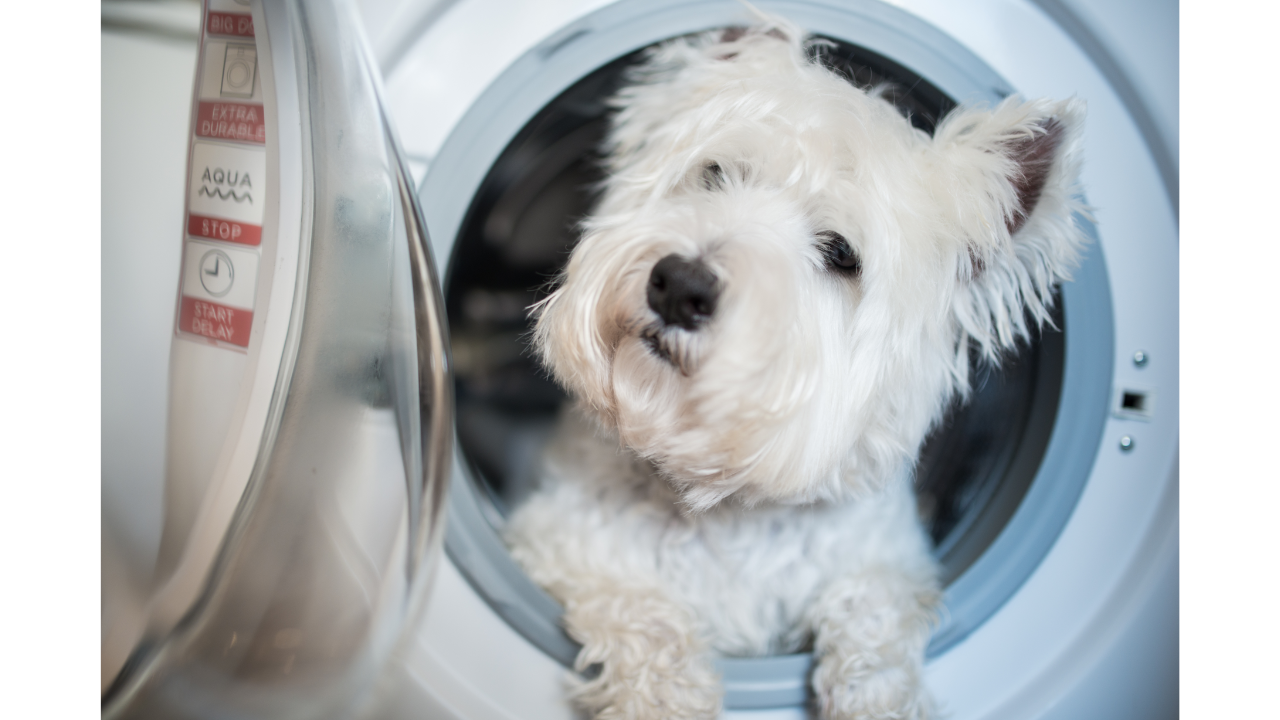
Dog sitting in washing machine

Can you wash foam dog bed?

Cleanliness is Next to Dogliness: How to Keep Your Pooch’s Bed Fresh

Can you wash foam dog bed? Yes, you can wash foam dog bed with care by following some simple steps. As a dog owner, you know how important it is to keep your furry friend’s bedding clean and fresh. One of the most popular choices for dog beds is foam beds, which provide comfort and support for your pet. However, cleaning foam dog beds can be a bit tricky, as you don’t want to damage the foam while trying to clean it. In this blog post, we’ll take a look at how to wash a foam dog bed safely and effectively.

Step 1: Check the care label

Before you start washing your dog’s foam bed, check the care label for any specific instructions. Some foam beds may have a removable cover that you can machine wash, while others may need to be hand-washed or spot cleaned. If there are no care instructions available, proceed with caution and use gentle cleaning methods.

Step 2: Remove any loose dirt and debris

Start by removing any loose dirt and debris from the foam bed. You can use a soft-bristled brush or a vacuum cleaner with a soft brush attachment to remove any dirt, hair, or debris. Be gentle while doing this, as you don’t want to damage the foam.

Step 3: Spot clean any stains

If there are any stains on the foam bed, spot clean them using a mild detergent and warm water. Mix the detergent with water and apply the solution to the stained area. Use a soft-bristled brush to gently scrub the area and then rinse with clean water. Be sure to remove all the detergent from the foam, as any residue can attract dirt and dust.

Step 4: Hand-wash or machine wash the cover

If the foam bed has a removable cover, you can either hand-wash it or machine wash it, depending on the care label instructions. Use a gentle detergent and cold water, and avoid using bleach or fabric softeners. Once the cover is washed, hang it to dry or tumble dry on a low heat setting.

Step 5: Air-dry the foam bed

Once the cover is washed and dried, it’s time to dry the foam bed. Avoid using a dryer, as the high heat can damage the foam. Instead, air-dry the foam bed by placing it in a well-ventilated area, out of direct sunlight. You can prop the bed up on its side to help it dry more quickly.

Conclusion

In conclusion, cleaning a foam dog bed requires a bit of care and attention, but it’s an important task to keep your pet’s bedding clean and fresh. By following the steps outlined in this blog post, you can safely and effectively wash your dog’s foam bed, and keep them happy and comfortable.

Pet stain removers


[amalinkspro_table id=”5919″ aff-id=”thebootboutiq-21″ new-window=”on” nofollow=”on” addtocart=”on” /]
Related posts:

dog under a blanket

Why do dogs sleep under covers?

Why Do Dogs Love Sleeping Under Covers? Unveiling The Secret Reasons

Why do dogs sleep under covers? Dogs have been known to be man’s best friend for centuries, and over the years, they have become an integral part of our lives. From being our loyal companions to our protectors and entertainers, dogs have brought joy and happiness to our homes. One of the most common behaviours of dogs that has fascinated many pet owners is their tendency to sleep under covers. This behaviour has left many people wondering why dogs do it. In this blog post, we will explore the reasons why dogs sleep under covers.

  1. Instinct

Dogs are descendants of wolves, and like their ancestors, they have a natural instinct to seek out a den or a sheltered area to sleep. In the wild, wolves would dig a hole, cover it with leaves or grass and sleep inside. This behaviour kept them safe from predators and provided warmth during the cold nights. Although our dogs no longer live in the wild, they still carry this instinct to find a secure and comfortable place to sleep.

  1. Warmth

One of the primary reasons why dogs sleep under covers is for warmth. Dogs have a higher body temperature than humans, and when they sleep, their body temperature drops slightly. By sleeping under covers, dogs can regulate their body temperature and stay warm throughout the night. This is especially important for dogs that have thin coats or are susceptible to cold weather.

  1. Comfort

Just like humans, dogs crave comfort when they sleep. Sleeping under covers provides a sense of security and comfort for dogs, much like being hugged by their owners. It’s a way for dogs to feel safe and protected while they sleep. Additionally, sleeping under covers can reduce noise and light, creating a peaceful environment for dogs to rest.

  1. Anxiety

Some dogs may sleep under covers as a way to cope with anxiety. Dogs that suffer from separation anxiety or noise phobia may feel more secure and less anxious when they are sleeping under covers. The covers can muffle sounds and create a safe space for the dog to retreat to when they feel stressed.

  1. Breed Characteristics

Some dog breeds are more likely to sleep under covers than others. Breeds such as Chihuahuas, Dachshunds, and Yorkies are known for their love of burrowing and are more likely to sleep under covers than other breeds. This behaviour is likely due to their breeding history, as these breeds were originally bred to hunt and burrow.

  1. Illness or Pain

In some cases, dogs may sleep under covers as a way to alleviate pain or discomfort. Dogs that are recovering from surgery or have an injury may seek out a warm, comfortable place to rest. Sleeping under covers can provide the extra warmth and comfort needed to help the dog heal. Additionally, dogs that suffer from arthritis or other chronic conditions may find sleeping under covers more comfortable.

  1. Pack Behaviour

Dogs are social animals and thrive on being part of a pack. When dogs sleep under covers, they may be trying to mimic the behaviour of their pack. In a pack, dogs will often sleep close together for warmth and security. By sleeping under covers, dogs may be trying to recreate this feeling of closeness and security.

It’s important to note that not all dogs will sleep under covers. Some dogs may prefer to sleep on top of covers or in a crate or bed. Additionally, not all pet owners may feel comfortable with their dogs sleeping under covers, and that’s perfectly fine. As long as your dog has a comfortable and safe place to sleep, they will be happy.

Conclusion

In conclusion, dogs sleeping under covers is a natural behaviour that has been passed down from their ancestors. Dogs seek warmth, comfort, security, and mimic pack behaviour, all of which can be achieved by sleeping under covers. If your dog enjoys sleeping under covers, provide them with a safe and comfortable place to do so. Ensure that the covers are not too heavy or restrictive, as this can cause your dog to overheat or become uncomfortable. Choose blankets or covers that are easy to clean, as dogs can shed and leave behind dirt and hair. Additionally, it’s essential to regularly check your dog’s sleeping area to ensure that it’s clean and free from any potential hazards.

If you have concerns about your dog’s sleeping habits or notice any changes in their behaviour, it’s essential to consult with a veterinarian. They can help determine if there are any underlying health issues that may be causing your dog to sleep under covers or provide guidance on how to create a safe and comfortable sleeping environment for your dog.

In summary, dogs sleep under covers for various reasons, including warmth, comfort, anxiety, breed characteristics, illness, pain, and pack behaviour. Understanding why your dog sleeps under covers can help you create a safe and comfortable sleeping environment for them. As pet owners, it’s our responsibility to ensure that our dogs have a safe and comfortable place to rest and sleep.

Blankets to keep your dog warm and comfortable


[amalinkspro_table id=”6413″ aff-id=”undefined” new-window=”on” nofollow=”on” addtocart=”on” /]

dog under blanket

Do dogs like to sleep with blankets?

Do dogs like to sleep with blankets?

Do dogs like to sleep with blankets? Dogs are known to be loyal and affectionate companions to their owners, often exhibiting various behaviours that demonstrate their love and attachment to their humans. One behaviour that is quite common among dogs is their love for blankets, especially when it comes to sleeping. Many dog owners may have noticed that their furry friends love to cuddle up with blankets while they sleep. But why do dogs like to sleep with blankets? In this blog post, we will explore some of the reasons why dogs enjoy sleeping with blankets.

Comfort

One of the main reasons why dogs like to sleep with blankets is because they find them comfortable. Dogs love to snuggle up in soft, warm, and cozy materials, and blankets provide just that. The soft texture of a blanket can be comforting to a dog, especially when they are feeling anxious or stressed. Just like humans, dogs can also experience feelings of anxiety and fear, and snuggling up with a blanket can help them feel safe and secure.

Warmth

Another reason why dogs like to sleep with blankets is because they like to be warm. Dogs are naturally warm-blooded animals, but they can still feel the cold just like humans do. Snuggling up with a blanket can provide them with a source of warmth, which can be especially helpful during the colder months. Additionally, if your dog has short hair or is prone to getting cold easily, sleeping with a blanket can be a great way to keep them warm and comfortable.

Scent

Dogs have a highly developed sense of smell, and they often use their sense of smell to explore and interact with the world around them. This is why dogs are known to have such a strong attachment to their owners – they are able to recognize their scent and feel comforted by it. When dogs sleep with blankets, they may be attracted to the scent of their owner, which can help them feel more relaxed and at ease. This is especially true if the blanket has been in close contact with their owner for a prolonged period of time.

Security

Another reason why dogs like to sleep with blankets is because it provides them with a sense of security. Dogs are pack animals by nature, and they often seek out the comfort and security of their pack. When a dog sleeps with a blanket, they may feel like they are sleeping with a member of their pack. Additionally, blankets can provide a physical barrier between a dog and the outside world, which can help them feel more protected and secure.

Habit

Finally, it’s important to note that sometimes dogs may simply develop a habit of sleeping with blankets. If a dog has been sleeping with a blanket since they were a puppy, for example, it may simply be a behavior that they have become accustomed to. Similarly, if a dog has been allowed to sleep with blankets from the beginning, it may be difficult to break the habit later on.

Conclusion

In conclusion, there are several reasons why dogs like to sleep with blankets. Whether it’s for comfort, warmth, scent, security, or simply out of habit, sleeping with a blanket can provide a dog with a sense of comfort and relaxation. If your dog enjoys sleeping with blankets, it’s important to make sure that the blankets are clean and safe for them to use. Additionally, it’s important to make sure that your dog is not becoming overly dependent on the blankets and is able to sleep without them if necessary. Overall, providing your dog with a comfortable and secure sleeping environment is key to ensuring their overall health and happiness.

[amalinkspro_table id=”6399″ aff-id=”undefined” new-window=”on” nofollow=”on” addtocart=”on” /]

Dog sleeping wearing eye mask

Do dogs need darkness to sleep?

Shedding Light on Canine Sleep: Do Dogs Need Darkness to Sleep?

Do dogs need darkness to sleep? Dogs are known to be creatures of habit, and one of the most essential habits they have is their sleep cycle. Just like humans, dogs need to get enough sleep to maintain their overall well-being. But what about the environment they sleep in? Do dogs need darkness to sleep? In this blog post, we’ll explore this question and provide some insight into what factors might affect a dog’s sleeping habits.

First and foremost, it’s essential to understand that dogs are not nocturnal animals. In the wild, they would typically sleep at night and be active during the day. However, domesticated dogs often adapt to their owner’s schedule, and therefore, they may sleep at different times throughout the day and night.

The amount of sleep that a dog requires varies depending on its age, breed, and activity level. Puppies and older dogs tend to require more sleep than adult dogs. Generally speaking, most dogs need anywhere from 12 to 14 hours of sleep each day. However, some dogs may sleep more or less depending on their individual needs.

So, do dogs need darkness to sleep? The answer is no. Dogs can sleep just fine in a well-lit room, as long as they feel safe and comfortable. However, there are some factors to consider that may affect a dog’s sleeping habits, including light, noise, and temperature.

Light

While dogs don’t need darkness to sleep, they do need to feel safe and secure. If a dog is sleeping in a room that’s too bright, it may be difficult for them to relax and fall asleep. Similarly, if a dog is sleeping in a room that’s too dark, they may feel uneasy and anxious.

Most dogs prefer to sleep in a room that’s dimly lit, with soft ambient lighting. This type of lighting helps create a calming atmosphere and can help a dog relax and fall asleep more easily. However, it’s important to note that some dogs may prefer complete darkness, especially if they’re used to sleeping in a crate or other enclosed space.

Noise

Just like with light, noise can also affect a dog’s sleeping habits. Dogs have a keen sense of hearing and can be easily disturbed by loud or sudden noises. If a dog is sleeping in a room with a lot of noise, it may be difficult for them to relax and fall asleep.

If you live in a noisy area, it’s important to create a quiet sleeping environment for your dog. This can be achieved by using soundproofing materials, such as heavy curtains or sound-absorbing panels. Alternatively, you can use white noise machines or calming music to help drown out external noises.

Temperature

The temperature of a room can also affect a dog’s sleeping habits. Dogs are sensitive to temperature changes and can become uncomfortable if the room is too hot or too cold. If a dog is sleeping in a room that’s too warm, they may have trouble falling asleep and may be restless throughout the night. Conversely, if a dog is sleeping in a room that’s too cold, they may become shivery and wake up frequently.

To create a comfortable sleeping environment for your dog, it’s important to maintain a consistent temperature. Ideally, the room should be kept at a temperature between 60 and 70 degrees Fahrenheit, 15 to 20 degrees centigrade. If the room is too warm, you can use a fan or air conditioning to cool it down. If the room is too cold, you can use a space heater or blankets to keep your dog warm and cosy.

Other factors to consider

In addition to light, noise, and temperature, there are other factors to consider that may affect a dog’s sleeping habits. These include:

  • Comfort: Dogs need a comfortable sleeping surface, such as a dog bed or cushion, to help them relax and fall asleep.
  • Routine: Dogs thrive on routine and structure, so it’s important to establish a consistent sleep schedule for your dog. This can help them feel more secure and can make it easier for them to fall asleep at night.
    • Exercise: Regular exercise is important for a dog’s overall health and can also help them sleep better at night. Make sure your dog gets plenty of exercise during the day to help them feel tired and ready for sleep at night.
    • Anxiety: Dogs that suffer from anxiety may have trouble sleeping at night. If your dog has anxiety, it’s important to address the underlying cause and provide them with appropriate treatment, such as medication or behavioural therapy.
    • Health issues: Some health issues can also affect a dog’s sleep, such as pain or discomfort. If your dog is having trouble sleeping, it’s important to rule out any underlying health issues and seek appropriate treatment.

    Conclusion

    In conclusion, while dogs don’t necessarily need darkness to sleep, they do need a comfortable and secure sleeping environment. Factors such as light, noise, and temperature can affect a dog’s sleeping habits, so it’s important to create a calm and consistent sleeping environment for your dog. By providing your dog with a comfortable and secure sleeping environment, you can help them get the restful sleep they need to maintain their overall health and well-being.

[amalinkspro_table id=”5663″ aff-id=”thebootboutiq-21″ new-window=”on” nofollow=”on” addtocart=”on” /]

Related posts:

women buying laundry detergent

What laundry detergent is safe for dog beds?

Keep Your Furry Friend Safe with the Best Laundry Detergent for Dog Beds!

What laundry detergent is safe for dog beds? Choosing a laundry detergent that is safe for dog beds is important to avoid any potential health hazards for your pet. Many laundry detergents contain chemicals and fragrances that can cause skin irritation, respiratory problems, and even toxicity in dogs. Here are some tips on what laundry detergent is safe for dog beds:

  1. Fragrance-Free

Choose a laundry detergent that is fragrance-free or made with natural fragrances. Fragrances can cause skin irritation and respiratory problems in dogs, especially those with sensitive skin or allergies. Avoid using detergents that contain strong perfumes, as they can leave a lingering scent on the fabric that can be unpleasant for dogs.

  1. Hypoallergenic

Look for a laundry detergent that is hypoallergenic and free of harsh chemicals such as phosphates, sulfates, and bleach. These chemicals can be harmful to dogs and can cause skin irritation and respiratory problems. Hypoallergenic detergents are specifically formulated for people with sensitive skin and are usually safe for pets as well.

  1. Natural Ingredients

Choose a laundry detergent that is made with natural ingredients and free of harsh chemicals. Natural detergents are safer for dogs and are less likely to cause skin irritation or respiratory problems. Look for detergents that are made with plant-based ingredients such as coconut oil, lavender oil, and aloe vera.

  1. pH Balanced

Choose a laundry detergent that is pH balanced to avoid any potential irritation to your dog’s skin. Detergents that are too acidic or too alkaline can cause skin irritation, redness, and itching. A pH-balanced detergent will help maintain the natural acidity of your dog’s skin, keeping it healthy and hydrated.

  1. Free of Fabric Softener

Avoid using laundry detergents that contain fabric softener, as they can cause skin irritation and respiratory problems in dogs. Fabric softeners contain chemicals that can leave a residue on the fabric that can be harmful to pets. Instead, use natural fabric softeners such as white vinegar or wool dryer balls to soften the fabric of your dog’s bed.

Laundry detergents that are safe for dog beds include:


  • Seventh Generation Free & Clear Laundry Detergent
Seventh Generation Concentrated Liquid Laundry Detergent, Free and Clear, 66 loads, 50 oz (Packaging May Vary)
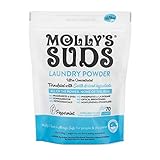
  • Molly’s Suds All Natural Laundry Detergent
Molly's Suds Original Laundry Detergent Powder - Natural Washing Powder, Earth Derived Powder Detergent, Non-Liquid & Organic Washing Detergent, Sensitive Skin Laundry Detergent - 70 Loads, Peppermint
  • Ecos Laundry Detergent
Ecover Zero Laundry Detergent, 42 Washes, 1.5L
  • Kotomoda concentrated probiotic

Kotomoda concentrated probiotic laundry detergent for pet's clothes safe for both white and colored laundry


[amalinkspro_table id=”7509″ aff-id=”thebootboutiq-21″ new-window=”on” nofollow=”off” addtocart=”on” /]


In conclusion,


Choosing a laundry detergent that is safe for dog beds is important to avoid any potential health hazards for your pet. Look for detergents that are fragrance-free, hypoallergenic, made with natural ingredients, pH balanced, and free of fabric softener. By using a safe laundry detergent, you can keep your dog’s bed clean and fresh without putting their health at risk.

Woman using washing conditioner in washing machine

Can you use fabric softener on dog beds?

The Truth About Using Fabric Softener on Dog Beds – Don’t Risk Your Furry Friend’s Health!

Can you use fabric softener on dog beds? Using fabric softener on dog beds is not recommended, as it can cause skin irritation and respiratory problems in dogs. Fabric softeners contain chemicals that coat the fibbers of fabric, making them feel softer and reducing static. However, these chemicals can also leave a residue on the fabric that can be harmful to dogs.

Here are some reasons why you should avoid using fabric softener on dog beds:

  1. Skin Irritation

Dogs have sensitive skin, and the chemicals in fabric softeners can cause skin irritation and allergies. Dogs may experience redness, itching, and even hair loss if they come into contact with fabric softener residue. Some dogs may be more sensitive than others, and even small amounts of fabric softener can cause a reaction.

  1. Respiratory Problems

Fabric softeners contain chemicals that are released into the air during the drying cycle. These chemicals can irritate the respiratory system of dogs and cause coughing, wheezing, and difficulty breathing. Prolonged exposure to fabric softener can lead to chronic respiratory problems in dogs.

  1. Toxicity

Some fabric softeners contain toxic chemicals that can be harmful if ingested by dogs. If a dog chews on a fabric softener sheet or ingests fabric softener residue, they may experience vomiting, diarrhoea, and other symptoms of toxicity. In severe cases, fabric softener can be fatal to dogs.

  1. Deterioration of Fabric

Using fabric softener on dog beds can also lead to the deterioration of the fabric over time. The chemicals in fabric softeners can weaken the fibres of the fabric, causing it to become thin, worn, and prone to tears. This can reduce the lifespan of the dog bed and make it less comfortable for your pet.

No products found.

Alternatives to Fabric Softener for Dog Beds:

  1. Vinegar

White vinegar is a natural fabric softener that is safe for dogs and can help remove any lingering odours from dog beds. Add a half cup of white vinegar to the rinse cycle of your washing machine to soften the fabric without using fabric softener.

  1. Baking Soda

Baking soda is a natural deodorizer that can help remove any odours from your dog’s bed. Add a half cup of baking soda to the wash cycle of your washing machine to freshen the fabric.

  1. Wool Dryer Balls

Wool dryer balls are a natural alternative to fabric softener that can help reduce static and soften fabrics. They can be reused multiple times and are safe for dogs. Add a few wool dryer balls to the dryer cycle of your washing machine to help soften the fabric.

No products found.

In conclusion

It is not recommended to use fabric softener on dog beds due to the potential health risks for dogs. The chemicals in fabric softeners can cause skin irritation, respiratory problems, and even toxicity in dogs. Instead, consider using natural alternatives such as white vinegar, baking soda, or wool dryer balls to soften and freshen the fabric of your dog’s bed. By avoiding fabric softener and using safer alternatives, you can keep your dog comfortable and healthy.

cleaning washing machine

How do you clean a washing machine after washing a dog bed?

Keep Your Washing Machine Clean and Your Furry Friend Safe – Learn How to Clean a Dog Bed!

How do you clean a washing machine after washing a dog bed? Washing a dog bed in a washing machine is an effective way to clean it thoroughly, but it can also leave behind a residue of dog hair, dirt, and debris in the washing machine. Therefore, it is important to clean the washing machine after washing a dog bed to prevent any lingering odours or bacteria. Here are some steps to follow:

  1. Empty the Washing Machine

Start by emptying the washing machine of any remaining water, hair, or debris. Use a damp cloth or paper towel to wipe down the interior of the machine, paying attention to the drum and the door seal.

  1. Run a Hot Water Cycle

Next, run a hot water cycle without any laundry or detergent. Add a cup of white vinegar to the machine to help break down any residue and disinfect the interior. The hot water and vinegar will help remove any lingering odours and bacteria.

  1. Wipe Down the Exterior

While the machine is running the hot water cycle, wipe down the exterior of the machine with a damp cloth or sponge. Pay attention to the control panel, knobs, and other surfaces that may have come into contact with the dog bed or its contents.

  1. Clean the Dispenser Drawer

If your washing machine has a dispenser drawer, remove it and clean it thoroughly with hot water and soap. This will help remove any residue or build-up that may have accumulated from the dog bed.

  1. Dry the Washing Machine

After the hot water cycle is complete, let the washing machine air dry or use a clean towel to wipe it dry. Leave the door open for a while to allow any remaining moisture to evaporate. This will help prevent mould or mildew growth inside the machine.

By following these steps, you can effectively clean your washing machine after washing a dog bed. It is important to clean the machine regularly, even if you don’t wash dog beds often, to maintain good hygiene and prevent any unpleasant odours or bacteria from building up inside the machine.

Washing machine cleaners


[amalinkspro_table id=”5933″ aff-id=”undefined” new-window=”on” nofollow=”on” addtocart=”on” /]

dog wearing shower hat holding a sponge peering from behind a shower curtain

What is the best way to clean a dog bed?

Discover the Best Way to Keep Your Dog Bed Clean and Fresh!

What is the best way to clean a dog bed? A dog bed is a great investment for pet owners. It provides a comfortable and safe place for dogs to rest and sleep. However, like any other item in your home, a dog bed can accumulate dirt, bacteria, and odours over time. Regular cleaning of your dog’s bed is essential to maintain its hygiene and ensure your pet’s health. But what is the best way to clean a dog bed?

How to clean a dog bed

  1. Check the Care Label

Before cleaning your dog’s bed, it is essential to check the care label to see if there are any specific instructions for cleaning. Some dog beds may not be machine washable, while others may require a specific detergent or temperature setting. Following the care label instructions will ensure that you do not damage the bed or compromise its quality.

  1. Remove Loose Debris

The first step in cleaning your dog’s bed is to remove any loose debris, such as hair, dirt, and food particles. Use a vacuum cleaner or a lint roller to remove as much debris as possible. Pay extra attention to seams, corners, and crevices where debris can accumulate.

  1. Pre-treat Stains

If your dog’s bed has any stains, it is essential to pre-treat them before washing. Apply a stain remover or a mixture of baking soda and water to the stain and let it sit for a few minutes. Then, using a clean cloth, blot the stain until it disappears. Avoid rubbing the stain, as it can spread it further. See below for recommended  pet stain removers

  1. Wash the Bed

Once you have removed all loose debris and treated any stains, it is time to wash the bed. If the care label allows machine washing, place the bed in the washing machine and add a pet-safe detergent. Use warm water and a gentle cycle to avoid damaging the bed’s fabric or filling. If the bed is too large for your washing machine, take it to a professional cleaner or use a self-service pet wash station.

  1. Dry the Bed

After washing the bed, it is crucial to dry it thoroughly. If the care label allows machine drying, use a low heat setting and add a few tennis balls or dryer balls to the dryer to fluff up the filling. If the bed is too large for the dryer, hang it outside to dry in the sun or use a fan to circulate air around it.

  1. Spot Clean Between Washes

To maintain your dog’s bed’s hygiene between washes, spot clean it regularly. Use a pet-safe disinfectant or a mixture of vinegar and water to wipe down the bed’s surface, paying extra attention to high-use areas such as the headrest and the edges. Avoid using harsh chemicals or bleach, as they can irritate your dog’s skin and damage the bed’s fabric.

  1. Rotate the Bed

Finally, it is essential to rotate your dog’s bed regularly to distribute wear and tear evenly. This will prevent one area of the bed from becoming too worn or compressed, ensuring that your dog’s bed stays comfortable and supportive. You can also flip the bed over to expose a fresh surface between washes.

In conclusion,

Cleaning your dog’s bed is essential to maintain its hygiene and ensure your pet’s health. The best way to clean a dog bed is to follow the care label instructions, remove loose debris, pre-treat stains, wash the bed, dry it thoroughly, spot clean between washes, and rotate the bed regularly. By doing so, you can extend the life of your dog’s bed and provide your pet with a comfortable and safe place to rest and sleep.

Recommended – Best Stain Removers


[amalinkspro_table id=”5919″ aff-id=”undefined” new-window=”on” nofollow=”on” addtocart=”on” /]