Latest Blog Posts

cocker spaniel laying in dog bed

What size bed is best for Cocker Spaniel?

The Ultimate Guide to Finding the Perfect Bed for Your Cocker Spaniel!”

When choosing a bed for a Cocker Spaniel, it’s important to select the appropriate size to ensure their comfort and support their health. Generally, a bed that is approximately 24 inches by 18 inches is suitable for a Cocker Spaniel. However, the actual size may vary depending on the individual dog’s size and sleeping habits.

It is important to choose a bed that is large enough for your Cocker Spaniel to stretch out and turn around comfortably. The bed should also provide enough support for their joints, especially if they are older or have any health issues. Look for beds that have high-quality foam or memory foam to provide support and comfort.

Additionally, consider the bed’s shape and style. Cocker Spaniels tend to enjoy snuggling and may prefer beds with raised sides or bolsters to rest their head on. A bed with a removable and washable cover is also a good option, as it can be easily cleaned when it becomes dirty.

Ultimately, the best bed for your Cocker Spaniel is one that meets their individual needs and provides a comfortable and safe sleeping environment.

How much do Cocker Spaniels sleep?

Cocker Spaniels are known to be a relatively active breed, but they also enjoy their downtime and need adequate rest to maintain their health and well-being. On average, Cocker Spaniels sleep between 12 to 14 hours per day, which is typical for most dogs.

However, the amount of sleep a Cocker Spaniel requires can vary depending on their age, activity level, and overall health. Puppies and older dogs may require more sleep, while younger, more active dogs may need less. Additionally, dogs that are highly active and engaged in physical activities, such as agility or hunting, may require more rest to recover and rebuild their energy.

It’s important to provide your Cocker Spaniel with a comfortable and safe sleeping environment, such as a soft and supportive bed in a quiet and peaceful area of your home. It’s also important to establish a consistent sleep schedule to help regulate their sleep cycle and ensure they are getting the rest they need. Providing regular exercise and mental stimulation during waking hours can also help promote restful sleep at night.

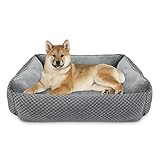
FRISTONE Dog Beds Medium Washable Pet Basket Orthopedic Kennel Bed for Small Large Dogs Deluxe Fleece Cushion Blanket XL Red 32x24in

  • Size and Suggestions: Pet bed dimension: 32×24 in, internal Pet bed dimensions: 20.87 x 15.75 in – Suitable for medium dogs, puppies or multiple small pets, maximum weight of large dog should not be more than 35 pounds.
  • PP Fiber and Coral Fleece: Give your dog a comfortable area for snoozing and deep sleeping, PP fiber with breathable properties, flexible and not deformed, so that your pet seems to be in the comfort of the clouds.Can relieve pain in joints and muscles of pets. The surface of fleece is warm, we don’t have to worry about the pet getting cold, even in the winter
  • Suede Material and Non-slip Bottom: The suede surface is dirt-resistant and easy to keep clean. The non-slip bottom will not move easily, keeping your pet in a stable and safe environment.
  • Soft and Comfortable Sides: The elaborate sides provide support for the pet’s head and neck, give pets a sense of security.No matter the displacement of the filler while lying in dog bed.
  • Easy to Clean: You can use a rag to clean up the dirt on the dog bed, saving a lot of trouble.
  • The whole bed machine washable, reduce bacterial growth and protect your pet’s health.

JOEJOY Large Dog Bed Washable

  • 【Double Fabric Design】The main sleep surface is made of 100% polyester that is gentle for pet’s skin. The inner filling is pp cotton and the bottom is twill with anti-slip particles. High quality material keeps the dog bed warm and comfortable, provide a comfortable, healthy sleeping environment and maintain its original shape for a long time.
  • 【Edge Support】The raised rim of dog bed provides head and neck support, giving pets a sense of security and deep sleep.
  • 【“Movable” Bed】It is easy to carry for everywhere. You can put it on the floor, dog crate, sofa or car seat. Our puppy enjoy their sleep on the movable dog bed.
  • 【Easy Care】 Before use, please pat it to make the dog bed flatter while waiting for 1-2 days to return to soft and fluffy. Washable dog bed is easy to clean and care, just wash it as a whole without removable cover.
  • 【4 Available Sizes For Choice】 Our dog bed mattress have 4 different sizes, very suitable for large, medium and small dogs or cats. S(20”x19”x6”, fits pets up to 20lbs)); M(25”x21”x8”, fits pets up to 30lbs); L(30”x24”x9”, fits pets up to 40lbs); XL(35”x25”x9”, fits pets up to 60lbs)

Choosing a dog bed for a working Cocker Spaniel

Choosing the Perfect Bed for Your Hard-Working Cocker Spaniel Made Easy!

When choosing a dog bed for a working Cocker Spaniel, it’s important to consider the specific needs of the breed, which tends to be active, energetic, and intelligent. Here are some factors to keep in mind when selecting a bed for a working Cocker Spaniel:

  1. Size: Choose a bed that is appropriate for your Cocker Spaniel’s size. It should be large enough to allow them to stretch out and get comfortable.
  2. Durability: Working Cocker Spaniels can be tough on their beds, so choose a bed that is made with durable materials and can withstand their activity level.
  3. Comfort: A comfortable bed is essential for working Cocker Spaniels, who need a good night’s sleep to recover from their physical activity. Look for a bed with a supportive foam or memory foam base, which can help alleviate joint pain and promote restful sleep.
  4. Easy to Clean: Working Cocker Spaniels may get dirty and wet while working, so choose a bed that is easy to clean. Beds with removable and machine-washable covers are a good option.
  5. Portability: Working Cocker Spaniels may need to travel to different locations for work or training, so consider a bed that is lightweight and easy to transport.

Here are some dog beds that may be suitable for a working Cocker Spaniel:

  1. Veehoo Original Cooling Elevated Dog Bed: This bed has a raised platform that keeps dogs off the ground and provides good airflow, which can be particularly beneficial for working dogs that need to dry off quickly. It’s also made with durable materials that can withstand heavy use.Veehoo Original Cooling Elevated Dog Bed, Outdoor Raised Dog Cots Bed for Large Dogs,

  • Large Elevated Dog Bed. Composed of Powder-Coated Steel and Textilene Mesh. 43″L x 30″W x 8.5″H (109x76x22 cm), fits up to 110 lbs(50kg). Suitable for Golden Retriever, Labrador, Rottweilers, Boxers, Huskies, Border Collie, Samoyed, Wolf dog etc.
  • Better Wrapped Feeling Design! The slope headrest provides support for your dog while sleeping, and helps with neck health. The double sided fence also prevents the dog from falling from the raised dog bed and protects the safety of the older dogs and puppies.
  • More Robust and Friendly. One-piece bend design at the corner of the tubes, which features more stable. And more, there are anti-slip rubber on the short bearing pipes, can not noly protect your floors from scratches, but keep the pet bed from sliding when your dog jumps on or off.
  • Stay Cool Ever! Crafted of Textilene mesh fabric, the dog cot allows air to flow, keeping your pets cool while they relax in the heat. Also allow water or urine to go thru, no puddles formed. Besides, the teslin mesh features heat-resistance, sturdy, and breathability.
  • Easy to Assemble. No screws and wrenches needed. The dog bed can be directly installed with the snap-on design. Best idea as Dog Hammock Bed and Training Platform. Lightweight and portable. Perfect for indoor, outdoor, picnic, camping, training… Quality sleep on the go!
  1. Ruffwear Highlands Bed: This bed is lightweight and packable, making it a good option for working Cocker Spaniels that need to travel. It also features a waterproof bottom that can help keep dogs dry.


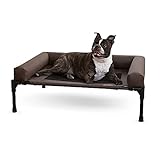
  1. K&H Pet Products Original Bolster Pet Cot: This bed has a sturdy frame and a mesh centre that can help keep dogs cool and dry. The raised design can also help protect dogs from rough or wet ground. K&H Pet Products Original Pet Cot Outdoor Elevated Dog Bed with Removable Bolsters - Chocolate/Black Mesh, Medium 25 X 32 X 7 Inches
  • OLSTERED OUTDOOR DOG BED: Dog cot made of waterproof, heavy-denier fabric with fluffy plush bolster for ultimate pet comfort and security. Raised dog bed helps pets stay cool in summer months by allowing air to circulate and keeps pets off wet/cold ground with 7″ ground clearance
  • STRONG & STURDY: Dog cots lightweight metal frame and heavy denier cover holds over 200 pounds, dog bed is durable and tested for strength
  • EASY CLEAN-UP: Removable cover and bolster is machine washable and can even be hosed off outdoors
  • INDOOR & OUTDOOR DOG BED: Lifted outdoor dog bed with breathable mesh center is great for indoor and outdoor use. Slip-resistant rubber feet provide protection for indoor flooring and water-resistant mesh center repels moisture. SIZE: Medium measures 25 X 32 X 7, perfect for medium sized breed like:                                                     Bulldog, Boxer, Australian Shepherd, Blue Heeler, Basset, Beagle,

Remember, every dog is different, so it’s important to find a bed that meets your Cocker Spaniel’s specific needs and preferences.

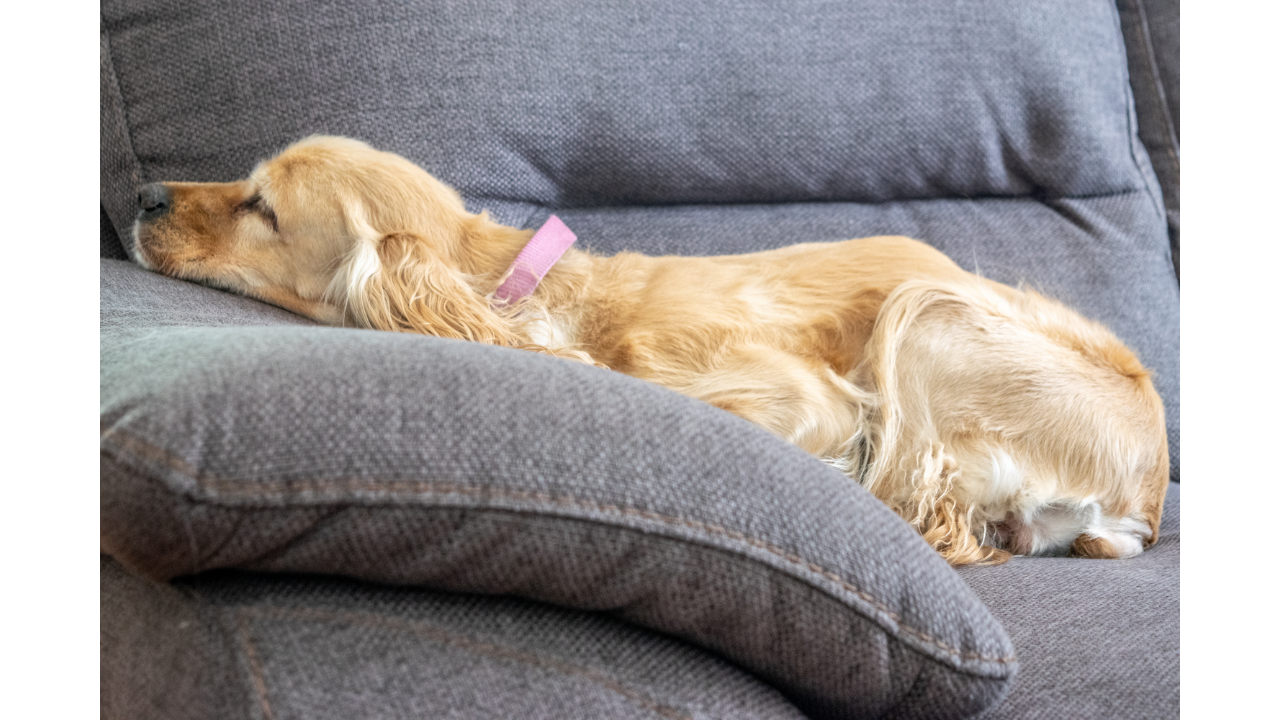
cocker spaniel laying on sofa

Best dog bed for Cocker Spaniel Puppy

The Top 5 Best Dog Beds for Your Cocker Spaniel Puppy!

When it comes to selecting a bed for a Cocker Spaniel puppy, there are a few factors to consider. Here are some things to keep in mind:

  1. Size: Choose a bed that is appropriate for the puppy’s size. A bed that is too big may not provide the security that a puppy needs, while a bed that is too small may not be comfortable.
  2. Comfort: A Cocker Spaniel puppy will benefit from a soft and comfortable bed that provides good support. Look for a bed made with high-quality materials that offer plenty of cushioning.
  3. Durability: Puppies can be tough on their beds, so it’s important to choose a bed that is durable and can withstand chewing, digging, and scratching. Look for a bed with a sturdy construction and quality materials.
  4. Easy to Clean: Puppies can be messy, so choose a bed that is easy to clean. A bed with a removable and machine-washable cover is a good option.
  5. Budget: Dog beds can vary in price, so consider your budget when selecting a bed for your Cocker Spaniel puppy.

Here are some dog beds that may be suitable for a Cocker Spaniel puppy:

  1. BarksBar Orthopaedic Dog Bed: This bed has a solid orthopaedic foam base and a soft cotton-padded rim. It’s designed to provide joint support and comfort. BarksBar Large Gray Orthopedic Dog Bed - 40 x 30 inches - Snuggly Sleeper with Solid Orthopedic Foam, Non-Slip Back
  • Large Orthopaedic Sleeper: 40″ x 30″ x 10″ – Ideal for Medium to Large size dogs and also great for multiple smaller dogs. Can easily hold up to 100+ lbs and fitted for pets up to 36″ in length.
  • Premium Materials include: (1) Ultra Soft Polyester Cover with a luxurious quilted design, (2) 4″ of Solid Orthopaedic Foam base for the optimal balance of comfort, reduced joint pain and improved health & mobility. (3) Extra Comfy Cotton-Padded Rim cushion to instantly contour to your pet’s neck and provide constant support and decompression for ailing necks and heads.
  • Sleek and Luxurious quilted design to improve any family’s home décor. Comes with a built-in nonslip rubber backing on the bottom side of the cover to prevent any sliding on wooden and tiled floors.
  1. K&H Pet Products Self-Warming Lounge Sleeper Pet Bed: This bed features a self-warming material that reflects a pet’s own body heat back to them, making it a cosy and warm spot for a puppy to rest. K&H Pet Products Self-Warming Lounge Sleeper Dog Bed Medium 24 X 30 Inches Brown Paisley Print
  • Cozy pillow sleeping surface and fill material made from recycled bottles
  • Removable liner for easy machine washable dog bed
  • International products have separate terms, are sold from abroad and may differ from local products, including fit, age ratings, and language of product, labeling or instructions.


  1. PetFusion Orthopaedic Dog Bed: This bed has a solid 4-inch memory foam base and a water-resistant, machine-washable cover. It’s designed to provide comfort and support for dogs of all ages. PetFusion Ultimate Solid 4\" Memory Foam Dog Bed for X Large Dogs
  • Premium Components: (i) Solid 10 cm Memory Foam base for superior overall comfort, reduced joint pain and improved health, mobility and energy
  • Recycled green polyfill support bolsters are generously filled (iii) Durable and comfortable polyester (65 Percent) and cotton (35 Percent) twill
  • Smart Design: (i) Base and bolsters provide optimal support and comfort (ii) Water resistant and tear resistant cover.


Remember, every puppy is different, so it’s important to find a bed that suits their individual needs and preferences.

Does a Cocker Spaniel Puppy chew it’s bed?

Like many puppies, Cocker Spaniel puppies may chew on their beds as they explore and teethe. Chewing is a natural behaviour for puppies, and it’s important to provide them with appropriate chew toys to help satisfy their urge to chew.

If you notice your Cocker Spaniel puppy chewing on their bed, it’s a good idea to redirect them to an appropriate chew toy, such as a rubber or nylon chew toy, or a stuffed Kong toy. Providing your puppy with appropriate chew toys can help protect their bed and other items in your home from damage.

It’s also a good idea to supervise your puppy when they are exploring their bed and the surrounding area. If you notice your puppy chewing on their bed, you can gently interrupt the behaviour by redirecting them to a chew toy and praising them for chewing on the appropriate item.

As your Cocker Spaniel puppy grows and matures, they may outgrow the urge to chew on their bed. However, some dogs may continue to chew on their beds or other items throughout their lives. If your dog continues to chew on their bed despite your efforts to redirect them, you may need to choose a more durable bed or provide them with a different type of sleeping surface, such as a crate with a chew-resistant pad or mat.


Dog bed spray

How to deodorize dog bed

Say Goodbye to Stinky Dog Beds Forever with This Simple Solution!

If your dog’s bed smells bad, deodorizing it can help to eliminate the odor and make it a more pleasant place for your dog to sleep. Here are some steps you can take to deodorize a dog bed:

  1. Remove any removable covers or bedding from the dog bed.
  2. If the dog bed is machine-washable, wash it in hot water with a pet-safe detergent. You can add half a cup of white vinegar to the wash to help neutralize any odours.
  3. If the dog bed is not machine-washable, spot clean it with a pet-safe detergent and warm water, and then rinse with clean water.
  4. Sprinkle baking soda liberally over the entire surface of the bed, making sure to cover all areas evenly. Baking soda is a natural deodorizer that can help to absorb and neutralize odours.
  5. Allow the baking soda to sit on the bed for at least 15-20 minutes, or longer if the odour is particularly strong.
  6. Use a vacuum cleaner with a hose attachment to vacuum up the baking soda from the bed.
  7. If the odour persists, you can try spraying the bed with a pet-safe odour eliminator, such as one that contains enzymes that break down organic matter.

By following these steps, you can effectively deodorize your dog’s bed and create a more pleasant sleeping environment for your dog.

Dr Doggy Bedding & Laundry Protector | Deodorising Water Based Pet Safe Detergent | 250ml Bottle

Dr Doggy Bedding & Laundry Protector | Deodorising Water Based Pet Safe Detergent | 250ml Bottle

  • Dr Doggy prevents, protects, and treats your doggies
  • Unique pet odour eliminator and stain removal detergent additive
  • Keep your pet’s bedding, blankets, and toys free from smells, harmful bacteria and microbes
  • Long-lasting protection between washes and can be used on all machine-washable textiles
  • Active Shield Protection that works brilliantly when applied to your dog’s skin, fur, surfaces, fabrics and textiles
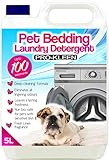
Pro-Kleen Pet Bedding Laundry Washing Detergent - Fresh Linen (5L) - Non-bio, Safe for Dogs with Sensitive Skin, Leaves a Lasting Freshness & Eliminates All Odours


Pro-Kleen Pet Bedding Laundry Washing Detergent – Fresh Linen (5L) – Non-bio, Safe for Dogs with Sensitive Skin, Leaves a Lasting Freshness & Eliminates All Odours

  • A deep cleaning pet bedding wash detergent liquid specifically designed for use on pet bedding, blankets and more with powerful odour eliminating ingredients
  • Effectively eliminates odours leaving your your dog’s bedding and blankets smelling like Fresh Linen
  • New longer-lasting non-bio formula: safely cleans all pet bedding, blankets and clothing!
  • Use 50ml to 100ml per load depending on soiling – For both front loaders and top loaders.
Golden Swan White Vinegar for Cleaning, Pickling, Marinating & Cooking - Distilled White Vinegar- 5 Litre Bottle - Produced in The UK (1 Pack)


Golden Swan White Vinegar for Cleaning, Pickling, Marinating & Cooking – Distilled White Vinegar- 5 Litre Bottle

  • PERFECT FOR COOKING – Use in vinaigrettes, sweet-and-sour dishes, marinades, pickles, chutneys, and butter sauces. Or infuse with fresh herbs to make flavoured vinegar. Whatever the occasion our Fresh White wine vinegar will be perfect.
  • FABRIC SOFTENER – This white vinegar is perfect for households that have pets and children around as well as commercial premises where health and safety is of paramount importance
  • FOR GARDENING – Garden Weeds, Odours, Limescales to name a few whilst having none of the side effects which are normally associated with cleaning products since it leaves no nasty toxic chemicals and fumes behind.
Duzzit Amazing Baking Soda Multi Purpose Household Cleaner , 500 g (Pack of 1)

Duzzit Amazing Baking Soda Multi Purpose Household Cleaner , 500 g

Why is it important to deodorize dog beds?

It is important to deodorize a dog bed for several reasons:

  1. Hygiene: Dog beds can quickly accumulate dirt, bacteria, and unpleasant odours, which can be harmful to your dog’s health and wellbeing. Deodorizing your dog bed regularly can help to prevent the build up of bacteria and germs, keeping your dog healthy and hygienic.
  2. Comfort: Dogs have a keen sense of smell, and unpleasant odours can make them uncomfortable and anxious. By deodorizing your dog bed, you can help to create a clean and comfortable sleeping environment for your dog.
  3. Home Environment: An unpleasant odour from your dog’s bed can spread throughout your home, making it uncomfortable for you and your family. Deodorizing your dog bed can help to keep your home smelling fresh and clean.
  4. Preventing Behaviour Issues: If your dog’s bed smells bad, your dog may avoid using it, or even start to soil in other areas of your home. Deodorizing your dog bed regularly can help to prevent these behaviour issues and promote good habits.

Overall, deodorizing your dog bed is an important part of maintaining your dog’s health, comfort, and wellbeing, as well as promoting a clean and pleasant home environment.

Dog sleeping in pet bed

Choosing a dog bed that is just right for your dog!

The Secret to Choosing the Perfect Bed for Your Dog Revealed!

Dogs are amazing animals and they deserve the best of everything when it comes to their bedding. However, not all dog beds are created equal. Some are too small and don’t provide enough support, while others are too large and can be cumbersome to move around. In this post, we’re going to provide you with the best way to find the right size dog bed for your pet. We’ll outline the different types of dog beds and how to measure your pet to find the perfect size. We’ll also provide you with a list of the best dog beds for different types of pets. From cats to small dogs, we’ll cover everyone. So whether you have a large dog or a small dog, we’ve got you covered. Ready to find the perfect bed for your furry friend? Let’s get started!

  1. What to consider when purchasing a dog bed

When it comes to buying a dog bed, there are many factors to consider. The size of the bed, the material it is made of, the type of bed, and the price are all important factors.

When it comes to size, you first have to think about the size of your dog. A small dog will need a small bed, and a large dog will need a large bed. Once you have determined the size of the bed, you need to think about the material it is made of. dog beds can be made from a variety of materials, including fabric, foam, and wood.

The type of bed is also important. There are dog beds that are designed to be raised off the ground, and there are dog beds that are designed to be sunken into the ground. The type of bed is determined by the size of your dog and the type of flooring your dog will be using the bed on.

Finally, the price of the bed is important. You don’t want to spend too much money on a bed, or you will end up having to buy another bed in the future. A good rule of thumb is to buy a bed that is twice the price of the dog’s average annual vet bill. This way, you are sure that the bed is worth the investment.

  1. How to measure your dog for a proper dog bed

There are a few things you’ll need in order to find the right size dog bed for your pet. You’ll need to measure your dog’s weight, length, and width. Once you have these measurements, you can use the chart below to find the right size dog bed.

If you have a small dog or a dog that doesn’t tend to sleep a lot, you may not need a large dog bed. If you have a large dog or a dog that sleeps a lot, you may need a large dog bed.

  1. The best dog bed materials

The best way to find the right size dog bed for your pet is by doing some research. Knowing the different types of dog beds and knowing what the different materials are can help you make the best decision for your furry friend.

When it comes to materials, there are a few things to consider. The first thing to think about is the material’s durability. The best dog beds are usually made out of materials that are both durable and comfortable. Some of the more popular materials for dog beds are cotton, polyester, and faux fur.

The next thing to think about is the material’s allergy potential. Some materials are known to be more allergy-prone than others. If you have a particularly sensitive pet, you’ll want to avoid materials like wool or feathers.

The last thing to think about is the material’s temperature range. Some materials are better for warmer climates and others are better for colder climates. If you have a dog that tends to get cold at night, you’ll want to look for a dog bed that is made out of a material like fleece.

By doing some research and choosing the right materials for your dog bed, you’ll be able to find the perfect bed for your pet.

  1. The best dog bed sizes

When you’re shopping for a dog bed, it’s important to think about the size of your pet. Not all dog beds are designed for all dogs, so it’s important to know what size bed your dog falls into.
There are three different types of dog beds: soft, medium, and hard.

Soft dog beds are designed for puppies and small dogs who don’t like to be too stiff. These beds are often made from foam, cotton, or a combination of the two.

Medium dog beds are designed for larger dogs and are usually made from a harder material like wood or metal.

Hard dog beds are designed for dogs who like to sleep on the hard surface. These beds are usually made from a metal frame and are the most durable type of bed.

When you’re looking for a dog bed, it’s important to find the right size for your pet. Not all dog beds are made for all dogs, so it’s important to know what size bed your dog falls into.

  1. The best ways to put a dog bed together

There are many ways to put a dog bed together and the best way to find the perfect size for your pet will depend on their size, breed, and activity level.

If you’re putting the bed together for the first time, you’ll want to measure your pet and their current bed. This will help you determine the size of the bed.

You can also put the bed together using the following measurements:

-Small: 30″-36″ wide
-Medium: 36″-42″ wide
-Large: 42″-48″ wide

If you’re buying a bed that’s already put together, you can find the following measurements:

-Small: 18″ wide x 24″ long
-Medium: 24″ wide x 36″ long
-Large: 36″ wide x 48″ long

  1. The best ways to clean a dog bed

When it comes to choosing the right dog bed for your pet, it’s important to keep in mind their size. Different dogs will need different sized beds and it’s important to find one that’s comfortable for them.

To clean a dog bed, you’ll first need to soak it in a cleaning solution for a few hours. Then, use a vacuum cleaner to remove the dirt and debris. Finally, dry the bed with a towel.

  1. The best ways to keep a dog bed clean

One of the most important things you can do to keep your dog bed clean is to make sure you always have a fresh supply of bedding on hand. This means having a variety of bedding options, including k-cups, bed pillows, blankets, and even pet beds that can be washed in the washing machine.

If your dog loves to nap on the bed, it’s important to make sure the bedding is soft, comfortable, and easy to clean. Some dog owners prefer to line their dog’s bed with a soft sheet before filling it with dog bedding. This way, if your dog soils the bed, it’s easy to clean and you don’t have to worry about your dog sleeping on a dirty surface.
If your dog is a heavy sleeper and tends to soil its bed multiple times a day, you may want to invest in a dog bed that is made of durable materials. These beds are often sold as “dog beds for heavy chewers.”

  1. The best ways to use a dog bed

There are many different ways to use a dog bed, but the best way to find the right size for your pet is to measure their body length and width. Remember to allow for their tail, as a large dog’s tail could extend beyond the width of the bed.

Once you have the size of the bed figured out, you can choose between a soft or hard dog bed. A soft dog bed will be more comfortable for your pet, but may not be as durable. A hard dog bed is more durable but may be less comfortable for your pet.

There are also dog beds that come with a removable cover. This is great if you want to wash the bedding often or if your pet is messy.

Finally, it’s important to choose a dog bed that is the right shape and size for your home. If the bed is too large or too small, your pet may not be able to use it comfortably.

  1. The best ways to find a dog bed

When it comes to finding the perfect dog bed, there are a few things to keep in mind. The size of the dog bed, the type of dog bed, and the material of the dog bed.

The size of the dog bed is very important. You don’t want your dog to be sleeping on the floor. You want the bed to be big enough for them to lay down in but not so big that it becomes a toy.

The type of dog bed is also important. You want the bed to be soft, comfortable, and durable. You don’t want the bed to get torn up or chewed on. You want the bed to last.

The material of the dog bed is also important. You want the bed to be comfortable but also durable. You don’t want the bed to get dirty or stained. You want the bed to last.

  1. The best way to deal with a dog that won’t stay in a dog bed

If your dog is constantly jumping out of his dog bed, it’s time to find a bigger one. However, if your dog isn’t jumping out of his dog bed, it’s time to find a smaller one.

Choosing the wrong size dog bed can be a big mistake. A dog bed that’s too small will cause your dog to lie in the middle of the bed, which can be uncomfortable and also lead to accidents. On the other hand, a dog bed that’s too big can cause your dog to spend too much time sitting in one spot, which can be tiring.

The best way to find the right size for your dog is to measure his length from the floor to the top of his shoulders, and then measure the width of his hips. Make sure the bed is at least two inches larger than the measurements you took, and make sure the bed is at least one inch taller than the width of his hips.

If your dog loves to jump out of his dog bed, you may want to consider buying a bed with a high fence around it. This will help prevent your dog from jumping out of the bed.

Dogs are amazing animals and they deserve the best of everything when it comes to their bedding. However, not all dog beds are created equal. Some are too small and don’t provide enough support, while others are too large and can be cumbersome to move around. In this post, we’re going to provide you with the best way to find the right size dog bed for your pet. We’ll outline the different types of dog beds and how to measure your pet to find the perfect size. We’ll also provide you with a list of the best dog beds for different types of pets. From cats to small dogs, we’ll cover everyone. So whether you have a large dog or a small dog, we’ve got you covered. Ready to find the perfect bed for your furry friend? Let’s get started!

  1. What to consider when purchasing a dog bed

When it comes to buying a dog bed, there are many factors to consider. The size of the bed, the material it is made of, the type of bed, and the price are all important factors.

When it comes to size, you first have to think about the size of your dog. A small dog will need a small bed, and a large dog will need a large bed. Once you have determined the size of the bed, you need to think about the material it is made of. dog beds can be made from a variety of materials, including fabric, foam, and wood.

The type of bed is also important. There are dog beds that are designed to be raised off the ground, and there are dog beds that are designed to be sunken into the ground. The type of bed is determined by the size of your dog and the type of flooring your dog will be using the bed on.

Finally, the price of the bed is important. You don’t want to spend too much money on a bed, or you will end up having to buy another bed in the future. A good rule of thumb is to buy a bed that is twice the price of the dog’s average annual vet bill. This way, you are sure that the bed is worth the investment.

  1. How to measure your dog for a proper dog bed

There are a few things you’ll need in order to find the right size dog bed for your pet. You’ll need to measure your dog’s weight, length, and width. Once you have these measurements, you can use the chart below to find the right size dog bed.

If you have a small dog or a dog that doesn’t tend to sleep a lot, you may not need a large dog bed. If you have a large dog or a dog that sleeps a lot, you may need a large dog bed.

  1. The best dog bed materials

The best way to find the right size dog bed for your pet is by doing some research. Knowing the different types of dog beds and knowing what the different materials are can help you make the best decision for your furry friend.

When it comes to materials, there are a few things to consider. The first thing to think about is the material’s durability. The best dog beds are usually made out of materials that are both durable and comfortable. Some of the more popular materials for dog beds are cotton, polyester, and faux fur.

The next thing to think about is the material’s allergy potential. Some materials are known to be more allergy-prone than others. If you have a particularly sensitive pet, you’ll want to avoid materials like wool or feathers.

The last thing to think about is the material’s temperature range. Some materials are better for warmer climates and others are better for colder climates. If you have a dog that tends to get cold at night, you’ll want to look for a dog bed that is made out of a material like fleece.

By doing some research and choosing the right materials for your dog bed, you’ll be able to find the perfect bed for your pet.

  1. The best dog bed sizes

When you’re shopping for a dog bed, it’s important to think about the size of your pet. Not all dog beds are designed for all dogs, so it’s important to know what size bed your dog falls into.
There are three different types of dog beds: soft, medium, and hard.

Soft dog beds are designed for puppies and small dogs who don’t like to be too stiff. These beds are often made from foam, cotton, or a combination of the two.

Medium dog beds are designed for larger dogs and are usually made from a harder material like wood or metal.

Hard dog beds are designed for dogs who like to sleep on the hard surface. These beds are usually made from a metal frame and are the most durable type of bed.

When you’re looking for a dog bed, it’s important to find the right size for your pet. Not all dog beds are made for all dogs, so it’s important to know what size bed your dog falls into.

  1. The best ways to put a dog bed together

There are many ways to put a dog bed together and the best way to find the perfect size for your pet will depend on their size, breed, and activity level.

If you’re putting the bed together for the first time, you’ll want to measure your pet and their current bed. This will help you determine the size of the bed.

You can also put the bed together using the following measurements:

-Small: 30″-36″ wide
-Medium: 36″-42″ wide
-Large: 42″-48″ wide

If you’re buying a bed that’s already put together, you can find the following measurements:

-Small: 18″ wide x 24″ long
-Medium: 24″ wide x 36″ long
-Large: 36″ wide x 48″ long

  1. The best ways to clean a dog bed

When it comes to choosing the right dog bed for your pet, it’s important to keep in mind their size. Different dogs will need different sized beds and it’s important to find one that’s comfortable for them.

To clean a dog bed, you’ll first need to soak it in a cleaning solution for a few hours. Then, use a vacuum cleaner to remove the dirt and debris. Finally, dry the bed with a towel.

  1. The best ways to keep a dog bed clean

One of the most important things you can do to keep your dog bed clean is to make sure you always have a fresh supply of bedding on hand. This means having a variety of bedding options, including k-cups, bed pillows, blankets, and even pet beds that can be washed in the washing machine.

If your dog loves to nap on the bed, it’s important to make sure the bedding is soft, comfortable, and easy to clean. Some dog owners prefer to line their dog’s bed with a soft sheet before filling it with dog bedding. This way, if your dog soils the bed, it’s easy to clean and you don’t have to worry about your dog sleeping on a dirty surface.
If your dog is a heavy sleeper and tends to soil its bed multiple times a day, you may want to invest in a dog bed that is made of durable materials. These beds are often sold as “dog beds for heavy chewers.”

  1. The best ways to use a dog bed

There are many different ways to use a dog bed, but the best way to find the right size for your pet is to measure their body length and width. Remember to allow for their tail, as a large dog’s tail could extend beyond the width of the bed.

Once you have the size of the bed figured out, you can choose between a soft or hard dog bed. A soft dog bed will be more comfortable for your pet, but may not be as durable. A hard dog bed is more durable but may be less comfortable for your pet.

There are also dog beds that come with a removable cover. This is great if you want to wash the bedding often or if your pet is messy.

Finally, it’s important to choose a dog bed that is the right shape and size for your home. If the bed is too large or too small, your pet may not be able to use it comfortably.

  1. The best ways to find a dog bed

When it comes to finding the perfect dog bed, there are a few things to keep in mind. The size of the dog bed, the type of dog bed, and the material of the dog bed.

The size of the dog bed is very important. You don’t want your dog to be sleeping on the floor. You want the bed to be big enough for them to lay down in but not so big that it becomes a toy.

The type of dog bed is also important. You want the bed to be soft, comfortable, and durable. You don’t want the bed to get torn up or chewed on. You want the bed to last.

The material of the dog bed is also important. You want the bed to be comfortable but also durable. You don’t want the bed to get dirty or stained. You want the bed to last.

  1. The best way to deal with a dog that won’t stay in a dog bed

If your dog is constantly jumping out of his dog bed, it’s time to find a bigger one. However, if your dog isn’t jumping out of his dog bed, it’s time to find a smaller one.

Choosing the wrong size dog bed can be a big mistake. A dog bed that’s too small will cause your dog to lie in the middle of the bed, which can be uncomfortable and also lead to accidents. On the other hand, a dog bed that’s too big can cause your dog to spend too much time sitting in one spot, which can be tiring.

The best way to find the right size for your dog is to measure his length from the floor to the top of his shoulders, and then measure the width of his hips. Make sure the bed is at least two inches larger than the measurements you took, and make sure the bed is at least one inch taller than the width of his hips.

If your dog loves to jump out of his dog bed, you may want to consider buying a bed with a high fence around it. This will help prevent your dog from jumping out of the bed.


How to Measure Your Dog for a Proper Dog Bed

Choosing the right dog bed can be a daunting task. You want one that is comfortable for your dog, but you also want one that is big enough for them to sleep in. But how do you know how big your dog is? And how do you measure them for a proper bed? In this post, we are going to provide you with the steps you need to measure your dog for a proper dog bed. From measuring their length to measuring their width, we will cover everything you need to know in order to make the best choice for your dog. After reading this post, you will be able to choose the perfect dog bed for your furry friend. So let’s get started!


  1. What You’ll Need


When measuring your dog for a proper dog bed, you’ll need to gather the following items:
-A tape measure
-A dog’s height
-A dog’s weight
-A dog’s breed

Once you have these items, it’s time to get started.

First, measure your dog’s height. Make sure the tape measure is level, and measure your dog from the base of its neck to the ground. Write this number down.

Next, measure your dog’s weight. Again, make sure the tape measure is level, and measure your dog from the base of its neck to the nearest pound. Write this number down.

Now, measure your dog’s breed. This will help you decide which type of dog bed will be best for your dog. Be sure to include the length and width of your dog’s chest, as well as the length of its torso. Write this number down.

Once you have these numbers, it’s time to choose your dog bed. There are a variety of dog beds on the market, and all of them will fit a specific breed of dog. Be sure to read the description of the bed before making your purchase.


  1. How to Measure Your Dog


There are a few ways to measure your dog for a proper dog bed. The most accurate way to measure your dog for a dog bed is to have them stand up and their front paws flat on the ground. This will give you the correct measurement for the size of the dog bed.
Another way to measure your dog for a dog bed is to have them lay down on their back and have their paws flat on the ground. This will also give you the correct measurement for the size of the dog bed.
If you don’t have time to measure your dog for a dog bed or you just don’t want to, there are many brands of dog beds that have measurements on the tag. Just be sure to read the measurements carefully and make sure the size of the dog bed is appropriate for your dog.


  1. What to Do with the Results


There are a few different ways to measure your dog for a proper dog bed. The most common way is to measure their height and width. However, you might also want to measure their chest, neck, and tail. Additionally, you can also measure their weight and age.
After you have gathered the information, you can use that information to find the right dog bed for your dog.


  1. Tips for Selecting the Right Dog Bed


There are many things to consider when selecting a dog bed, such as size, material, and shape. Here are four tips to help you choose the best one for your dog:

1. Size
First, consider your dog’s size. Some dog beds are specific to certain breeds or sizes, so be sure to check the dimensions before you buy.

2. Material
Some dog beds are made of soft, plush materials, while others are made of hard, durable materials. Choose the bed that will best suit your dog’s temperament and personality.

3. Shape
There are many different types of dog beds, from round to rectangular, and you’ll want to choose the one that best suits your dog’s natural sleeping habits.

4. Accessories
Some dog beds come with extra features, such as a waterproof cover or a removable cover for easy cleaning. Add these features to your shopping list to make sure you get the perfect bed for your dog.


  1. Buying a Dog Bed


There are many factors you will want to take into account when choosing the right dog bed. Some of these include the dog’s weight, size, and age.
When measuring your dog for a bed, be sure to have them stand with their back against the wall and their front legs stretched out to the side. Use a tape measure to measure their height from the floor to the top of their shoulders and their width from shoulder to shoulder.
You will also want to consider the dog’s sleeping habits. Do they snore or toss and turn? If so, a firmer bed may be more than they need. Finally, consider the cost. A good bed will last for years, so it’s worth spending a bit more on something that will be comfortable and satisfactory for your dog.


  1. Taking Your Dog to the Store


When it comes to buying the right dog bed, you need to measure your dog for a proper fit. You’ll need to take your dog’s weight, height, and length when measuring to ensure the perfect bed is purchased.
It’s also important to keep in mind that not all dog beds are created equal. Some are raised, while others have a built-in pillow. There are also different materials, like memory foam or latex, that will conform to your dog’s shape better.


  1. Cleaning a Dog Bed


There are a few ways to measure a dog for a proper dog bed. You can measure their body weight, their length from the base of their skull to the base of their tail, and their girth. You can also measure their chest and their width at the shoulder. You’ll want to choose a dog bed that is large enough for your dog but not so large that they can’t move around.

Once you’ve measured your dog, you’ll need to clean the bed. You can use a vacuum cleaner to remove the dirt and the dog hair, or you can use a dog hair shampoo and a cloth to clean the bed. If you use a vacuum cleaner, be sure to use the crevice tool to get into the nooks and crannies. If you use a shampoo, be sure to rinse the bed well and dry it off.


  1. Tips for Selecting the Right Size Dog Bed


When looking for a dog bed, it’s important to consider your dog’s size, breed, and activity level.

When measuring your dog for a bed, begin by laying the bed on the floor and placing your dog on top of it. Measure the distance from the dog’s shoulders to the floor. This will give you the size of the bed.

If your dog is of a medium to large size, you’ll want to go with a bed that is at least 36 inches in length and 24 inches in width. If your dog is of a small to medium size, go with a bed that is at least 18 inches in length and 12 inches in width.

If your dog is an active dog, you’ll want to go with a bed that is at least 36 inches in length and 30 inches in width. If your dog is an inactive dog, go with a bed that is at least 18 inches in length and 12 inches in width.

When selecting a bed, it’s also important to consider the material it is made of. Some beds are made of natural materials such as wood, rubber, or sheepskin, while others are made of synthetic materials such as PVC or foam.


  1. Choosing a Bed for a Dog of Any Size


When you’re choosing a dog bed, it’s important to remember that not all beds are created equal. In fact, many dog beds are too small for even the tiniest of dogs.
To properly measure your dog for a bed, start by measuring their length from the base of their skull to the base of their tail. Next, add another 12 inches to that figure and that will be the size of the bed you should be looking for.
Another measurement you’ll want to take is your dog’s girth. This is the circumference of their body at the widest part. Again, add another 12 inches to that figure and that will be the size of the bed you should be looking for.
Once you have your measurements, it’s time to find a bed that fits. Be sure to measure your bed before you buy it to ensure you’re getting the right size.


  1. Shopping for Dog Beds


There are a few things you’ll want to take into account when shopping for a dog bed. Size, shape, material, and price are all important factors.

Size: Dog beds can come in a variety of sizes and you’ll want to make sure the one you choose is big enough for your dog.

Shape: Dog beds come in a variety of shapes and you’ll want to make sure the one you choose is the right shape for your dog.

Material: Dog beds can be made out of a variety of materials, including but not limited to cotton, foam, and wood.

Price: Dog beds can range in price from a few dollars to several hundred dollars. It’s important to find one that’s affordable while still being of high quality.

We hope you enjoyed our blog post about how to measure your dog for a proper dog bed. Dogs are special creatures, and we want them to have the best possible bed to sleep on. Not all dog beds are created equal, and some can be very dangerous for your dog. We outlined the important steps in measuring your dog for a proper bed and provided a few tips on how to choose the right one. After reading this post, we know that you will have a much better understanding of how to choose the best dog bed for your dog.


two kittens laying on a towel

Do kittens use a cat bed?

The Surprising Truth About Whether Kittens Use Cat Beds or Not

Yes, kittens can use a cat bed. Providing a comfortable bed for your kitten to sleep in is important for their health and well-being. Kittens, like adult cats, may prefer a soft, plush bed, or a bed that is the right size for them. Some kittens may also prefer to sleep in small, enclosed spaces, such as a cardboard box or pet carrier.

It’s important to observe your kitten’s behaviour and choose a bed that meets their individual needs and preferences. As your kitten grows, you may need to replace their bed with a larger one to ensure they have enough room to comfortably stretch out.

What type of bed is best for kittens?


The type of bed that is best for kittens will depend on their individual preferences and needs. However, here are some options that are often popular with kittens:

  1. Soft, plush bed: Kittens love soft, cosy places to sleep, so a soft, plush bed may be the perfect choice.
  2. Kitten-sized bed: Providing a bed that is the right size for your kitten is important to ensure they are comfortable. Look for a bed that is not too big, but also not too small, so your kitten has enough room to stretch out and sleep comfortably.
  3. Cardboard box: Many kittens love to sleep in small, enclosed spaces, such as a cardboard box. Just be sure to choose a box that is the right size for your kitten and has plenty of soft bedding inside.
  4. Pet carrier: If your kitten is comfortable in their pet carrier, it can provide a safe and secure place for them to sleep.

Remember that each kitten is unique and may have their own preferences for where they like to sleep. Observing your kitten’s behaviour and providing a comfortable, safe place for them to sleep is the most important thing.

Kitten Beds


[amalinkspro_table id=”6830″ aff-id=”undefined” new-window=”on” nofollow=”on” addtocart=”off” /]

How to train a kitten to use it’s bed?


Training a kitten to use its bed is an important aspect of being a responsible pet owner. Not only does it provide a comfortable and safe sleeping area for your furry friend, but it also helps to establish boundaries and prevent unwanted behaviour, such as scratching or climbing on furniture. Here are some tips on how to train a kitten to use its bed.

  1. Choose the right bed: The first step in training your kitten to use its bed is choosing the right bed. There are a variety of beds available, ranging from cosy, enclosed options to open, spacious beds. Consider your kitten’s size, breed, and sleeping habits when selecting a bed. Make sure it is comfortable, easy to clean, and placed in a quiet area away from noise and distractions.
  2. Introduce the bed: Once you have chosen a bed, it’s time to introduce your kitten to it. Place the bed in a location where your kitten can see it and smell it, but don’t force them to use it immediately. Encourage your kitten to explore the bed by placing treats or toys inside, but don’t force them to stay in the bed if they don’t want to.
  3. Make the bed inviting: You want your kitten to view its bed as a comfortable and inviting place to sleep, so make sure to provide soft, cosy bedding and add toys or blankets that smell like you or your home. This will help to make the bed feel like a familiar and safe space for your kitten.
  4. Reinforce positive behaviour: Once your kitten starts using its bed, be sure to reinforce positive behaviour by offering praise, treats, or toys. This will help to establish the bed as a positive and rewarding space for your kitten.
  5. Discourage negative behaviour: If your kitten starts scratching or climbing on furniture instead of using its bed, gently redirect them to the bed and offer positive reinforcement when they use it. Be patient and consistent, as it may take some time for your kitten to adjust to using its bed.
  6. Create a routine: Kittens thrive on routine, so establish a consistent bedtime routine that includes using the bed. This will help to train your kitten to associate the bed with sleeping, and make it easier for them to use it regularly.
  7. Provide alternatives: It’s important to remember that kittens are curious and playful creatures, and they may not always want to sleep in their bed. Provide alternative play areas, such as scratching posts or toys, to keep your kitten entertained and active.
  8. Be patient and consistent: Training a kitten to use its bed takes time and patience, so be consistent and don’t get discouraged if your kitten doesn’t immediately take to the bed. Remember to reinforce positive behaviour and provide a comfortable and inviting space for your kitten to sleep.
  9. Avoid punishment: Punishing your kitten for not using its bed can be counterproductive and lead to negative behaviour. Instead, focus on positive reinforcement and gentle redirection to encourage your kitten to use its bed.
  10. Seek professional help: If your kitten continues to refuse to use its bed or exhibits negative behaviour, seek professional help from a veterinarian or animal behaviourist. They can provide additional guidance and support to help train your kitten to use its bed and prevent unwanted behaviour.

In summary, training a kitten to use its bed is an important part of being a responsible pet owner. By providing a comfortable and safe sleeping area, reinforcing positive behaviour, and being patient and consistent, you can train your kitten to use its bed and establish healthy boundaries. Remember to provide alternative play areas, avoid punishment, and seek professional help if needed. With time and patience, your kitten will learn to love its bed and enjoy a comfortable and restful sleep.

Related posts:

cat sleeping on windowsill

Where is the best place for a cat to sleep at night?

The Best Kept Secret for a Cat’s Perfect Night’s Sleep Revealed!


The best place for a cat to sleep at night will depend on the individual cat and their sleeping habits. However, here are some common options:

  1. Cat bed: Providing a comfortable bed for your cat to sleep in is important for their health and well-being. Look for a bed that is soft, plush, and the right size for your cat.

Cats spend a significant portion of their lives sleeping, with adult cats sleeping an average of 12-16 hours a day. Providing a comfortable bed for your cat to sleep in is essential for their health and well-being for several reasons.

Firstly, a comfortable bed can help your cat get better quality sleep. A bed that is the right size and shape for your cat can provide them with the support they need to rest comfortably. A bed made of soft and comfortable materials can also help them feel warm and secure, which can encourage them to relax and sleep more soundly.

Secondly, providing a designated sleeping area can help your cat feel more secure. Cats are creatures of habit and prefer a routine, so having a specific place to sleep can help your cat feel more settled and relaxed. A designated bed can also provide your cat with a safe and quiet place to retreat to when they need some time alone.

Thirdly, a comfortable bed can help prevent health issues. A bed that is too small or uncomfortable can cause your cat to sleep in awkward positions, which can lead to strain on their joints and muscles. This can eventually lead to chronic pain and discomfort, especially as your cat ages. Additionally, a bed that is too hard or too cold can cause your cat to develop stiff joints or even arthritis over time.

Finally, providing your cat with a comfortable bed can help keep your home clean and hygienic. Cats shed hair and dander while they sleep, and having a designated bed can help contain these allergens in one area, making it easier to clean and vacuum.

Providing a comfortable bed for your cat is essential for their health and well-being. It can help your cat get better quality sleep, feel more secure, prevent health issues, and keep your home clean and hygienic.

2.Window sill: Cats love to bask in the sun, so a sunny window sill can be a great place for them to sleep.

Cats are well-known for their love of warmth, and basking in the sun is one of their favorite pastimes. This is because sunlight provides cats with a natural source of warmth that can help regulate their body temperature and provide them with essential vitamin D.

A sunny window sill can be the perfect spot for your cat to indulge in this love for warmth and sunshine. Cats are naturally drawn to windowsills as they provide them with a great view of the outside world, which can help stimulate their senses and provide them with mental stimulation.

In addition to providing a source of warmth and mental stimulation, a sunny window sill can also help your cat regulate their sleep-wake cycle. Sunlight exposure can help regulate your cat’s internal clock, allowing them to sleep better at night and stay more alert during the day.

However, it’s important to ensure that your cat’s sunny window sill is safe and comfortable for them to use. Make sure the window is secure and that your cat cannot fall out or get stuck in the window. You can also add a cushion or blanket to the window sill to make it more comfortable for your cat to sleep on.

It’s also important to note that while a sunny window sill can be a great place for your cat to sleep, it shouldn’t be the only place they have to sleep. Make sure your cat has access to other comfortable sleeping spots, such as a bed or a cozy cat tree.

Providing your cat with a sunny window sill to bask in the sun can be a great way to promote their health and well-being. It can provide them with warmth, mental stimulation, and help regulate their sleep-wake cycle. Just make sure the window sill is safe and comfortable for your cat to use, and that they have access to other comfortable sleeping spots as well.

  1. Cat tree or scratching post: A sturdy cat tree or scratching post can provide a safe, elevated place for your cat to sleep.
  2. Laundry basket or box: Many cats love to sleep in small, enclosed spaces such as a laundry basket or box.
  3. Pet carrier: If your cat is comfortable in their carrier, it can provide a safe and secure place for them to sleep.

It’s important to remember that each cat is unique and may have their own preferences for where they like to sleep. Some cats may prefer a soft bed, while others may prefer a hard, flat surface. Observing your cat’s behaviour and providing a comfortable, safe place for them to sleep is the most important thing.

cat sitting inside igloo bed

Are igloo beds good for cats?

Are You Making This Common Mistake with Your Cat’s Bed?

Igloo beds can be good for cats, as they provide a cosy, enclosed space for them to sleep in. Some cats may prefer the security and comfort of an igloo bed, especially if they like to hide away or sleep in tight spaces.

When choosing an igloo bed, consider the size, comfort, and durability of the bed, as well as the material it’s made from. Look for a bed that is big enough for your cat to comfortably stretch out in and made from soft, plush materials that are non-toxic and safe for your pet.

It’s also important to choose a bed that is easy to clean, as cats can shed and drool, and may also have accidents. Additionally, consider the location where you will place the bed and choose one that is appropriate for the space.

What is a cat igloo bed and what is it made of?


A cat igloo bed is a type of bed designed for cats that provides a cosy, enclosed space for them to sleep in. The bed is shaped like an igloo, with a dome-shaped roof and a soft, plush interior that provides a sense of security and comfort.

Cat igloo beds are typically made from soft, plush materials such as fleece, velvet, or Berber, and may also have a cushion or padding to provide extra comfort. Some igloo beds may also have a removable cushion that can be washed, making them easy to keep clean.

The materials used to make cat igloo beds can vary, but they should be comfortable, soft, and non-toxic to ensure your cat’s safety and comfort. Some igloo beds are also made from eco-friendly and sustainable materials, such as recycled polyester or organic cotton. Additionally, some igloo beds may be made with a durable, waterproof bottom to help protect against accidents and spills.

Remember, each cat is unique and may have their own preferences for a bed, so it’s important to observe your cat’s behaviour and choose a bed that meets their individual needs and preferences.

Cat Bed Igloo Cave Pet Bed for Cats Dogs Large Indoor Tent Cave Bed Cat Nesting Bed Anti-slip 2-in-1 Triangle Cave House Cat Nest House with Handle Washable Removable Pillow Cushion Light Brown

Cat Bed Igloo Cave Pet Bed for Cats Dogs Large Indoor Tent Cave Bed Cat Nesting Bed Anti-slip 2-in-1 Triangle Cave House Cat Nest House with Handle Washable Removable Pillow Cushion Light Brown


Do cats like cave beds?

The Feline Secret Revealed: Discover Why Cave Beds are a Cat’s Best Kept Sleeping Secret!

Some cats may like cave beds, while others may not. Cave beds offer a cosy, enclosed space that can make some cats feel safe and secure, which can be especially appealing to cats that like to hide away or sleep in tight spaces.

However, not all cats like to feel enclosed and some may prefer open beds that allow them to stretch out and observe their surroundings. Whether a cat likes a cave bed depends on the individual cat and their sleeping habits.

If you’re not sure whether your cat will like a cave bed, you can try offering them one and observing their behaviour. If they seem to enjoy it and use it regularly, then it may be a good choice for them. If they don’t seem interested, then it may be best to try a different type of bed.

A cat cave bed is a type of bed designed for cats that provides a cosy, enclosed space for them to sleep in. The bed is shaped like a cave or tent, with a hooded roof and a soft, plush interior that provides a sense of security and comfort.

Cat cave beds are typically made from soft, plush materials such as fleece, velvet, or Berber, and may also have a cushion or padding to provide extra comfort. Some cave beds may also have a removable cushion that can be washed, making them easy to keep clean.

The materials used to make cat cave beds can vary, but they should be comfortable, soft, and non-toxic to ensure your cat’s safety and comfort. Some cave beds are also made from eco-friendly and sustainable materials, such as recycled polyester or organic cotton.

Andiker Cat Cave Bed, Warm and Comfortable Cat Bed 36*36*36cm Foldable Cat Tent with Non-slip Bottom Semi-enclosed Cat Cave Nest Cozy Sleeping Bed for Cats

Andiker Cat Cave Bed, Warm and Comfortable Cat Bed 36*36*36cm Foldable Cat Tent with Non-slip Bottom Semi-enclosed Cat Cave Nest Cozy Sleeping Bed for Cats

  • 【Warm and Cozy】:The fabric of the cat bed is made of high-quality short velvet material, with a delicate hand feeling, abrasion resistance and not easy to pilling. The inner lining is full of thick sponge, which is soft and comfortable, and has good warmth retention.
  • 【2 in 1 bed】:This cat bed for medium cats can be pet bed and sofa, The main bed can be used as a cozy cave to hideaway or sleep , and this bed can be folded to a lovely pet sofa, place the pillow on it to make it a small rest sofa for your furry friends. There is a plush pillow included, please put it in the cat’s bed to make the cat’s bed warmer.
  • 【Semi-closed Design】:Our gray cat nest is a semi-enclosed design with lovely cat ear, which attracts cats to go in the cave and snuggle comfortably in this cozy bed. BTW, it’s washable by hand or washing machine, easy to clean.
  • 【Non-slip Thermoplastic Particles】:It has thermoplastic particles on the bottom, which is non-slip and moisture-proof, can help fix the cat bed and not easy to move.
  • 【Best Bed for Cats】:It is suitable for pets of about 6kg or less, it’s not only suitable for cats, small dogs but also for small animals like rabbits, guinea pigs, etc.
cat in cat bed peering up

6 Ways to Choose a Cat Bed

Sleep Soundly: 6 Ways to Choose the Perfect Bed for Your Cat

You may need to try a few different types of beds before finding the one your cat likes best.

Here are 6 ways to choose a cat bed:

  1. Size: Consider the size of your cat and choose a bed that is big enough for them to comfortably stretch out in.

    When selecting the perfect bed for your cat, it’s important to consider their size. Choosing a bed that allows your cat to comfortably stretch out is essential for their overall comfort and relaxation. Here are a few tips to keep in mind:

    1. Measure your cat: Take the time to measure your cat’s length from nose to tail and their width when they are in a relaxed position. This will give you a better idea of the bed size that would be suitable for them.
    2. Opt for a spacious bed: Look for a bed that provides ample space for your cat to stretch out fully. Cats love to stretch their bodies, and having enough room in their bed allows them to do so comfortably.
    3. Consider their sleeping preferences: Some cats prefer to curl up while sleeping, while others enjoy stretching out. Take note of your cat’s sleeping habits and choose a bed that accommodates their preferred position.
    4. Check weight recommendations: Pay attention to weight recommendations provided by the bed manufacturer. Ensure that the bed you choose can safely support your cat’s weight and size.
    5. Test different styles: Cats have individual preferences when it comes to the type of bed they find most comfortable. Some may prefer beds with raised sides for a sense of security, while others may enjoy flat, cushioned beds. It’s worth trying out different styles to see which one your cat prefers.

    By considering your cat’s size and providing a bed that offers enough space for them to stretch out, you’ll be providing them with a comfortable and cozy resting spot that they’ll truly appreciate.

  2. Comfort: Look for a bed with a soft, plush surface and enough cushioning to provide support and comfort for your cat.

    When it comes to the comfort of your cat, choosing a bed with a soft and plush surface is key. Here’s why comfort is important and what to look for in a cat bed:

    1. Soft and plush surface: Cats love cosy and comfortable spots to relax in. opt for a bed with a surface that is gentle on their paws and offers a luxurious feel. Beds made from soft materials like plush fabric or faux fur can provide a delightful touch for your cat’s comfort.
    2. Sufficient cushioning: Adequate cushioning is crucial to provide support and comfort for your cat’s body. Look for a bed with a thick and well-padded cushion or mattress. This helps to relieve pressure points and promotes better sleep.
    3. Orthopedic support: For older cats or those with joint issues, consider an orthopedic cat bed. These beds are designed with memory foam or other supportive materials that contour to your cat’s body, providing optimal support and relieving any discomfort.
    4. Raised edges or bolsters: Some cats enjoy the feeling of being surrounded and secure while they sleep. Beds with raised edges or bolsters provide a sense of coziness and can make your cat feel protected. They also serve as a comfortable resting spot for your cat’s head or as a place to lean against.
    5. Washable and durable materials: To ensure long-lasting comfort, choose a cat bed made from durable materials that can withstand regular use and washing. Look for beds that have removable covers for easy cleaning, as cats can sometimes leave behind fur or dirt.
    6. Size considerations: Along with comfort, make sure to select a bed that is appropriately sized for your cat. A bed that is too small can be cramped, while one that is too large may not provide the desired level of cosiness.

    By prioritizing a soft and plush surface, ample cushioning, and considering the specific needs of your cat, you can choose a bed that provides the utmost comfort and relaxation. Remember to introduce the bed gradually and observe how your cat responds to ensure they truly enjoy their new cosy spot.

  3. Material: Choose a bed made from a material that is appropriate for your cat’s fur length, age, and sleeping habits.

    When selecting a bed for your cat, considering the material it is made of is important for their comfort and well-being. Different materials offer various benefits depending on your cat’s fur length, age, and sleeping habits. Here are some factors to consider when choosing the right material:

    1. Fur length: For cats with longer fur, it’s essential to choose a bed made from materials that won’t cause their fur to mat or tangle. opt for beds with smooth surfaces or low-pile fabrics to prevent their fur from getting caught or knotted.
    2. Breathability: Cats regulate their body temperature through their paws and by finding cool spots to rest. Beds made from breathable materials, such as cotton or mesh, can help ensure proper airflow, preventing your cat from overheating during warmer seasons.
    3. Cosiness and warmth: If you have a cat that tends to get chilly easily or enjoys snuggling up in warm places, beds made from plush or fleece materials can provide extra coziness and insulation. These materials trap heat, keeping your cat warm and comfortable during colder weather.
    4. Age and joint health: Older cats or those with joint issues may benefit from beds with memory foam or orthopedic properties. These materials provide superior support to alleviate pressure on their joints and promote better sleep.
    5. Easy to clean: Consider the ease of cleaning when selecting a bed material. Cats can sometimes shed, track litter, or have occasional accidents. Opt for materials that are machine washable or have removable covers for convenient cleaning and maintenance.
    6. Allergies and sensitivities: If your cat has known allergies or sensitivities to certain materials, it’s crucial to avoid those in their bed. Opt for hypoallergenic materials or consult with your veterinarian for recommendations.

    Remember to observe your cat’s preferences and behaviours to gauge their comfort level with the chosen material. Some cats may have specific material preferences, so you may need to try different options to find the perfect fit.

    By selecting a bed made from an appropriate material, you can provide your cat with a comfortable and inviting resting place tailored to their specific needs and preferences.

  4. Style: Decide between open and closed beds based on your cat’s preferences and sleeping habits.

    When choosing a bed for your cat, considering the style of the bed is important to accommodate their preferences and sleeping habits. Two common styles to consider are open beds and closed beds. Here’s more information to help you decide which style may suit your cat:

    1. Open beds: Open beds, also known as flat beds, are characterized by their open design without any enclosed walls or covers. These beds provide a spacious and accessible resting area for your cat. They are suitable for cats who prefer to stretch out while sleeping or those who like to have a clear view of their surroundings.
    2. Benefits of open beds: Open beds offer freedom of movement and easy access. They are ideal for cats that don’t feel confined and enjoy the flexibility to change their sleeping positions. Open beds also allow better airflow, keeping your cat cool and comfortable during warmer weather.
    3. Closed beds: Closed beds, such as cat caves or igloo-style beds, feature an enclosed space with a small entrance or opening. These beds provide a cozy and den-like environment, offering a sense of security and privacy for your cat. Closed beds are suitable for cats that prefer a more enclosed and secluded resting spot.
    4. Benefits of closed beds: Closed beds create a cosy and sheltered space that can help cats feel safe and secure. They provide a warm and snug environment, particularly suitable for cats that enjoy curling up while sleeping. Closed beds can also offer noise reduction, making them appealing for cats seeking a quieter space.
    5. Observing your cat’s behaviour: To determine which style of bed is best for your cat, observe their behavior and sleeping habits. Pay attention to whether they seek out confined spaces, such as hiding in small areas or under furniture, or if they prefer open and exposed areas.
    6. Trial and preference: Some cats may have a preference for a specific style of bed, while others may be flexible and comfortable in either. Consider trying both open and closed beds to see which one your cat prefers. You can introduce the beds gradually and observe their behavior to gauge their comfort and satisfaction.

    By considering your cat’s preferences and sleeping habits, you can choose a bed style that provides them with a comfortable and inviting space for rest and relaxation.

  5. Durability: Choose a bed that is well-constructed and made from durable materials that can withstand frequent use.

    When selecting a bed for your cat, durability is an essential factor to consider. Choosing a bed that is well-constructed and made from durable materials ensures it can withstand the wear and tear of frequent use. Here are some points to keep in mind when assessing the durability of a cat bed:

    1. Sturdy construction: Look for a cat bed with a solid and sturdy construction. Check the seams, stitching, and overall build quality to ensure they are strong and well-secured. Reinforced stitching and double-stitched seams can enhance the bed’s durability and prevent it from coming apart easily.
    2. Quality materials: Opt for beds made from high-quality materials that are known for their durability. Consider materials such as strong fabrics (e.g., canvas, nylon) or natural fibres (e.g., cotton, hemp) that can withstand scratching, kneading, and general use over time.
    3. Chew-resistant features: If your cat has a tendency to chew on their bed or if you have a kitten going through the teething phase, consider beds that have chew-resistant features. Some beds come with reinforced corners or are made from materials that are more resistant to damage caused by chewing.
    4. Easy to clean: Regular cleaning is essential to maintain the hygiene of your cat’s bed. Look for beds that are easy to clean and can withstand washing without losing their shape or quality. Machine-washable beds or those with removable covers make cleaning more convenient and help prolong the bed’s lifespan.
    5. Non-skid bottom: A non-skid or anti-slip bottom is a valuable feature to ensure the bed stays in place, especially if your cat tends to move around or pounce into their bed energetically. This feature helps prevent the bed from sliding or shifting on smooth surfaces and maintains its integrity over time.
    6. Customer reviews and brand reputation: Before making a purchase, it’s helpful to read customer reviews and consider the reputation of the brand or manufacturer. Genuine feedback from other cat owners can provide insights into the bed’s durability and longevity.

    By choosing a cat bed that is well-constructed, made from durable materials, and designed to withstand frequent use, you can ensure that your furry friend enjoys a comfortable and long-lasting resting place. Investing in a durable bed saves you money in the long run and provides your cat with a reliable and enjoyable spot for relaxation.

  6. Cleaning: Consider the bed’s ease of cleaning, as cats can shed, drool, and have accidents, and choose one that is easy to clean and maintain.

    When selecting a bed for your cat, it’s important to consider its ease of cleaning. Cats can shed fur, drool, and occasionally have accidents, so choosing a bed that is easy to clean and maintain is essential. Here are some factors to consider regarding the cleaning aspect of a cat bed:

    1. Machine-washable beds: Look for cat beds that are machine-washable. This feature allows for convenient cleaning by simply removing the bed cover and tossing it in the washing machine. Machine-washable beds are typically made from materials that can withstand the washing process without losing their shape or quality.
    2. Removable covers: Beds with removable covers are another excellent option. These covers can be easily removed and washed separately from the main bed. Removable covers make cleaning more efficient and allow you to address any specific stains or odours without having to clean the entire bed.
    3. Stain-resistant materials: Consider beds made from stain-resistant materials. These materials repel liquids and stains, making it easier to wipe off any messes with a damp cloth or sponge. Stain-resistant beds are especially beneficial if you have a cat that tends to have accidents or if you prefer spot cleaning instead of washing the entire bed frequently.
    4. Waterproof or water-resistant features: Some beds come with a waterproof or water-resistant layer, typically in the form of a liner or barrier beneath the cover. This feature helps protect the bed’s filling or cushioning from liquid spills or accidents, making it easier to clean and maintain.
    5. Quick-drying properties: Beds that dry quickly are advantageous, as it minimizes the downtime while waiting for the bed to dry after cleaning. Look for beds made from materials that are known for their quick-drying properties, as this allows you to have a fresh and clean bed ready for your cat in a shorter amount of time.
    6. Regular maintenance: Along with washing the bed, regular maintenance is important to keep it clean. This includes removing any loose fur or debris with a lint roller, vacuuming the bed occasionally, and spot cleaning as needed.

    By choosing a cat bed that is easy to clean and maintain, you can ensure a hygienic and fresh resting place for your feline companion. Regular cleaning not only promotes your cat’s health and comfort but also helps extend the lifespan of the bed.

In conclusion

Choosing the right cat bed for your pet requires consideration of several important factors. Size, comfort, material, style, durability, and ease of cleaning are all important considerations to ensure that your cat has a comfortable and safe place to sleep.

Remember, each cat is unique and may have their own preferences for a bed, so you may need to try a few different beds before finding the one your cat likes best. By taking the time to find the right bed for your cat, you can provide them with a comfortable and cosy place to sleep, which can help to promote their overall health and well-being.

Cat in cat bed

How to choose the best cat bed?

Sleep Better Tonight: How to Choose the Best Cat Bed for Your Furry Friend


When choosing a cat bed, consider the following factors to ensure you pick the best bed for your cat:

  1. Size: Choose a bed that is large enough for your cat to comfortably stretch out in, but not so big that they feel lost in it.
  2. Comfort: Look for a bed with a soft, comfortable surface and enough cushioning to support your cat’s weight.
  3. Material: Consider the material the bed is made of and choose one that is suitable for your cat’s age, fur length, and sleeping habits.
  4. Style: Decide between open or closed beds based on your cat’s sleeping habits, and consider whether they prefer to snuggle or stretch out.
  5. Durability: Choose a bed that is well-constructed and made from durable materials that can withstand frequent use.
  6. Ease of cleaning: Look for a bed that is easy to clean, as cats can shed and drool, and may also have accidents.
  7. Location: Consider where you will place the bed and choose one that is appropriate for the space.

Remember, each cat is unique and may have their own preferences for a bed. You may need to try a few different beds before finding the one your cat likes best.

The best bed for a cat depends on the individual cat’s preferences and needs, as well as your household’s specific circumstances. However, there are a few key factors to consider when selecting a bed for your cat:

  1. Size: The bed should be appropriately sized for your cat. It should be large enough for them to comfortably stretch out, but not so large that they feel exposed or unsupported. It’s also important to consider your cat’s size and weight when selecting a bed.
  2. Material: The bed material should be soft, comfortable, and durable. Cats enjoy a range of materials, such as wool, fleece, or soft cotton. It’s important to choose a material that is easy to clean and won’t irritate your cat’s skin.
  3. Shape: The bed shape can vary depending on your cat’s preferences. Some cats prefer a flat bed, while others prefer a more enclosed bed, like a tent or cave-style bed. It’s important to observe your cat’s behavior to determine what shape of bed they prefer.
  4. Location: Consider where you plan to place the bed. Is it in a high-traffic area, or will it be tucked away in a quieter corner? Depending on the location, you may want to choose a bed that has noise-reducing properties or is made from a material that is easy to clean.
  5. Health concerns: If your cat has any health concerns, such as arthritis, it’s important to choose a bed that provides ample support and is easy for them to access.
  6. Budget: Finally, it’s important to consider your budget. While a high-end bed may be more comfortable for your cat, it may not be within your budget. However, there are plenty of affordable options available that still provide comfort and support for your cat.

In conclusion,

The best bed for a cat is one that is appropriately sized, made from soft and comfortable material, and fits your cat’s preferred shape and location. Considering your cat’s health concerns and your budget can also help you select the best bed for your furry friend.


[amalinkspro_table id=”6658″ aff-id=”undefined” new-window=”on” nofollow=”on” addtocart=”on” /]

cat sleeping in cat bed

Do cats really need a cat bed?

The Truth About Cat Beds: Do Your Furry Friends Really Need Them?

Cats do not necessarily need a bed, but many cats find comfort in having a designated place to sleep.

Providing a cosy bed for your cat can also help to reduce stress and promote feelings of security. A bed can also protect your furniture from scratches and hair, and provide a comfortable place for your cat to rest and recharge. However, some cats may prefer to sleep in a box, on a windowsill, or in another preferred spot.

Cats have individual preferences for the type of bed they like best. Some common bed types that cats enjoy include:

  1. Donut beds: These beds have a round shape and high walls, which provide a cosy and secure sleeping environment for cats.
  2. Hooded beds: These beds have a roof and sides that can enclose the cat, providing a feeling of safety and security.
  3. Heated beds: Some cats prefer to sleep on a warm surface, and heated beds can provide this comfort.
  4. Window beds: Cats love to watch the world go by, and a bed placed near a window can provide a cosy spot for them to do so.
  5. Soft and plush beds: Many cats enjoy the comfort of a soft and plush bed, especially if it has a comfortable lining.

Ultimately, the type of bed your cat will like best will depend on their individual preferences and comfort level. You may need to try a few different types of beds before finding the one your cat likes best.

What kind of material is best for a cat bed?


The best material for a cat bed depends on several factors, including the cat’s age, fur length, and sleeping habits. Here are some common materials used in cat beds:

  1. Fleece: Fleece is soft, warm, and comfortable, making it a good choice for cats that like to snuggle.
  2. Sherpa: Sherpa is a type of fluffy, plush fabric that can provide a warm and cozy sleeping surface for cats.
  3. Suede: Suede is a soft, durable fabric that can provide a comfortable sleeping surface for cats and withstand frequent washing.
  4. Memory foam: Memory foam provides good support for cats and conforms to their body shape, making it a good choice for older cats or those with joint pain.
  5. Natural fibres: Beds made from natural fibres such as cotton, linen, or hemp can be soft and breathable, making them a good choice for cats with sensitive skin or those who overheat easily.

Ultimately, the best material for a cat bed will depend on your cat’s individual needs and preferences. You may need to try a few different materials to see which one your cat likes best.

Do cats prefer open or closed beds?


Cats have individual preferences for the type of bed they like best, and some may prefer open beds while others may prefer closed beds.

Cats that like to feel enclosed and secure may prefer closed beds such as hooded beds or tents, while cats that prefer to stretch out may prefer open beds such as donut beds or flat mats.

Cats that like to be able to see their surroundings may prefer open beds that allow them to easily observe their environment. On the other hand, cats that like to hide away may prefer closed beds that provide a feeling of safety and security.

Whether a cat prefers an open or closed bed depends on the individual cat and their sleeping habits. You may need to try a few different types of beds to see which one your cat likes best.